Target brings back Isaac Mizrahi to boost design credibility
Target’s return to Isaac Mizrahi shows retailers still see design as a sales tool, not a luxury. For Big Lots, it is a reminder that value stores win on presentation as much as price.

Target is betting that design can do more than decorate a store or polish a campaign. By bringing back Isaac Mizrahi as its first creative director at large, the Minneapolis retailer is signaling that taste, product edit and merchandising discipline still matter in a crowded value market where shoppers need a clear reason to choose one chain over another.
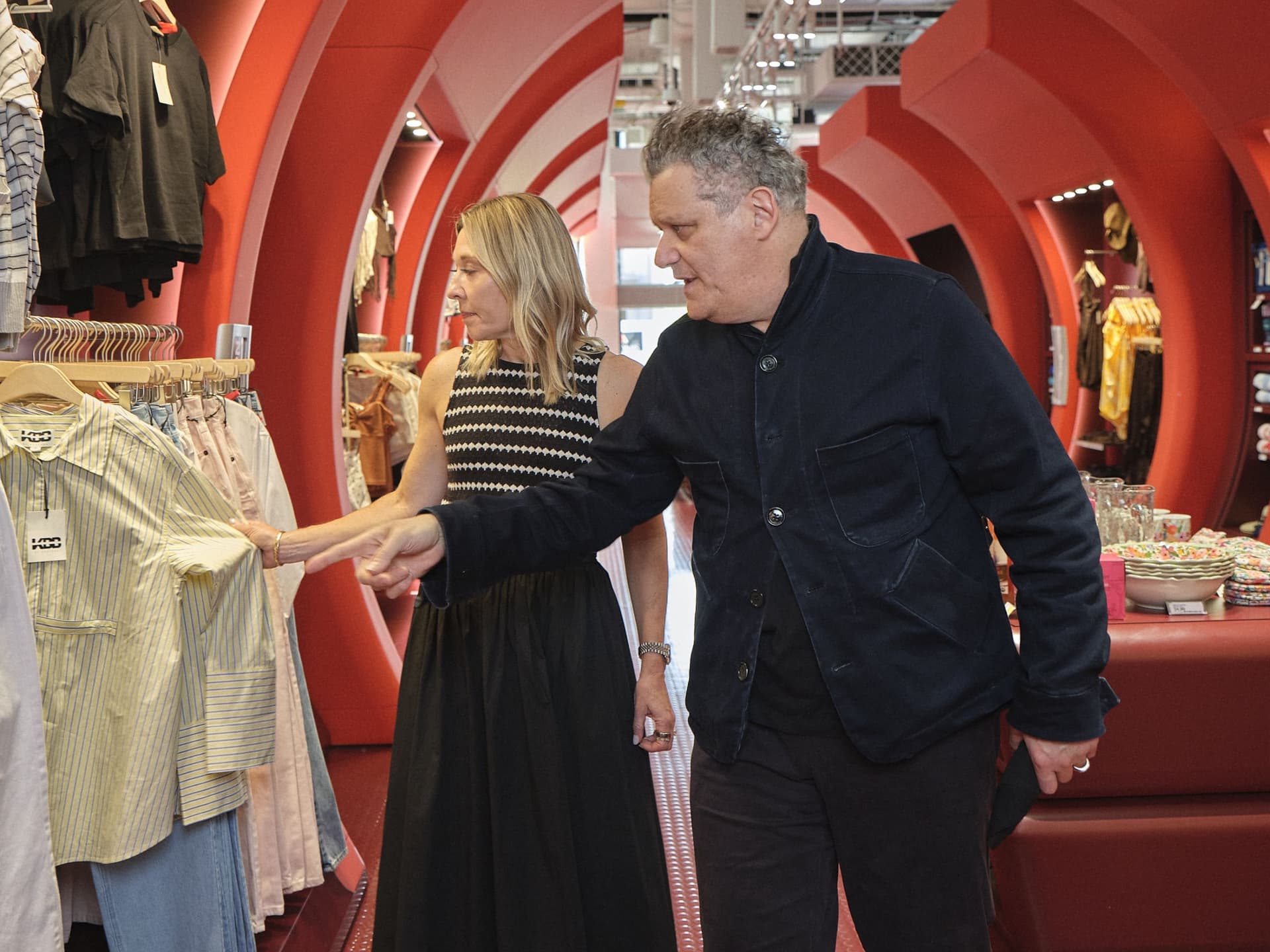
Target said Mizrahi will mentor designers, advise on product design and innovation, bring fresh partnerships and help strengthen the company’s design authority and cultural relevance. He will work alongside Gena Fox, Target’s senior vice president of design, returning to a company that first partnered with him in 2002. Target’s history timeline says that five-year collaboration was one of the most influential in the company’s history, and multiple reports say it ended in 2009.
The move fits into a broader reset under CEO Michael Fiddelke. In March 2026, Target said it planned to lead with style, design and value, increase the amount of newness across its assortment by nearly 50%, refresh store experiences, and invest more in payroll and training. The company also said it would lift capital spending by more than $1 billion in 2026 to about $5 billion total. In other words, Target is treating design as part of execution, not an ornament on top of it.
That is the part Big Lots workers and merchants should notice. In a value chain, the difference between a closeout rack that feels random and a seasonal set that feels intentional can shape whether a shopper keeps browsing or walks out. Better design leadership can make private brands look more coherent, turn seasonal buys into a story, and make treasure-hunt merchandising feel planned instead of accidental, without requiring a higher price tag.
Big Lots has lived the cost of losing that kind of coherence. The company filed voluntary Chapter 11 on Sept. 9, 2024, in the U.S. Bankruptcy Court for the District of Delaware, then announced on Dec. 19, 2024, that it would close all remaining stores after a restructuring deal collapsed. Gordon Brothers later said it completed the purchase of Big Lots and facilitated a going-concern sale that preserved the brand and kept hundreds of stores in operation.
Against that backdrop, Target’s Mizrahi hire reads less like a celebrity return than a reminder of what retailers are really selling. For value chains, the competition is not only on price tags and promotions. It is also on whether the store, the assortment and the display make the customer believe the deal is worth stopping for.
This article was produced by Prism’s automated news system from verified source data, official records, and press releases, then run through automated quality and moderation checks before publishing. The system is built and supervised by the people who set the standards it runs under. Read our full AI policy.
Did this article answer your question?