Target reshuffles merchandising leaders as turnaround priorities sharpen product authority
Target’s latest leadership shuffle is about more than names. It signals tighter control over assortments, faster resets and less tolerance for store-level drift.

Target’s May 7 merchandising shake-up showed how aggressively big retailers are tightening product control. The company shuffled merchandising leadership with a slate of new senior vice presidents as it kept revamping its leadership team around Michael Fiddelke’s turnaround agenda, a move Target said was meant to accelerate growth and strengthen merchandising authority.
Target tied the changes directly to Fiddelke’s push to elevate the guest experience, and Fiddelke said the company was moving quickly to act on priorities that would drive growth. The Minneapolis-based retailer later sharpened that message further, saying it wanted to become more “unapologetically and unmistakably Target,” with renewed attention on categories and owned brands such as apparel and home. In plain retail terms, that means more pressure on who owns the assortment, how fast decisions get made and how closely stores are expected to execute those decisions.

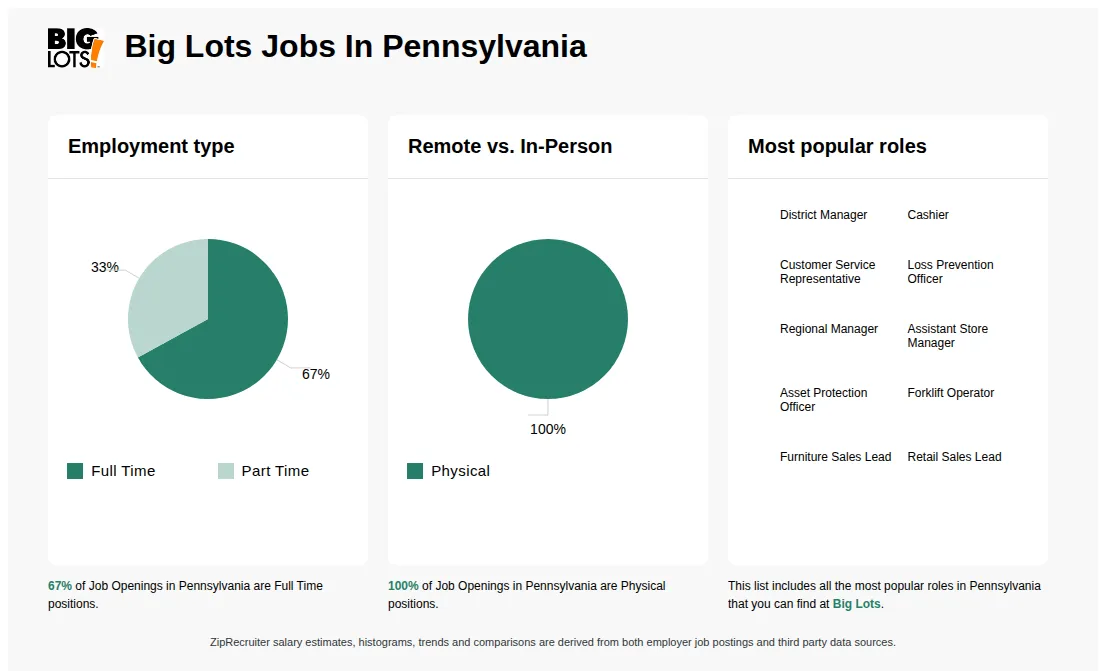
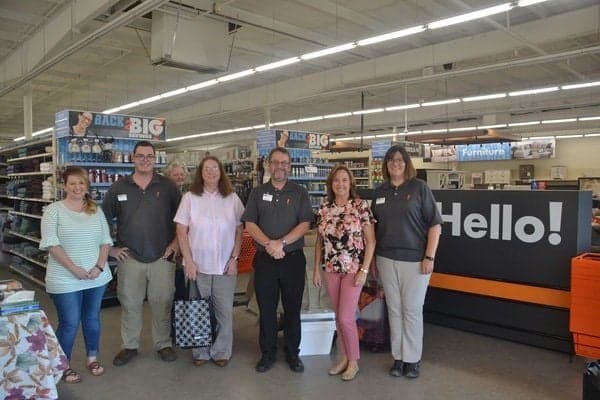
That is the part Big Lots workers should watch. Merchandising structure is not an abstract corporate chart. It determines what gets bought, how inventory flows and how often the floor gets reset. When a chain says it needs stronger product authority, it usually means tighter control over categories, clearer accountability for results and faster reactions when customers shift their spending. For associates, that can show up as more frequent resets, more scrutiny on category performance and less room for inconsistent execution from one store to the next.
Big Lots has lived through versions of that same logic before. In 2012, the company realigned its merchandising organization into three customer-centric categories: food and consumables, furniture and home décor, and seasonal, toys and electronics. It also named three general merchandise managers to run them. The underlying message was the same then as it is now at Target: control the mix, sharpen the roles and make the store easier to steer from the top.
The stakes got higher when Big Lots filed for Chapter 11 in September 2024. Variety Wholesalers later acquired 219 Big Lots stores and up to two distribution centers out of bankruptcy, saying the reopened locations would be remodeled and stocked with closeout deals and new categories including apparel and electronics. On June 5, 2025, 78 more stores reopened, bringing the total reopened to 219. That recovery path makes Target’s shuffle more than a competitor’s housekeeping item. It is another sign that value retail is moving toward stricter merchandising authority, and the people on the sales floor are the ones who feel it first.
Know something we missed? Have a correction or additional information?
Submit a Tip