Wakefern outsources ad production, cuts 79 jobs, weekly circular stays on track
Wakefern shifted ad production outside, cut 79 jobs, and kept its weekly circular running. For store workers, it is a reminder that retail cuts often start in the back office.
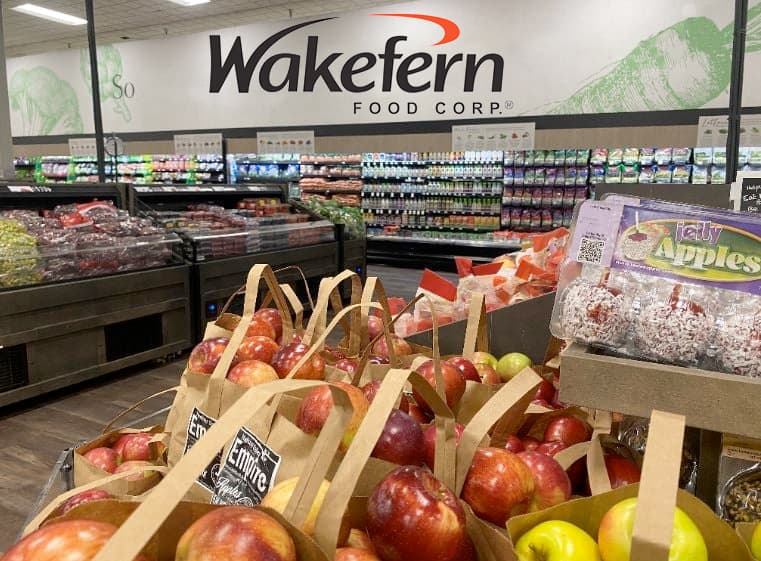
Wakefern’s decision to move advertising and weekly circular production to an outside agency wiped out 79 jobs, showing how quickly a retailer can trim work that shoppers never see while keeping stores operating.
The company said Quad would add 19 roles tied to the work, while Wakefern would add about 54 jobs elsewhere in the reorganization. The shift took effect May 16, and Wakefern said the weekly circular itself would not be interrupted. That is the key detail for workers watching this kind of move: the company did not shut down the promotion engine, it changed who produced it.

For Big Lots employees, the larger lesson is that retail pressure does not stop at the sales floor. Advertising, pricing messages, promotional calendars, product storylines, and store communications are all vulnerable when leadership decides digital and social channels are doing more of the heavy lifting. Once that happens, a chain can keep the weekly message alive while handing more of the execution to a vendor, leaving fewer internal people to shape how offers reach customers.
That kind of restructuring changes day-to-day work in subtle but important ways. Stores may still get the ad copy and seasonal plans, but they can arrive with less internal back-and-forth, tighter deadlines, and more pressure on managers to turn corporate messages into local sales. Floor set timing can shift. Seasonal execution can get compressed. Merchandising and pricing teams can find themselves reacting to decisions made outside the building rather than driving them from within.
The warning signs are usually visible before a layoff becomes a headline. Internal teams start to lose control over print-ad support, promotional production, and content coordination. More work moves to outside agencies. Jobs are eliminated in one part of the organization while a smaller number of roles reappear somewhere else. Wakefern’s move was not an all-or-nothing cut, which makes it a sharper example for retail workers: a company can preserve the customer-facing output and still hollow out the staff that used to produce it.
For workers in merchandising, pricing, store communications, and ad support, the message is plain. When a chain begins externalizing one support function, the next move often comes in another part of the workflow, and the pressure lands on the people left behind to keep the calendar, the signage, and the store ready on time.
Know something we missed? Have a correction or additional information?
Submit a Tip