Walmart investors reject AI worker well-being reporting proposal
Walmart investors turned back a proposal to report on AI's worker impact as the retailer expands automation in scheduling, inventory and pay decisions.
Walmart investors rejected a shareholder proposal that would have forced the company to report on how artificial intelligence affects worker well-being, even as the retailer pushes deeper into automation across the store and supply chain. The vote lands as a clear signal for Big Lots workers too: AI is no longer just a back-room efficiency project, it is moving into the daily tempo of retail work.
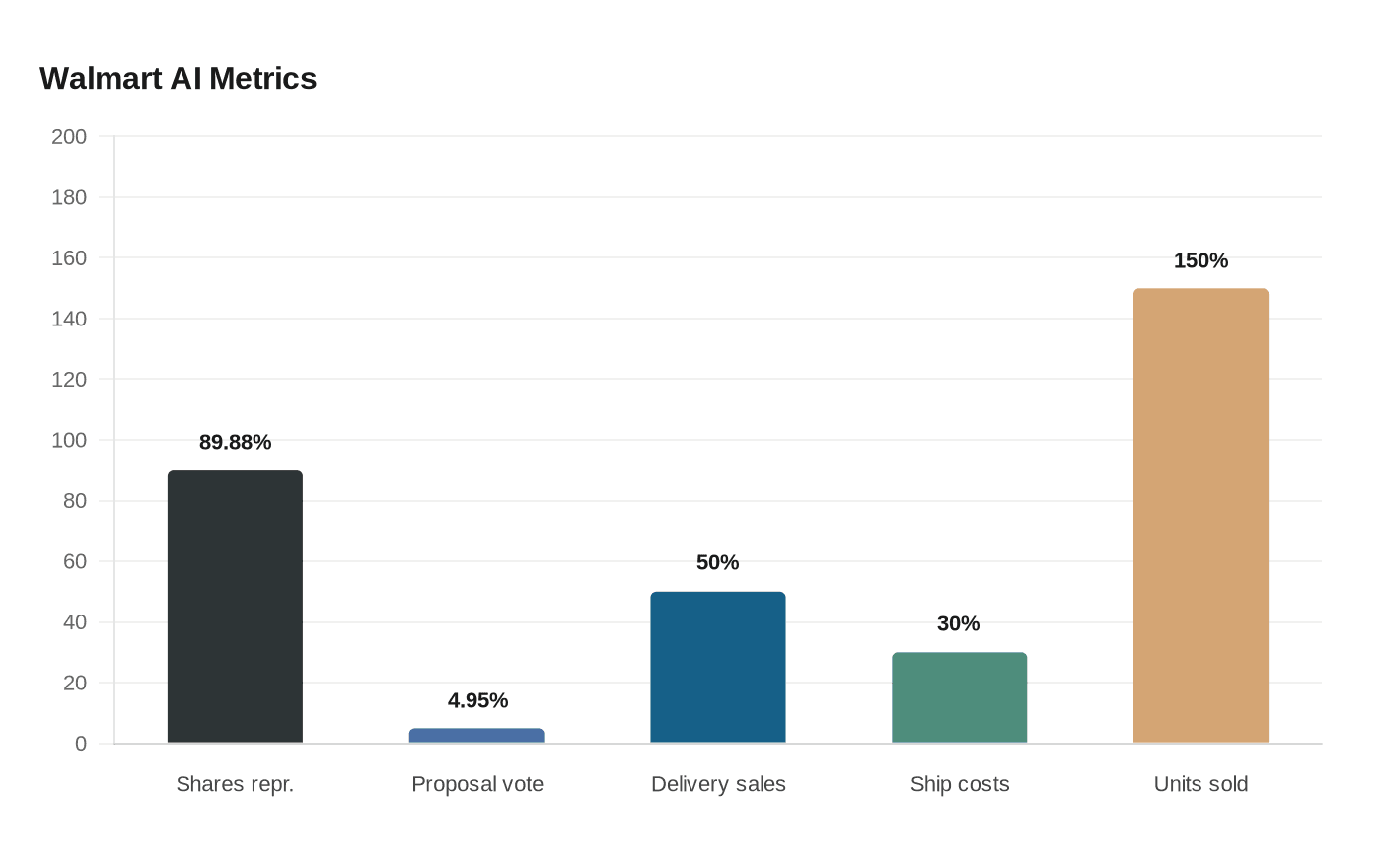
At Walmart’s annual shareholders’ meeting on June 4, held in virtual-only format, about 89.88% of outstanding shares were represented. The proposal, filed by United for Respect, drew about 4.95% of the shares voted. A Walmart associate from Spokane, Washington, Ava Williams, told investors that AI-driven standards were tied to impossible timelines, injuries, burnout and high turnover. Walmart’s frontline training leader, Josh Allen, said the company’s AI philosophy is meant to emphasize responsible use and human judgment.

The company’s own disclosures show how wide the automation push has become. Walmart said more than 60% of its stores now receive freight from automated distribution centers, and more than 50% of its e-commerce fulfillment volume is automated. It said AI-enabled tools are being used for hiring, scheduling, training and task prioritization. The company also has an algorithmic, performance-based system for hourly employee pay increases, which helps explain why labor advocates are pressing for more transparency on how software is shaping pace and accountability on the floor.
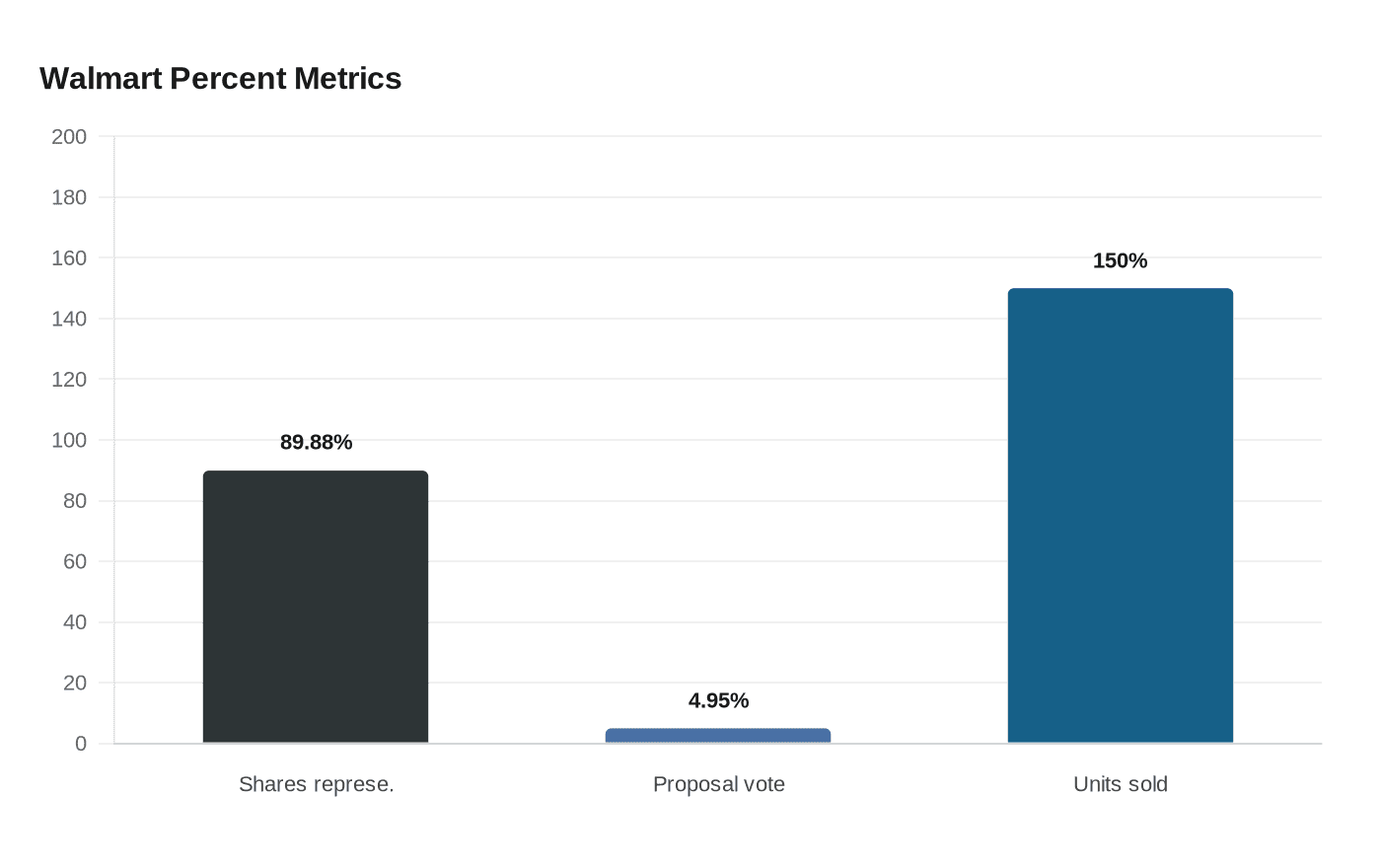
Walmart is also reengineering its supply chain with real-time AI and automation across Costa Rica, Mexico and Canada. Reuters reported that the company is aiming to get deliveries to customers within 30 minutes, while fast-delivery sales rose more than 50% year over year in the first quarter. CFO John David Rainey said shipping costs have been falling in the 30% range for several quarters, and that same-day and next-day units sold from fulfillment centers jumped 150% in May. For Big Lots, that matters because the same tools that shave minutes and costs at a giant chain often become the playbook smaller retailers copy next: tighter scheduling, sharper inventory tracking, more automated task assignment and more pressure to prove productivity. The Walmart vote shows how quickly a technology story becomes a workplace story, and why workers are pushing to see the full cost before the rollout reaches their own aisles.
This article was produced by Prism’s automated news system from verified source data, official records, and press releases, then run through automated quality and moderation checks before publishing. The system is built and supervised by the people who set the standards it runs under. Read our full AI policy.
Did this article answer your question?