Walmart’s AI tools cut planning time, may reshape Big Lots work
Walmart said AI cut shift-planning time from 90 minutes to 30, hinting that Big Lots workers may soon spend less time sorting screens and more time on the floor.
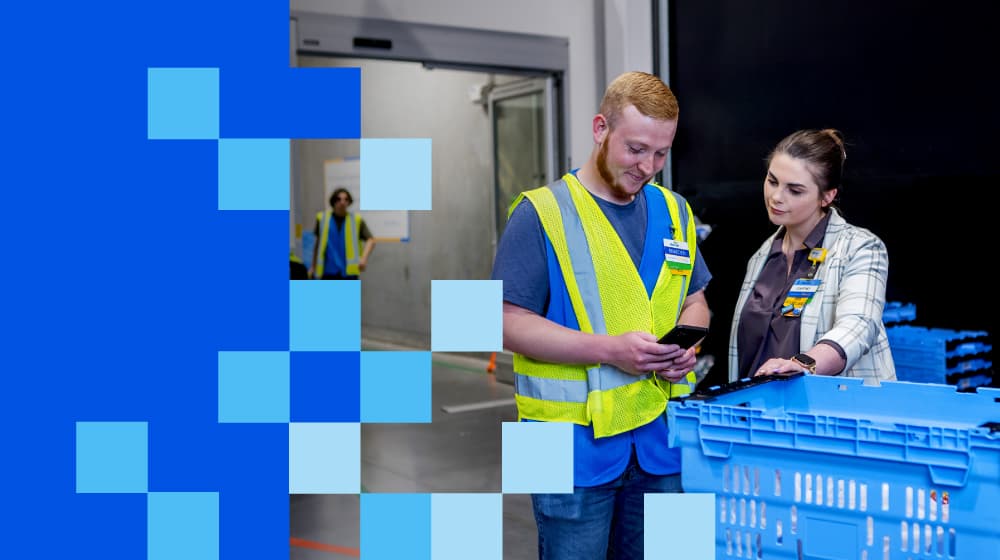
Walmart’s AI rollout offers a concrete picture of how retail work can change without disappearing. One task-management tool cut shift-planning time from 90 minutes to 30, and a real-time translation feature works across 44 languages, showing how software can take over some of the sorting, scheduling and communication that now eats up time on the floor.
The company framed the tools as part of a broader push to make work more efficient, intuitive and rewarding. It paired the AI launch with promises about wages, benefits, upskilling and clearer career pathways for associates, signaling that the technology is being sold as an operational aid rather than a customer-facing gimmick.

That matters for Big Lots because the biggest gain is not just speed, but where the time goes next. If AI can reduce planning time, improve task prioritization and help stores communicate across language barriers, associates could spend more minutes on recovery, customer service and execution. In a discount store environment, where speed and clarity can determine whether a shift feels controlled or chaotic, even small time savings can change the tone of the day.
The catch is implementation. A tool only helps if it is easy to use, trained well and tied to real store problems. If it is confusing or disconnected from the way a store actually runs, it can become just another screen to check. For workers, that means the value of AI will depend less on the label attached to it and more on whether it genuinely reduces friction during a busy shift.
Walmart’s example points to a future retail workflow built on a mix of human judgment and machine assistance. The system handles sorting, translation and recommendations; people handle judgment, empathy and in-store recovery. For Big Lots associates, that balance could reshape the job on the floor, pushing more attention toward merchandising, customer help and cleanup while software takes on the back-end planning that used to consume part of the shift.
The lesson for workers is simple: watch whether new tools actually save time, sharpen task assignments and make the store easier to run. If they do, the job may look different, but not smaller.
This article was produced by Prism’s automated news system from verified source data, official records, and press releases, then run through automated quality and moderation checks before publishing. The system is built and supervised by the people who set the standards it runs under. Read our full AI policy.
Did this article answer your question?