Wholesale inflation jumps in May, squeezing Big Lots pricing and margins
May wholesale inflation jumped 1.1%, and Big Lots may feel it first in tighter buys, sharper markdowns and more pressure on freight-heavy categories.

Wholesale inflation did not stay on a spreadsheet for long. The Bureau of Labor Statistics said the Producer Price Index for final demand rose 1.1 percent in May and 6.5 percent over the past 12 months, a swing that can move from vendor quotes to store shelves fast for a chain like Big Lots.
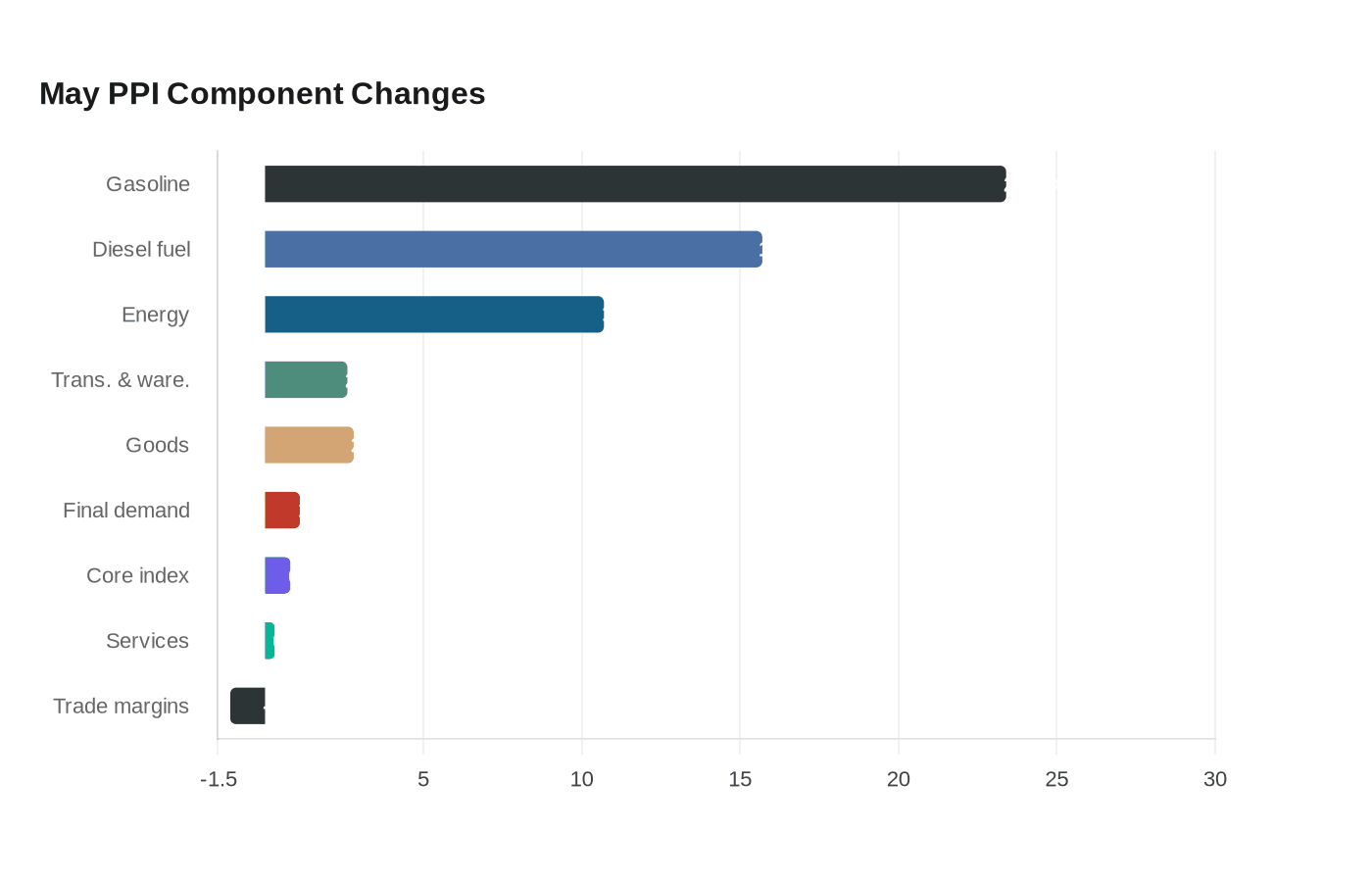
The pressure was broad, but energy did a lot of the heavy lifting. Final demand goods rose 2.8 percent in May, while services increased 0.3 percent. Within the report, final demand energy jumped 10.7 percent, gasoline surged 23.4 percent, and diesel fuel climbed 15.7 percent. For a discount retailer that depends on shipped-in merchandise, those moves can show up later in landed costs, freight bills, and the price room merchants have left when they decide what to tag, promote or clear out.

That matters because Big Lots has little room for slippage. In its 2024 annual report, the company said it operated 1,392 stores and an e-commerce platform as of February 3, 2024. Big Lots filed for chapter 11 protection in 2024, and filings with the U.S. Securities and Exchange Commission show the case remained active in 2025. In that environment, even small changes in wholesale cost can force faster calls on what stays in the assortment and what gets cut.
The most immediate pressure tends to land in the boring but decisive parts of retail operations. Merchants have to decide whether to chase private label, closeout buys, or smaller pack sizes that can hold a sharp shelf price without blowing up margin. Inventory planners have to judge whether a deal is actually a deal once freight, warehousing and vendor terms are included. Store teams then feel the results in tighter price discipline, fewer promotional stumbles and more attention to which items can still earn a feature endcap or a spot on the table.
The details in the May report point to that kind of squeeze. The core index excluding foods, energy and trade services rose 0.8 percent, the biggest monthly increase since March 2022, and 5.1 percent over 12 months, the largest annual gain since October 2022. Final demand transportation and warehousing services rose 2.6 percent, while trade service margins fell 1.1 percent. Because the BLS trade indexes measure margins received by wholesalers and retailers, that drop is especially relevant for Big Lots, where supplier partnerships and new product sourcing remain central to how the chain keeps shelves full.
Big Lots describes itself as a home discount retailer on its current website, and its vendor-facing materials show it is still recruiting suppliers. That makes wholesale inflation more than a macro headline. Over the next 60 to 90 days, it can reshape what reaches the floor, how often prices move, and how aggressively store teams have to defend margin while still looking like the cheapest option in the aisle.
This article was produced by Prism’s automated news system from verified source data, official records, and press releases, then run through automated quality and moderation checks before publishing. The system is built and supervised by the people who set the standards it runs under. Read our full AI policy.
Did this article answer your question?