Costco optical staff follow licensed career path with internal exam tracking
Costco’s optical desk is built like a credential pipeline: exam prep, license tracking, and a defined path from trainee to certified optician.
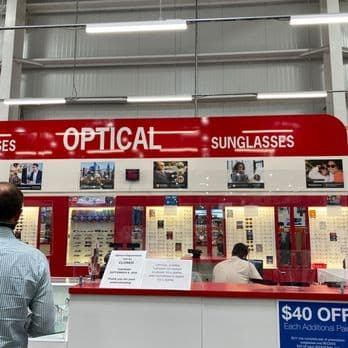
Costco’s optical department looks less like a side aisle of retail and more like a structured career track. The company’s OptiEd system asks opticians to enter the month and year they expect to take spectacle and contact lens certification exams, along with warehouse number, email address, and, once they are certified or licensed, their ABO, NCLE, and state license details. That is not how a generic sales role is organized. It is how a specialty profession keeps track of training, credentials, and advancement.
OptiEd is the tell
The clearest signal is simple: OptiEd says it is for Costco opticians only. It also directs employees who do not have an employee ID entry to contact opticaloperations@costco.com, which underscores that this is an internal pipeline, not a public learning site. The platform includes ABO review modules and NCLE review modules, so the system is doing more than cataloging names and numbers. It is helping workers prepare for the exams that mark real progress inside the department.
That matters because exam timing is built into the process. Costco is not waiting for workers to independently figure out how to move from helper to credentialed professional. It is collecting the expected month and year for certification exams, which means the company is tracking where each person sits in the training cycle and where they are headed next. For an employee, that creates a map. For a manager, it creates a staffing model built around skill development rather than pure headcount.
Optical is a retail job, but not only a retail job
Costco’s own optical landing page describes the department as staffed by “highly skilled opticians,” and the company’s job descriptions for optical work go beyond the usual warehouse tasks. They include helping members choose and order eyeglasses, processing orders, fitting eyeglasses, and dispensing eyeglasses and contacts. That combination matters because it places the role at the intersection of customer service, technical accuracy, and health-related responsibility.
In practice, that makes optical different from the front end, stocking, or forklift work. Those jobs are essential to the warehouse, but optical comes with a credentialed layer that can change how someone moves through the company. A worker who learns optical is not just learning a department. They are building a skill set that has to stand up to exams, license tracking, and the expectations that come with handling eyewear and contact lenses for members.
Industry coverage from Eyes On Eyecare adds another useful piece of context: Costco Optical professionals describe the store as independent in how it practices and able to provide professional, unbiased opinions. That helps explain why optical sits apart from the broader warehouse floor. It is a service line inside a mass retailer, but it behaves like a regulated specialty.
Why this is an internal mobility story
For Costco workers, the important point is that optical offers a visible lane upward without leaving the company. The OptiEd process shows a progression from exam prep to certification to license tracking, which is exactly the kind of structure that makes internal mobility real instead of rhetorical. A worker does not have to imagine advancement in the abstract. The system records the steps.

That kind of structure can be durable because it rewards both competence and consistency. A certified optician is not interchangeable with a general merchandiser. The department needs people who can handle member-facing service, technical fitting, and compliance at the same time, and that combination is harder to automate or casually replace than a pure transaction role. For employees who want a path that leads to more responsibility, optical looks like one of the clearest examples of how Costco turns training into retention.
This also fits the company’s broader culture. Costco says on its careers site that it has been a leader in the warehouse club and retail industry for more than four decades, and that its operational practices and career-growth opportunities are meant to attract, develop, and retain employees. OptiEd gives that claim a concrete shape. It is not just about hiring someone into a job. It is about keeping track of where they are in a professional pipeline and what they need next.
Costco Canada shows the same pattern in another regulated lane
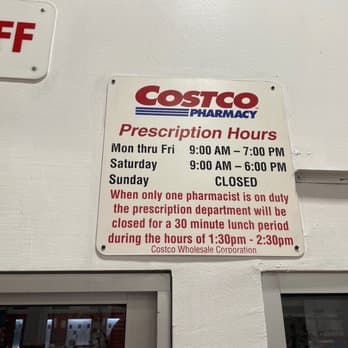
The same logic appears in Canada, where Costco’s jobs page says it is hiring pharmacists and registered technicians. A registered pharmacy technician posting requires either completed provincial pharmacy technician certification or a pharmacy technician course plus the Pharmacy Examination Board of Canada qualifying exam. That is a parallel example of Costco treating specialized work inside the warehouse-club model as a credentialed profession.
The common thread is not simply that these are white-collar roles. It is that Costco uses its scale to host jobs that require licensing, exam readiness, and documented qualifications. Whether the position is optical or pharmacy, the company is signaling that some of its most stable opportunities are the ones that depend on formal skill-building rather than purely on time spent on the floor.
For workers across warehouses, that should change how optical is viewed. It is not just a specialty department to transfer into when a posting opens up. It is a career lane with its own training cadence, its own exam calendar, and its own paper trail. That makes it one of the few places in a warehouse where advancement is tied as much to professional development as to seniority.
What it means for the warehouse floor
For front-end assistants, stockers, forklift operators, meat and bakery employees, and warehouse managers, the lesson is straightforward: Costco’s internal mobility is strongest when the role is specialized enough to require formal proof of skill. Optical is a good example of that model at work. The department depends on people who can move between service and compliance, and Costco’s own systems make that progression visible.
That is why optical can look like a steadier long-term bet than a generic retail post. The work is narrower in some ways, but it is also deeper, more credentialed, and more durable. At Costco, that kind of lane is not an accident. It is built into the system.
This article was produced by Prism’s automated news system from verified source data, official records, and press releases, then run through automated quality and moderation checks before publishing. The system is built and supervised by the people who set the standards it runs under. Read our full AI policy.
Did this article answer your question?