Costco warns job seekers about fake offer emails and hiring scams
Costco says fake offer emails may ask for several hundred dollars, but real jobs start on its official careers site, not with unsolicited messages.
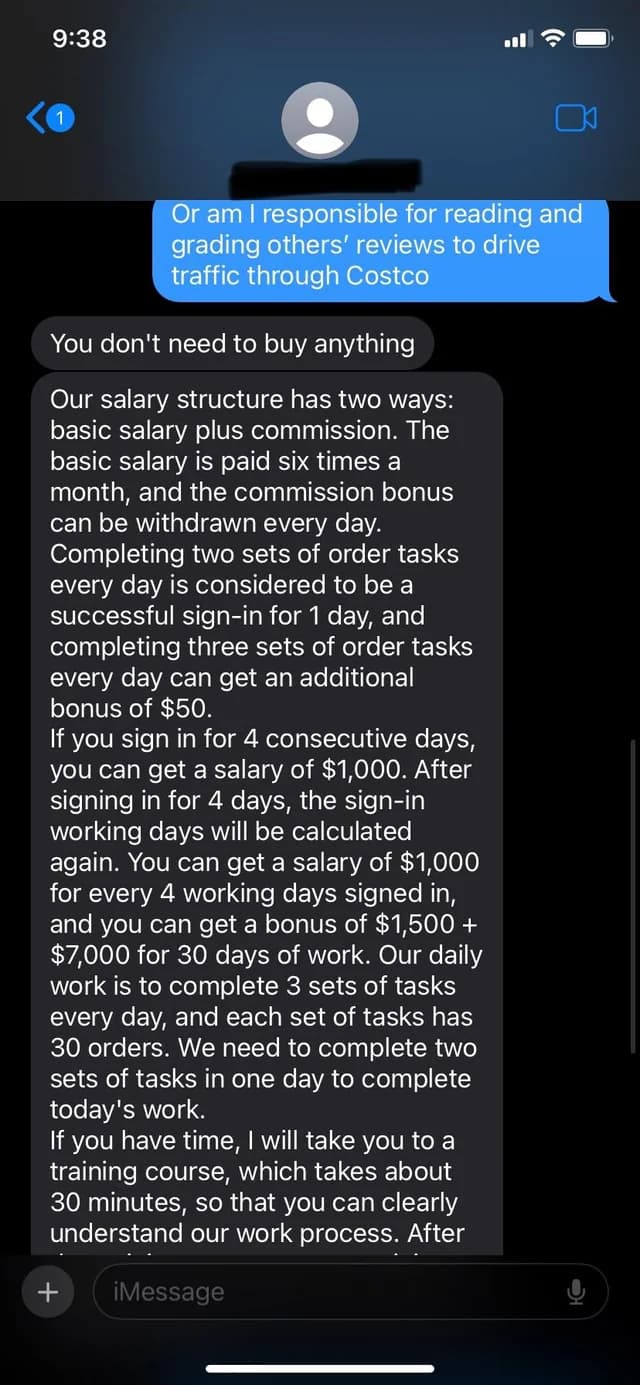
Some fake Costco hiring emails arrive with the subject line “Provisional Job Offer.” For warehouse crews, front-end teams, and managers who get asked about openings all the time, the safest hiring conversation starts on Costco’s own careers pages, not in a surprise inbox message. Fraudsters have been sending authentic-looking emails that mimic Human Resources, use Costco branding, and ask applicants to pay a processing fee before they are hired.
How the scam is designed to look real
An email campaign tells people the company is offering, or may offer, them a job. Some of the messages use the subject line “Provisional Job Offer,” which is exactly the kind of phrase that can catch the eye of a job seeker already hoping for a callback. The emails may appear to come from an executive or from Human Resources, and the attachments can include company information sheets and questionnaires that look official at first glance.
The fee request is the giveaway. The scam emails may ask for a processing fee of several hundred dollars, a demand that should stop any candidate cold. A legitimate employer does not ask an applicant to pay to be considered for a role, and a supposed offer tied to an upfront payment is not part of Costco’s hiring process.
What a real Costco hiring path looks like
Costco routes applicants through its careers site, not through random outreach in email, text, or messaging apps. Its official navigation includes Careers Home, Why Costco, Culture and Values, Resources for Applying, Costco Careers FAQs, and Search Jobs, which is where the company wants applicants to start when they are looking for open roles. The jobs portal is the official search-jobs page on that site, and the careers login page links directly to the warning about fictitious job offer emails and to E-Verify information.
Costco does not extend job offers via email, message app, or text to people with whom it has had no prior contact. If you did not apply through Costco’s system and then hear back through a verified hiring path, the safest assumption is that the message is not legitimate.
The clues that should make you pause
The scam pattern has several red flags that line up with broader hiring fraud. Unsolicited contact is the first one, especially when the message claims a job is waiting before you have gone through the normal hiring steps. Branded attachments, questionnaires, and a sender who seems to speak for an executive or for Human Resources can make the message feel more credible, but those details are exactly what scammers use to lower your guard.
A request for money should end the conversation immediately. The fake messages may ask for a processing fee of several hundred dollars, and that is not a step in the company’s real hiring process. Candidates should also be skeptical of any message that pushes them to move fast, hand over personal information, or respond outside the official careers site.
Why this hits Costco workers too
Costco has been in the warehouse club and retail industry for more than four decades, which helps explain why its brand is such a useful target for scammers. A trusted name carries weight with applicants, especially in a labor market where a warehouse job, a front-end role, or a department position can be a major step up. These fake emails are not just a problem for applicants, but for the people already on the floor who are often the first ones asked whether a job message is real.
The company’s formal hiring setup also gives current employees a practical script when friends or family ask for advice: send them to the official careers portal, not to a forwarded email or a text thread. Hiring often feeds directly into daily operations, from front-end staffing to stocking, forklift work, meat, bakery, and optical. Every fraudulent application or fake offer wastes time that should be going toward filling real shifts.
The compliance details that signal a legitimate process
Costco participates in E-Verify nationwide. Its hiring process includes formal identity and work-authorization checks rather than off-the-books hiring. The company also provides separate notices for Utah applicants and San Francisco applicants, along with a San Francisco Fair Chance Ordinance notice, which shows that real Costco postings can carry location-specific disclosures depending on where the job is based.
A real role posted through Costco’s system can include extra information depending on the location, while a fake offer email tries to skip all of that and push the candidate straight toward a payment request or a personal-data handoff.
What to do before you give out anything
Before sharing a Social Security number, banking details, or even a resume with full personal information, check whether the job appears in Costco’s official search-jobs pages. If the offer arrived through email, a message app, or text from someone you have never dealt with through Costco’s hiring system, treat it as suspect. If the message asks for money, that is the strongest warning sign of all.
The official careers tools are available in English and Español, including the Puerto Rico option on the careers portal.
This article was produced by Prism’s automated news system from verified source data, official records, and press releases, then run through automated quality and moderation checks before publishing. The system is built and supervised by the people who set the standards it runs under. Read our full AI policy.
Did this article answer your question?