Costco’s low-price discipline keeps margins tight and members loyal
Costco’s shelf prices stay low because leadership treats every penny like strategy. That discipline shapes markups, membership fees, and the $1.50 hot dog.
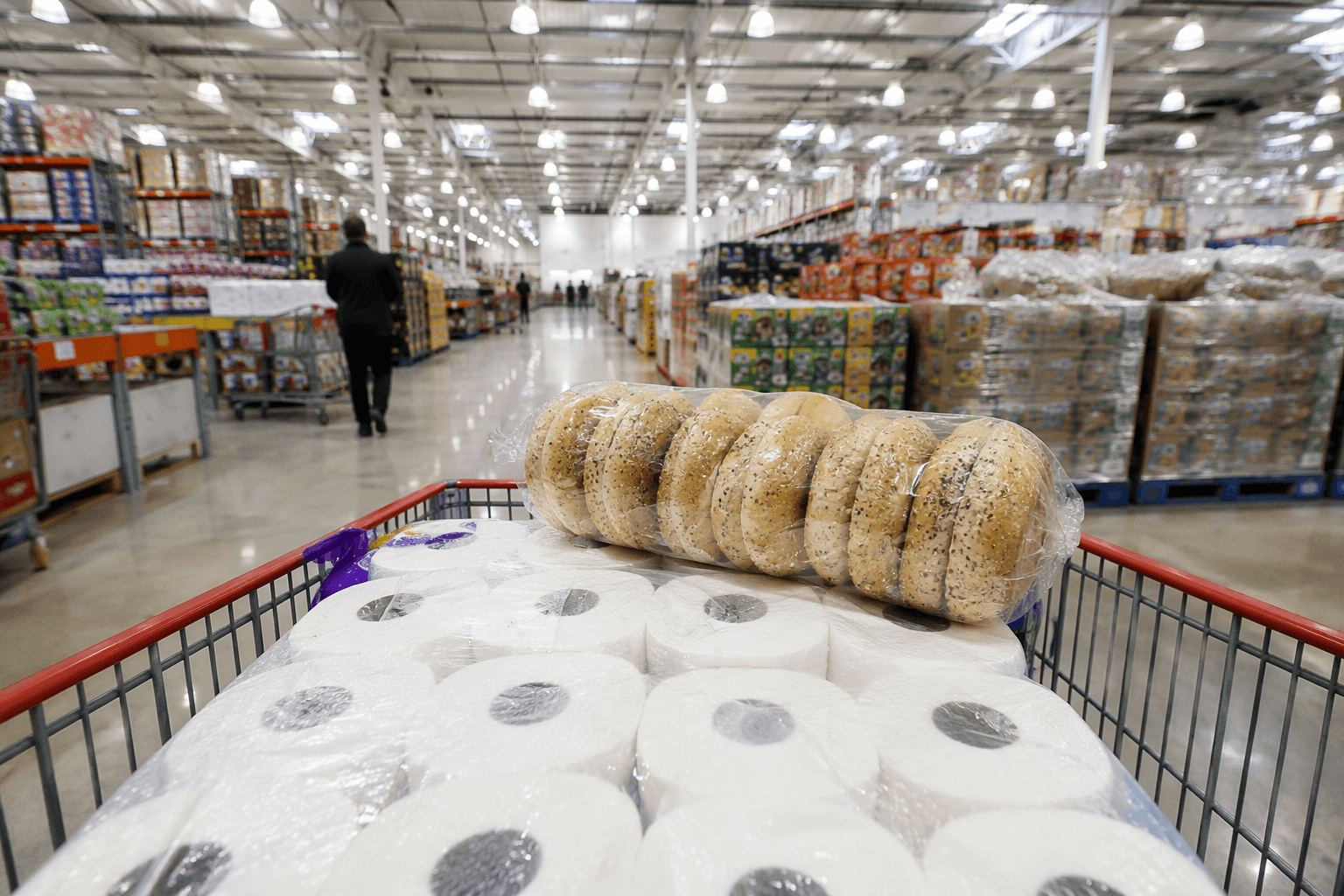
At Costco, a 3-cent price increase is not a rounding error. Jim Sinegal treated it as a strategic threat, and that instinct still defines the company’s warehouse culture, from the way items are marked to the way members are asked to trust the deal in front of them. For workers, the message is blunt: low prices are not a slogan, they are the operating logic that keeps the whole machine moving.
How Costco turned low prices into a working rule
Costco was founded in Seattle in 1983 by James Sinegal and Jeffrey H. Brotman, and Sinegal’s imprint on the business has outlasted his time as chief executive. He ran the company until 2012, when he moved to the board and Craig Jelinek took over, but the pricing discipline Sinegal enforced still hangs over the brand.
During his tenure, branded items were capped at no more than 14% markup and private-label items at no more than 15%. That is the opposite of a retail model built around squeezing every possible cent out of each SKU. Eric Ries has pointed to Sinegal’s refusal to raise prices by even 3 cents across the store as a sign that Costco viewed high margins as a weakness, not a victory.
That logic is close to the way Jeff Bezos has long talked about price as a competitive weapon. At Costco, the comparison matters less as a leadership cameo than as a clue to how the business thinks: low prices are a moat, and pushing them higher can weaken the position over time.
The hot dog is not a gimmick, it is a promise
Few symbols show Costco’s discipline better than the $1.50 hot dog-and-soda combo. It has stayed at that price since 1984, which makes it one of the clearest examples of how the company protects a small promise because it knows members notice when even tiny things change.
The warning Sinegal gave Craig Jelinek became part of Costco lore: “If you raise the [price of the] effing hot dog, I will kill you.” That line captures the culture around the warehouse floor better than a mission statement ever could. It tells employees that price consistency is not just a finance question, it is part of the member relationship.
For front-end assistants, stockers, bakery and meat teams, optical staff, forklift operators, and managers, that means Costco’s brand lives in details that can look minor from the outside. A stable hot dog price, a familiar shelf tag, and a believable bargain all reinforce the same message: what members see today should match what they saw yesterday.
Why membership fees, not product margins, keep the model alive
Costco’s real financial logic is not built on product markups alone. The company relies heavily on membership fees, which lets it hold merchandise prices down while still protecting the business. That is why renewal rates matter so much in Costco’s world: one figure often cited for the company is a 93% annual renewal rate, a level of loyalty that helps explain why the chain can keep shelf prices so tight.
That model also explains why Costco can change membership economics without abandoning its low-price stance on goods. In 2024, the company announced its first membership-fee increase in seven years, raising Gold Star, business and business add-on memberships in the United States and Canada from $60 to $65. The increase says less about a shift away from value than about how Costco prefers to adjust the equation: keep the product promise intact, then tune the membership side when the numbers require it.
The scale behind that approach is bigger than one warehouse or one country. Costco now runs warehouse club operations in eight countries, which makes consistency even more important. When the company asks members to pay a little more for access, it is still protecting the expectation that the value inside the warehouse will remain unusually strong.
What low-price discipline means on the warehouse floor
This pricing philosophy reaches past finance and into daily warehouse operations. Tight markup rules leave little room for sloppy pricing, drifting signs, or merchandising that suggests the company is testing how much members will tolerate. A warehouse that promises discipline on price has to show discipline in execution, because the member experience is built on believing the shelf tag.
That is where the workplace culture becomes visible. Managers have to protect margin without turning the store into a high-pressure, high-surprise operation. Teams on the floor are expected to keep product movement, pricing, and presentation clean enough that the value story feels real, not staged.
It also changes how employees should read Costco’s reputation from the inside. When the company protects a hot dog price for decades and caps markups so tightly that a few cents can matter, it signals that trust is not abstract. It is built item by item, sign by sign, warehouse by warehouse.
What Costco workers should take from the model
The clearest lesson is that Costco’s low-price obsession is not separate from the work. It shapes how leadership thinks about pricing, how members judge the warehouse, and how managers are expected to protect the brand on a busy floor. The company can afford to raise membership fees from time to time, but it does so while keeping the product promise stable because that is what members have been trained to expect.
For employees, that means the real standard is not simply selling more. It is preserving the impression that Costco is still the place where leadership would rather defend a $1.50 hot dog than squeeze a few more cents from a shopper. That is the operating logic behind the company’s loyalty, and it is the reason the floor still runs on trust as much as traffic.
This article was produced by Prism’s automated news system from verified source data, official records, and press releases, then run through automated quality and moderation checks before publishing. The system is built and supervised by the people who set the standards it runs under. Read our full AI policy.
Did this article answer your question?