AI is reshaping Dollar General’s store openings, remodels and closures
AI is pushing Dollar General site decisions faster, which could mean new stores in some counties and quicker closures or remodels in weaker locations.
AI is starting to shape which Dollar General sites get built, remodeled or cut back, and that can change where store teams work next. Colliers said in its U.S. Retail Research Report for spring 2026, posted May 13, that AI is redefining retail real estate for landlords, developers and retailers, with a focus on location, investment and redevelopment rather than just marketing or e-commerce.
For Dollar General workers, that matters because every real estate decision filters down to the store level. A stronger site model can decide whether a store gets opened in a rural county, whether a remodel happens sooner, whether a lease gets renewed and whether a weak-performing location is repurposed. If AI tools help the company and its landlords spot population shifts, traffic patterns, competitor clusters and income trends faster, the pace of site selection could accelerate.
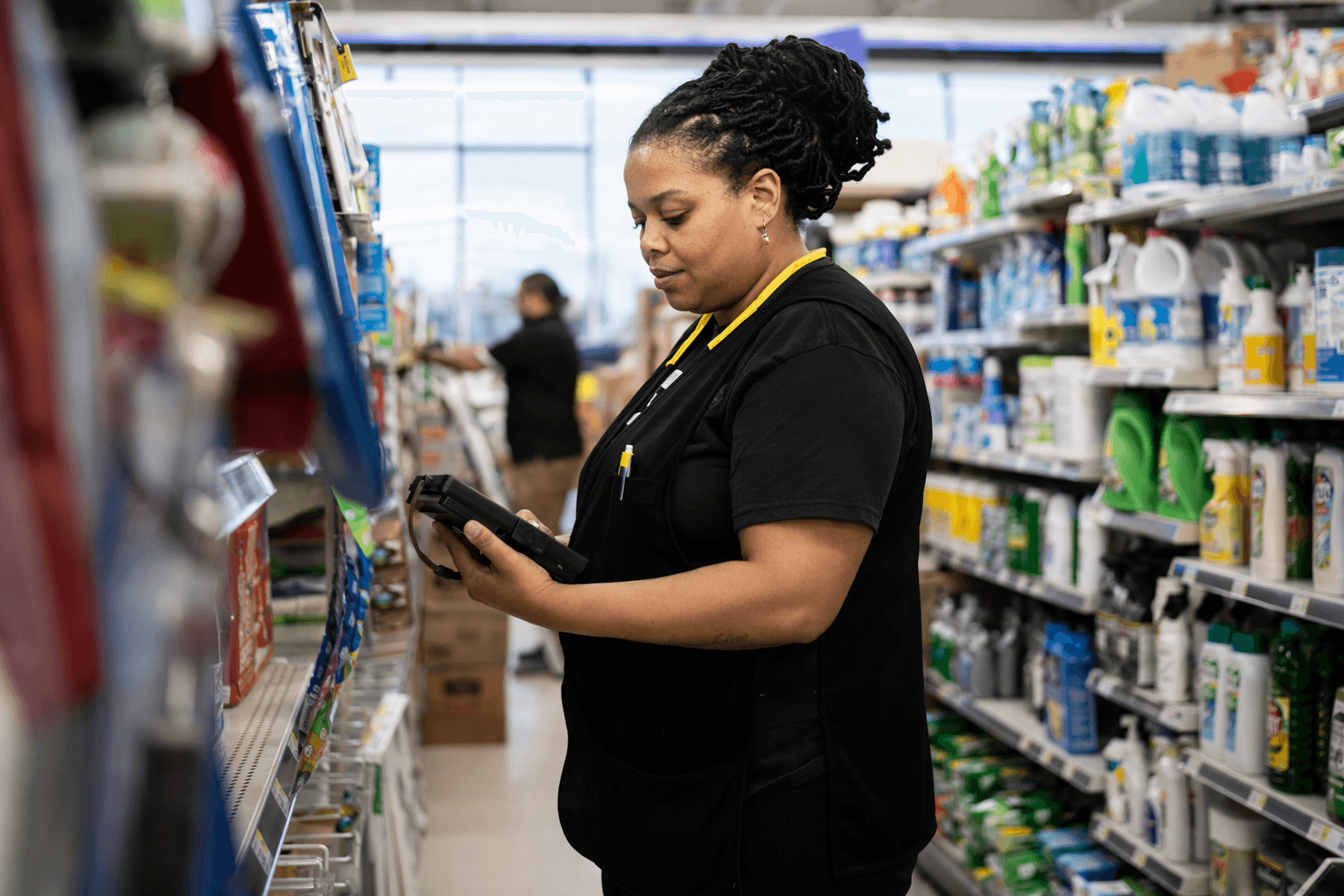
That could mean more openings in some trade areas and faster pruning in others. A store in a growing corridor may get more attention for expansion or a remodel, while another in a softer market may face a shorter runway if the data points away from renewal. For associates and district managers, that changes the practical questions tied to everyday work: whether a transfer opportunity exists nearby, whether a commute gets longer or shorter, and whether a location stays in the queue for capital improvements.
The remodel side is just as important. The report points to AI as a way to steer investment toward stores with stronger long-term traffic and lower cannibalization risk. In Dollar General terms, that means remodel budgets may be prioritized less by broad corporate timing and more by which stores appear most likely to hold traffic and justify the spend. Stores in less favorable locations could see capital move away faster, while better-positioned stores could move up the list for updates.
That shift turns retail real estate into a data conversation, not just a broker-and-lease conversation. For Dollar General employees, the consequences are concrete: more stores in some markets, faster changes in others, and a wider gap between stores that are viewed as long-term bets and those that are not. As AI sharpens location decisions, the ripple effects will show up in staffing demand, transfer patterns and the speed at which Dollar General expands, remodels or exits a site.
Know something we missed? Have a correction or additional information?
Submit a Tip