Dollar General stores face labor cost pressure as wages rise 3.4% annually
Dollar General’s labor bill is still climbing, and the first pressure points usually show up in hours, overtime and open shifts before pay rates do.
The first place Dollar General workers usually feel rising labor costs is not the annual report. It is the weekly schedule, the overtime cap, and the scramble to cover a shift when a store is already thinly staffed.
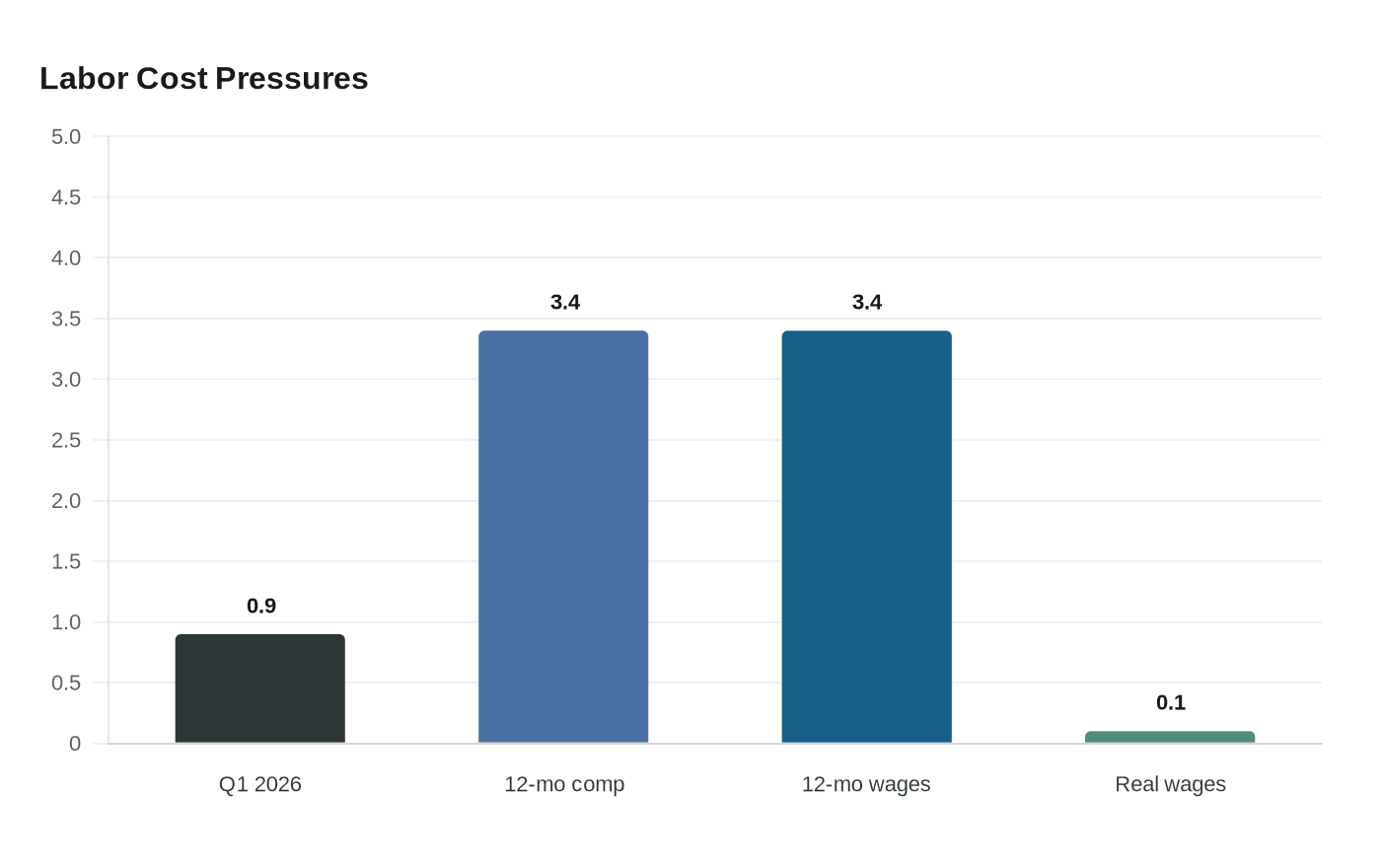
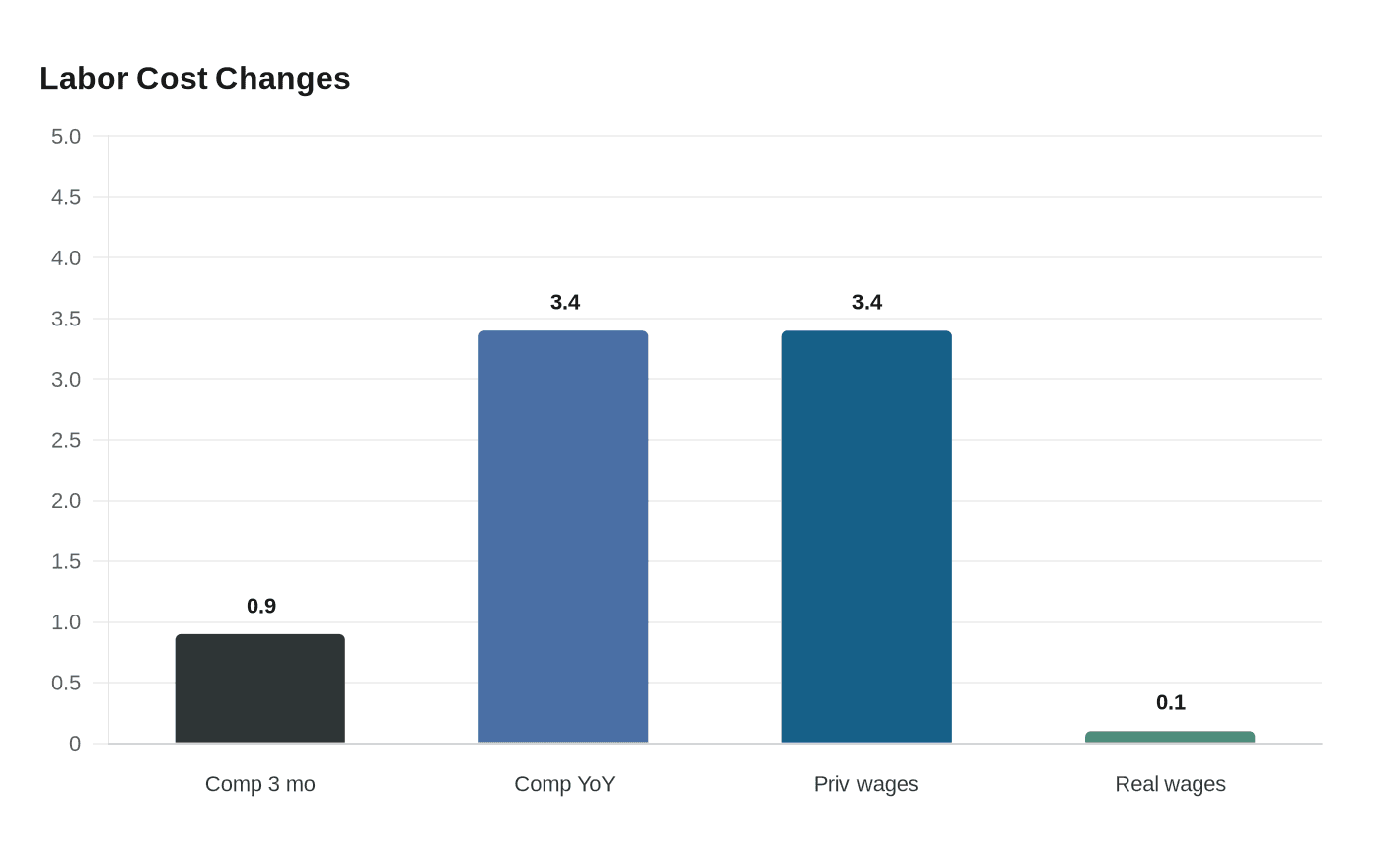
The Bureau of Labor Statistics said civilian compensation costs rose 0.9% in the three months ended March 2026 and 3.4% over the year. Private-industry wages and salaries also rose 3.4% over 12 months, while inflation-adjusted wages and salaries increased just 0.1%. The Employment Cost Index, released April 30, measures the hourly labor cost to employers using a fixed basket of labor, which makes it a useful read on cost pressure rather than a one-month headline.
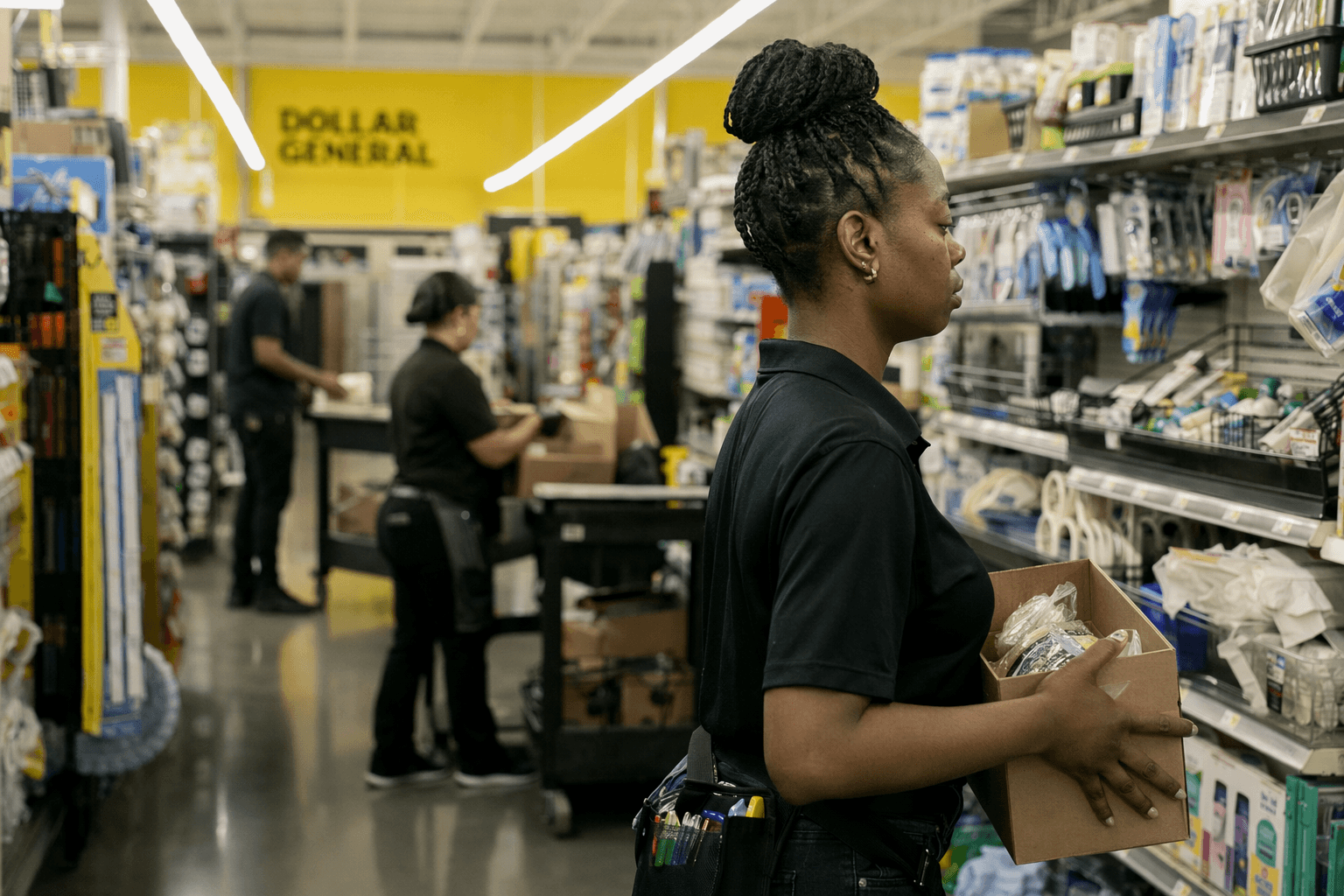
For Dollar General associates and district managers, that usually means one thing: labor becomes a budget line leaders watch more closely. When wages and benefits rise across the private sector, managers often try to protect margins by trimming labor hours, tightening overtime, slowing backfills for open jobs, or pushing harder on productivity. The effect can show up as fewer scheduled hours per store, a slower response to staffing gaps, and less flexibility when traffic spikes.
Dollar General’s own filings show that labor is already part of the company’s margin squeeze. In the fiscal first quarter ended May 2, 2025, SG&A rose to 25.4% of net sales from 24.7% a year earlier. The company said the biggest percentage-of-sales pressures included retail labor, incentive compensation and repairs and maintenance. In its 2025 annual report, Dollar General said many entry-level store employees are paid at rates tied to applicable state minimum wage laws, which means state wage hikes can flow straight into the company’s labor bill.
That matters at scale. Dollar General reported 20,594 stores as of January 31, 2025, and said it planned to permanently close 141 stores in the first quarter of fiscal 2025, including 96 Dollar General locations and 45 pOpshelf stores. Even as the company posted first-quarter 2025 net sales of $10.4 billion, up 5.3%, and same-store sales growth of 2.4%, the labor side of the business remained under pressure. More sales do not automatically loosen staffing rules when compensation costs are rising at the same time.
For workers, the practical signal to watch is not just whether pay rates move. It is whether hours start getting squeezed, overtime approvals get tougher, or open positions sit unfilled longer than usual. In a chain as large as Dollar General, the labor-cost response usually lands first on the schedule, and only later in the paycheck.
Know something we missed? Have a correction or additional information?
Submit a Tip