Backlash grows over Dollar General’s role in small-town retail gaps
A viral attack on Dollar General hit a nerve in towns where the chain is the nearest food stop, even as the company plans more openings and 96 store closures.
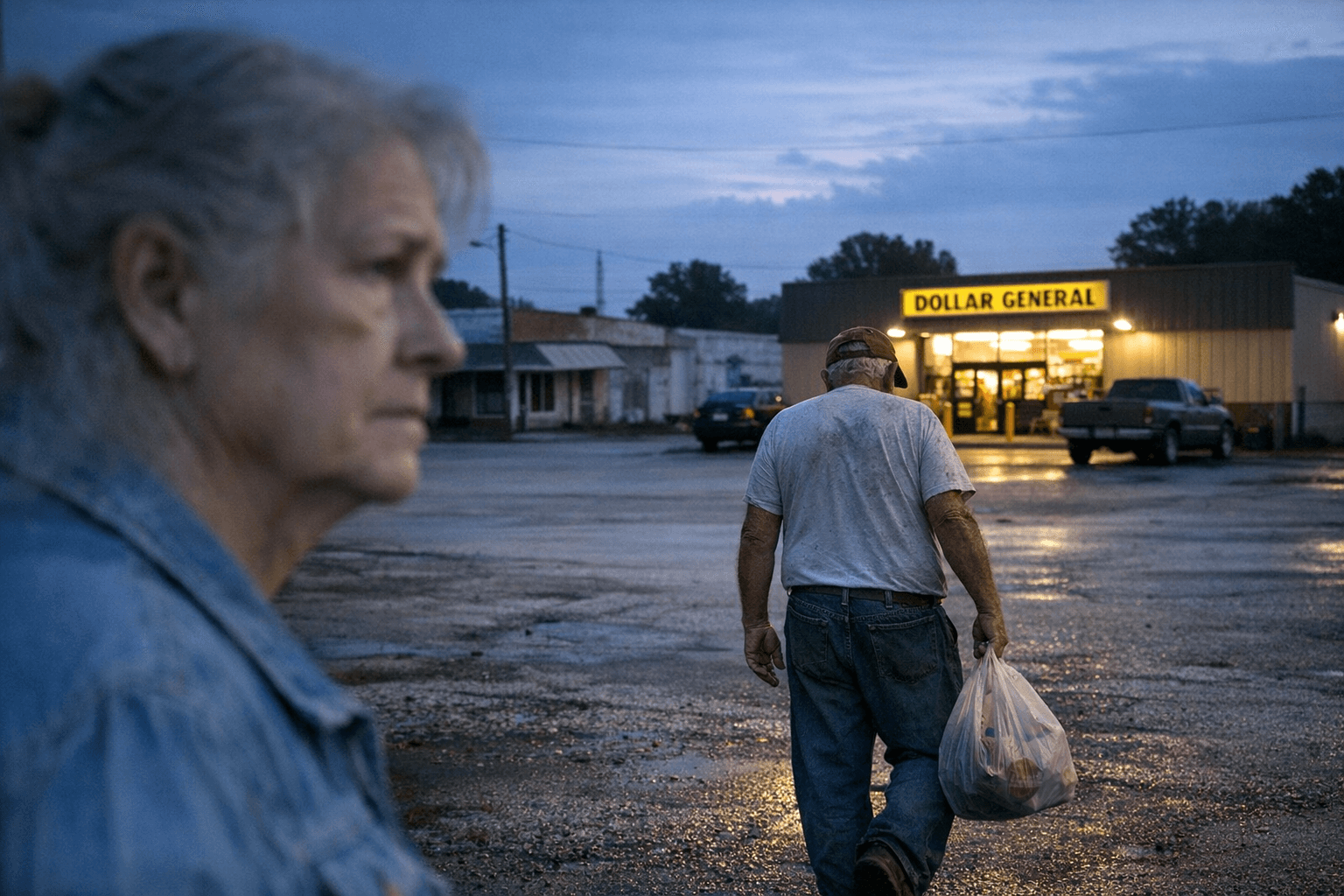
A viral post calling Dollar General parasites struck a nerve because, in many rural towns, the chain is not an abstraction. It is the closest place to buy basics when the nearest full-service grocery is miles away, and that reality has turned a social-media jab into a fight over daily life, not just corporate image.
Dollar General says it operates more than 20,000 stores in 48 states, and its 2025 Serving Others report put the total at more than 20,800 stores across 48 U.S. states and five cities in Mexico. The company, which calls itself “America’s neighborhood general store,” reported $40.6 billion in fiscal 2024 net sales and said it would close 96 Dollar General stores and 45 pOpshelf stores after a portfolio review, while still planning additional openings.
The backlash taps into a much bigger food-access problem. The USDA’s rural low-access framework uses a 10-mile threshold for areas with limited supermarket access, which helps explain why a small store with a narrow selection can matter so much in remote places. In rural Mississippi, researchers have said Dollar General outlets are often the nearest source of food, even though the stores typically do not sell fresh produce and usually stock only limited healthy options.
That tension is why the debate keeps resurfacing in places like Cairo, Illinois, where a new grocery store struggled soon after opening, showing that building retail in an underserved area does not guarantee long-term survival. Brookings has also pushed back on the idea that rural America is one uniform landscape of decline, arguing instead that it is diverse and shaped by different local economies. In some places, Brookings has compared the dependence on one powerful chain to a modern form of company-town life, where a single retailer can dominate daily commerce.
The broader backdrop matters too. The Federal Trade Commission’s 2024 grocery supply-chain report found that consumers faced shortages and major price hikes during the pandemic, conditions that made low-price chains more important to many households. That helps explain why Dollar General can be both a target of resentment and a practical lifeline. For store workers, the argument lands on the sales floor, where they are the ones keeping shelves stocked, answering complaints about selection and price, and serving shoppers who may not have another retail option nearby.
This article was produced by Prism’s automated news system from verified source data, official records, and press releases, then run through automated quality and moderation checks before publishing. The system is built and supervised by the people who set the standards it runs under. Read our full AI policy.
Did this article answer your question?