Dollar General cashier wins $277,565 after firing over orange juice
A Maryville cashier with diabetes lost her job after treating low blood sugar with orange juice, then won a federal award after jurors found Dollar General failed to accommodate her.
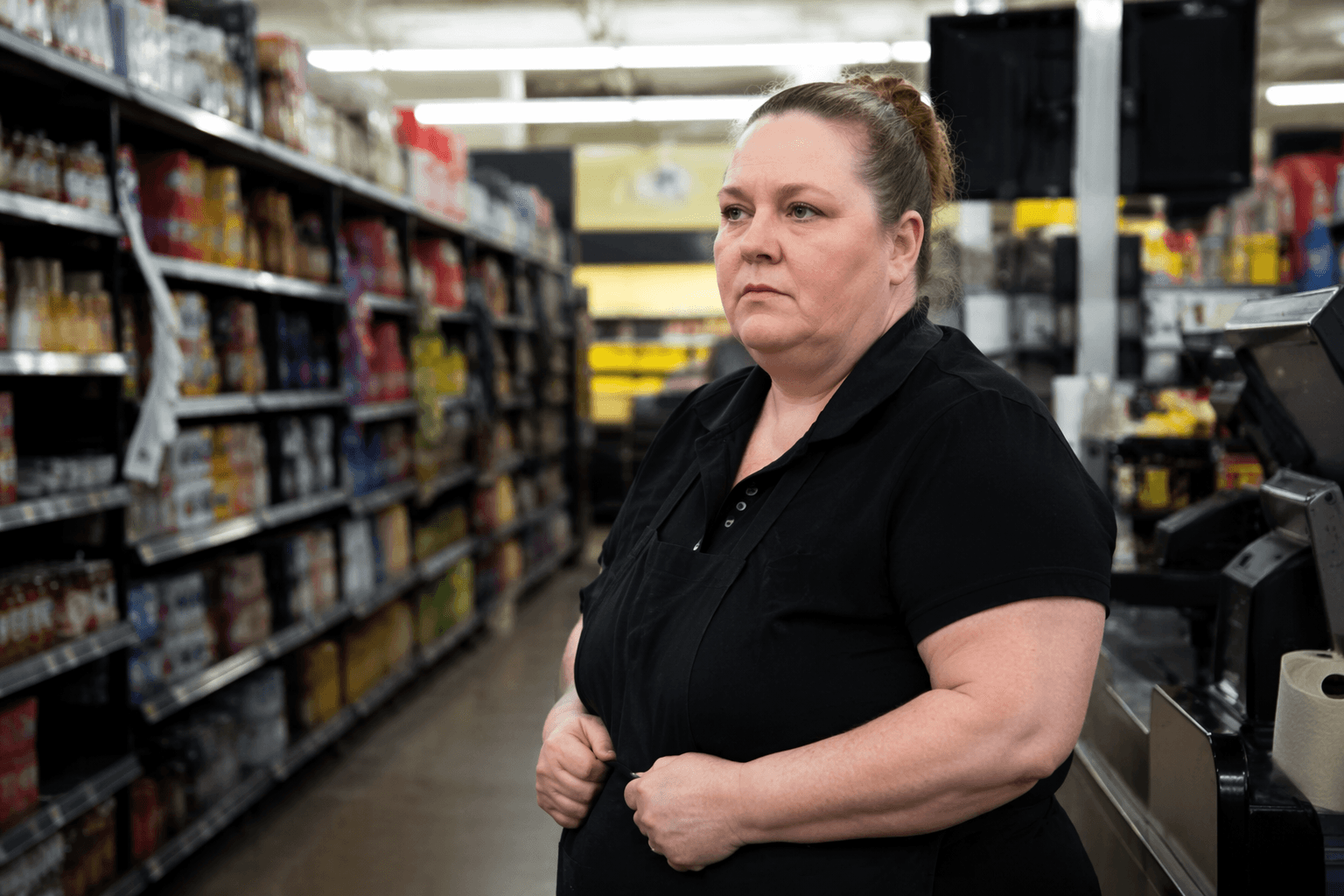
A cashier with diabetes who needed orange juice to stop a hypoglycemic episode at the register turned a $1.69 purchase into a federal disability case that ended with a $277,565 award against Dollar General.
Linda K. Atkins worked for Dollar General in Maryville, Tennessee, starting in August 2009. She was promoted to lead sales associate in March 2012, a job that put her in charge of handling cash and often left her alone at the register. Atkins had type 2 diabetes, and she asked to keep orange juice near her register so she could get glucose quickly when her blood sugar dropped. Management refused, pointing to a store rule that barred food and drink at the register.
The problem came to a head in late 2011 and early 2012, when Atkins suffered two hypoglycemic episodes while working alone. Each time, she drank orange juice from the checkout cooler, paid for it immediately afterward, and reported what happened to her supervisor. The orange juice cost $1.69 plus tax. Dollar General later fired her after a district manager and a loss prevention manager came to the store to deal with inventory shrinkage.
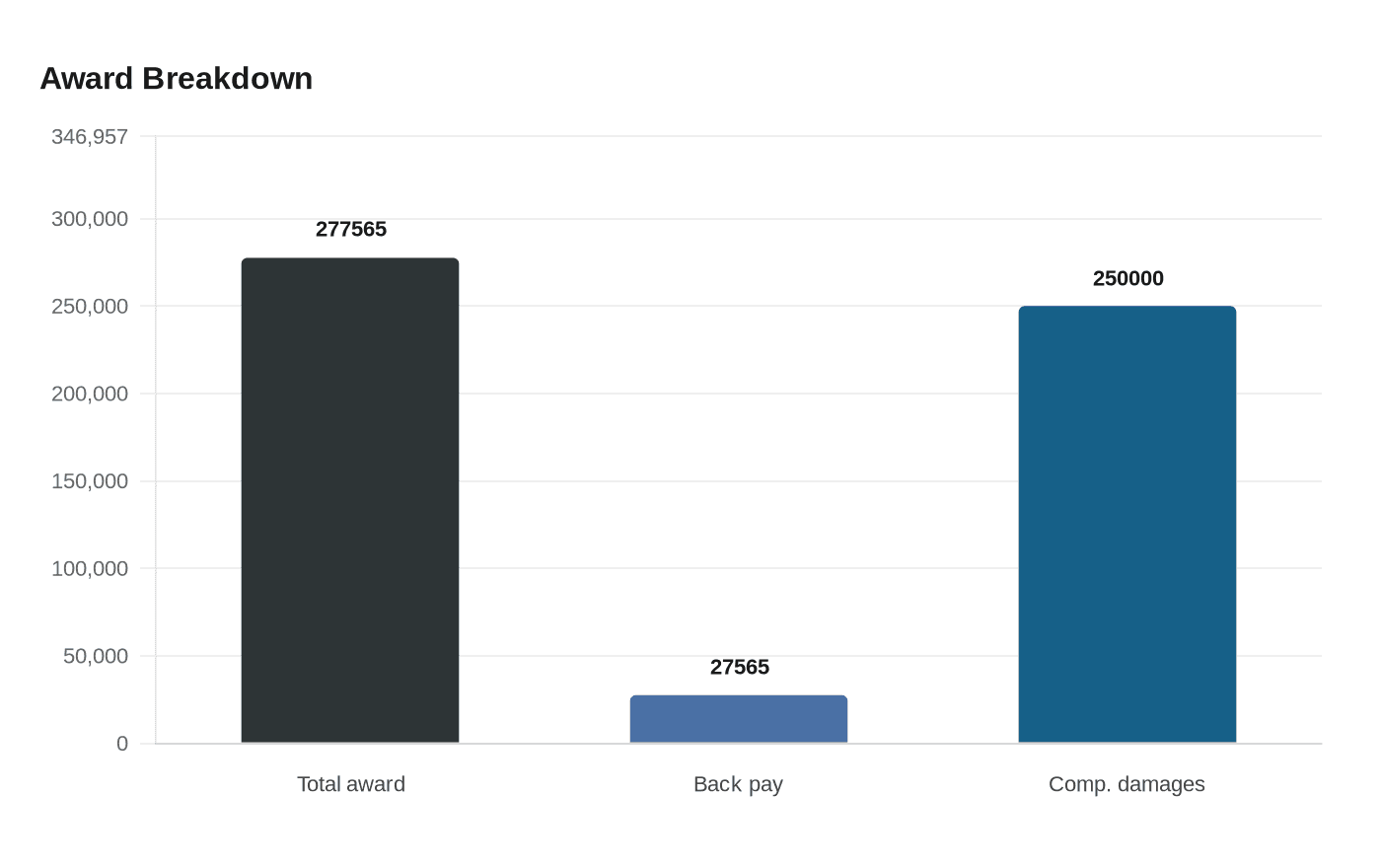
The U.S. Equal Employment Opportunity Commission filed suit in the Eastern District of Tennessee on September 23, 2014, and Atkins joined the case as a plaintiff three months later. A jury in Knoxville returned its verdict on September 16, 2016, finding that Dollar General failed to provide a reasonable accommodation under the Americans with Disabilities Act. The award totaled $277,565, including $27,565 in back pay and $250,000 in compensatory damages.
Dollar General appealed, but the U.S. Court of Appeals for the Sixth Circuit heard argument on July 25, 2018 and affirmed the verdict on August 7, 2018. The court said Atkins needed about 100 calories of glucose during an episode and noted that she had twice previously been hospitalized for severe hypoglycemic attacks. The opinion also reflected a key point for workers managing medical conditions on shift: Atkins had asked for the accommodation in advance, used the orange juice to treat an immediate medical need, paid for it right away, and reported the incidents before the company treated the episode as misconduct.
EEOC General Counsel P. David Lopez said the agency was pleased with the verdict, and Regional Attorney Faye A. Williams said the case showed another employer that failed to train employees on ADA reasonable-accommodation requirements. For workers on Dollar General’s front lines, especially those often left alone at the register, the case shows how quickly a medical emergency can turn into a discipline issue when a store’s rules are enforced without an accommodation process.
This article was produced by Prism’s automated news system from verified source data, official records, and press releases, then run through automated quality and moderation checks before publishing. The system is built and supervised by the people who set the standards it runs under. Read our full AI policy.
Know something we missed? Have a correction or additional information?
Submit a Tip