Dollar General faces tougher value-sector test as shoppers cut back
Gas prices and tighter household budgets are turning Dollar General’s second half into a harder read, with more value-seeking shoppers and more strain on store labor.
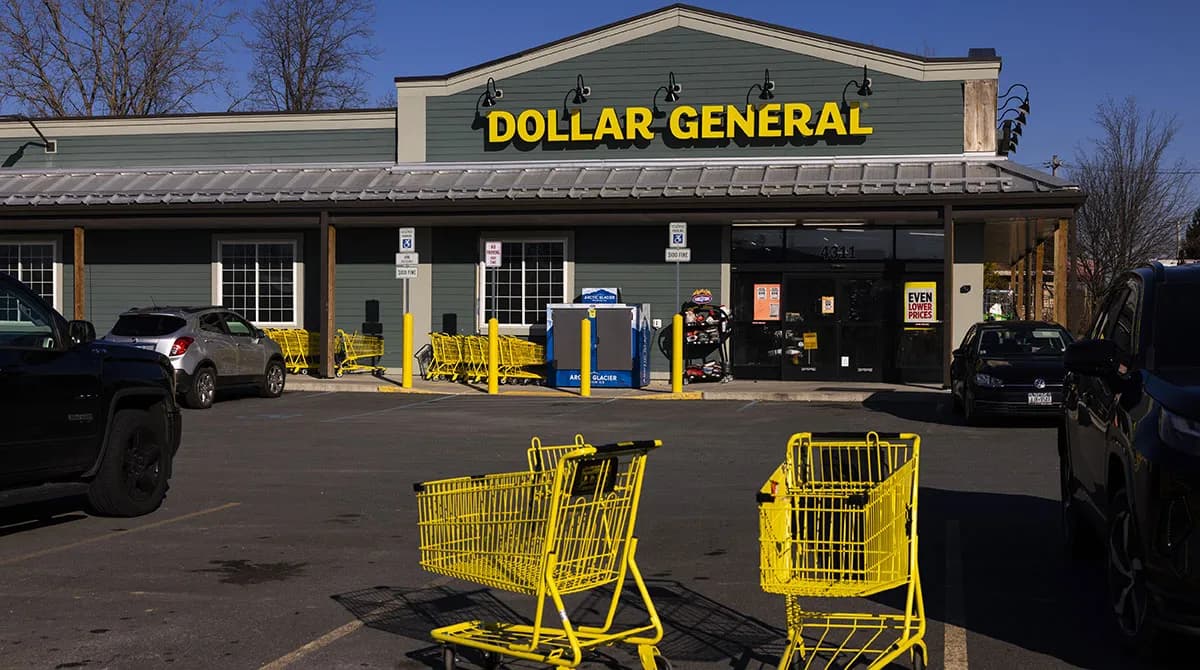
Rising gas prices are threatening to make the second half of the year tougher for Dollar General and the rest of the value sector. Recent results from Dollar Tree, Walmart, Gap and others showed shoppers are still spending, but they are doing it more selectively, favoring essentials and value buys over discretionary items. On the sales floor, that usually translates into more uneven traffic, thinner baskets and more time spent on replenishment, price changes and promo questions.
Dollar General’s finance chief has already said the chain’s core lower-income shoppers are cutting back, including on food, while higher-income households continue to trade down into dollar stores. That mix matters because it changes what a typical trip looks like. One customer may be stretching a grocery budget, while another is hunting for a cheaper place to buy the same basics. For store teams, that means demand can swing quickly from one day to the next, with some aisles moving fast and others sitting while workers keep resetting shelves.
The pressure could become more obvious through the summer and into back-to-school, one of retail’s most important revenue windows. Gas prices can eat into discretionary spending, and when families have less left after filling the tank, they tend to trim the extras first. For Dollar General employees, that does not always mean fewer customers. It can mean more trips, smaller baskets and more shoppers comparing every dollar, which puts extra weight on the same small team trying to keep up with freight, recovery and checkout.
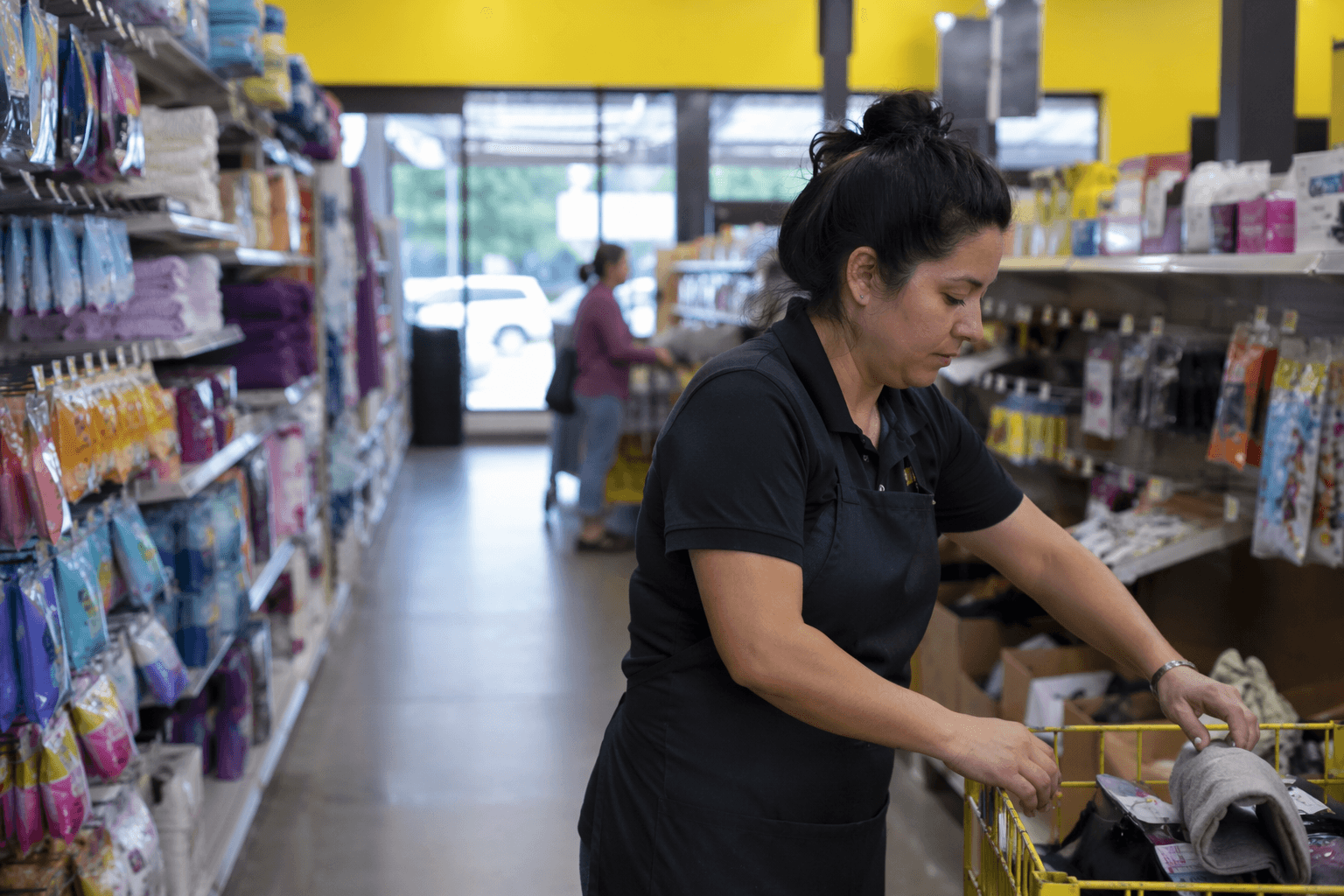
If the tougher second half starts showing up in stores, the early signs will be practical. Schedules may get more uneven from week to week. Hours for stocking and recovery may feel tighter. Managers may push harder to move higher-margin items, especially near the register and on endcaps, because each sale matters more when shoppers are trading down. Workers may also notice more time lost to price checks and promo explanations as customers watch every item closely.
The bigger message for Dollar General is that value retail still works as a pressure valve when households feel stretched. But that does not remove the pressure inside the store. It can make the labor strain easier to see, especially if sales stay choppy while the company tries to keep shelves full and margins intact.
This article was produced by Prism’s automated news system from verified source data, official records, and press releases, then run through automated quality and moderation checks before publishing. The system is built and supervised by the people who set the standards it runs under. Read our full AI policy.
Know something we missed? Have a correction or additional information?
Submit a Tip