Dollar General highlights community role in rural and suburban towns
Dollar General’s community language means more work at store level, where managers field donation asks, local partnerships and reputation pressure in towns that rely on the chain.
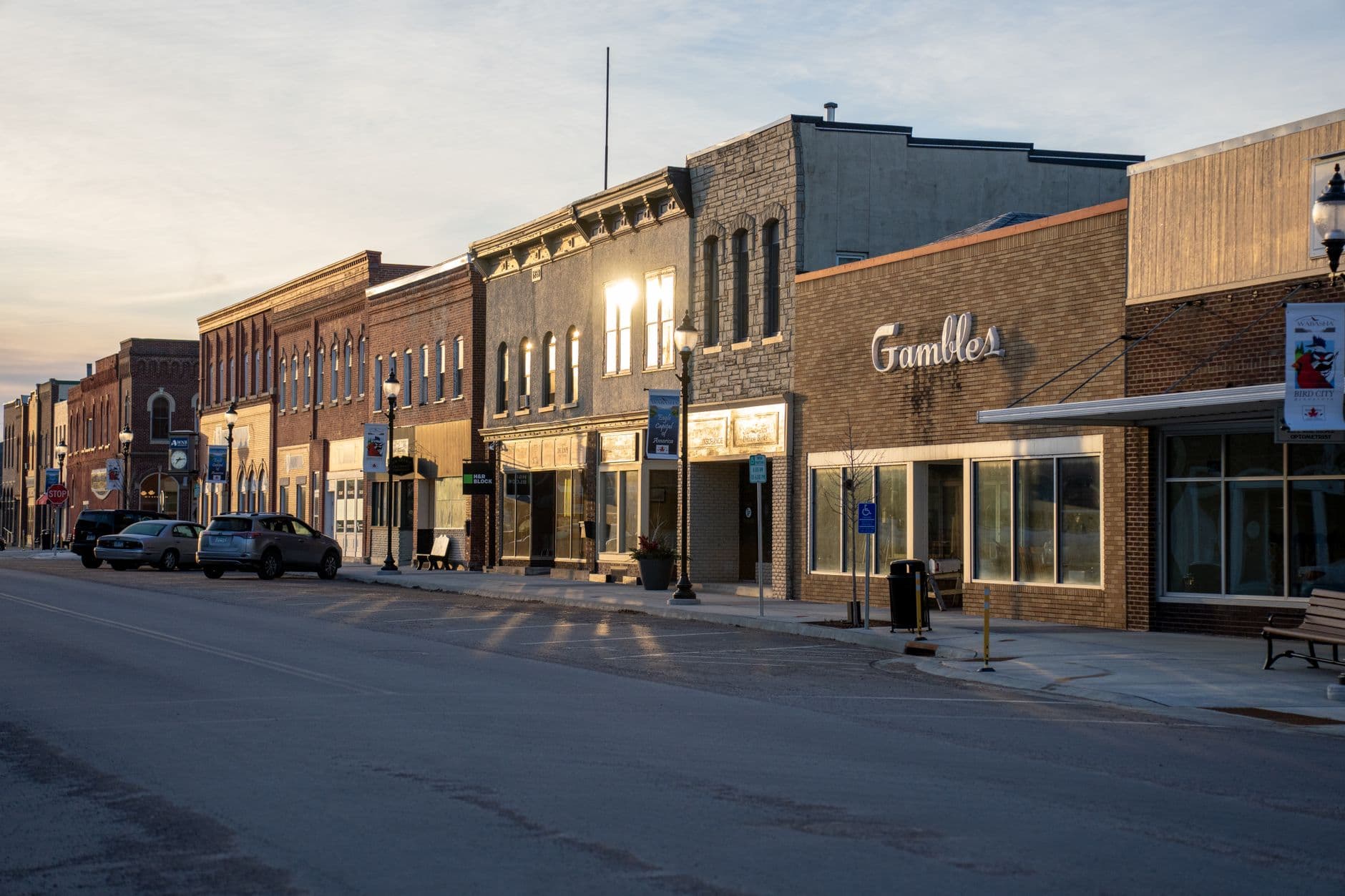
Dollar General’s community pitch is not just about goodwill. In rural and suburban towns, it turns local stores into the face of the company, which means store managers and district managers can end up handling donation requests, school partnerships, and public expectations on top of day-to-day retail demands.
What Dollar General means when it says community
Dollar General frames itself as more than a place to buy low-cost staples. The company’s 2025 Corporate Social Responsibility & Sustainability Report says it provided access to more than 20,800 stores across 48 U.S. states and five cities in Mexico, and ties that footprint to its foundational purpose: “Serving Others.” That language matters because it connects the store network to a public role in places where the chain may be one of the closest national retail options.
The company’s history page pushes the same idea in different words. Dollar General was founded in 1939, and the brand says it “meets the needs” of customers. For workers, that is more than a slogan. It helps explain why the company keeps pairing store operations with community messaging, and why service, reliability, and local familiarity are treated as part of the job, not extras.
Why the message hits hardest at store level
The community page is designed to shape how local employees and community partners think about Dollar General, but the pressure lands most directly on the people running individual stores. In small towns, staff may be known by name, and the store can function as a neighborhood checkpoint for basic goods, local notice, and informal support. That makes employee conduct visible in a way that is different from a large-format retailer on an interstate strip.
For store teams, community expectations can turn into practical requests: a local nonprofit looking for donations, a school asking about literacy support, or a city official checking on how the store can help after a storm. Those asks do not disappear because the shelf list is short or the schedule is thin. They add another layer of emotional labor to a job already shaped by staffing pressure, speed, and customer volume.
The giving numbers behind the image
Dollar General’s philanthropy pages show that the company’s community language is backed by large, long-running grant programs. The Dollar General Literacy Foundation was established in 1993 to honor co-founder J.L. Turner, whom the company says was functionally illiterate and had only a third-grade education. The foundation’s “A Literacy Legacy” page says it was created by Dollar General’s founding family 30 years ago to uplift, empower and “Serve Others” through literacy.
The scale is significant. Dollar General says the foundation has awarded more than $250 million in grants to nonprofit organizations, helping more than 21.5 million individuals. Another company page says it has supported more than 24,000 organizations, including schools, libraries and nonprofits, and helped nearly 24 million individuals learn to read, prepare for the high school equivalency test, or learn English. Those numbers explain why literacy sits near the center of the company’s public identity, especially in communities where store employees may be asked to explain the company’s support for local schools or reading programs.
Disaster response is part of the same local story
Dollar General also uses emergency relief to reinforce its community role. Its company-facts community page says that since 2010 it has supported the American Red Cross with more than $6.4 million in corporate donations and in-store collections. The page says those funds have aided relief and recovery after hurricanes, tornadoes, floods, wildfires and other disasters.
That is not a symbolic detail for employees working in storm-prone regions. When a chain store is embedded in a town, disaster response can become part of the store’s reputation overnight. A team that is already juggling stock, staffing and shrink can also become a point of contact for neighbors trying to recover, which increases the expectation that the store will be organized, open, and responsive when the community needs it most.
The company extended that message again in June 2025, when it announced an additional $250,000 donation to continue its American Red Cross partnership for disaster preparedness, relief and recovery. Dollar General has also pointed to the U.S. Department of Education Charter School Center’s description of Beyond Words, a disaster relief fund for public school libraries in Dollar General store communities. The grant awards listed there range from $10,000 to $20,000 and can reach up to $50,000, which shows how tightly the company links store communities to school recovery.
Why managers should read the community page as a workload signal
For managers, the community page is useful because it reveals the extra expectations attached to being the local face of a large chain. It is not only about public relations. It is also a signal that the store may be expected to support local trust, answer questions about giving, and represent the company in places where community institutions know who runs the store.
That can affect workload in ways employees feel immediately. A store manager in a rural town may have to handle a school supply request in the morning, a customer complaint in the afternoon, and a district check-in before close, all while trying to keep the building staffed and the front end covered. The more the company emphasizes “Serving Others,” the more local teams are asked to make that phrase real without a matching increase in time, labor, or flexibility.
What the messaging tells workers and local leaders
Dollar General’s community framing gives workers a clearer view of why the company talks so much about service, literacy, and neighborhood presence. The chain is presenting itself as a daily fixture in communities big and small, not just a place to ring up transactions. That helps explain why local conduct, store appearance, and service standards are treated as part of the brand’s public identity.
It also shows the gap managers often have to bridge. Corporate messaging points to grants, disaster relief, and literacy support; store teams have to absorb the calls, the questions, and the expectations that come with that reputation. In practice, Dollar General’s community story is built at the register, in the parking lot, and in every interaction that tells a town whether the store is just nearby or actually part of the community it serves.
This article was produced by Prism’s automated news system from verified source data, official records, and press releases, then run through automated quality and moderation checks before publishing. The system is built and supervised by the people who set the standards it runs under. Read our full AI policy.
Did this article answer your question?