Dollar General maps June savings event week by week through July 4
Dollar General’s June event is a week-by-week playbook, and the real work is staying ahead of each reset, price point, and traffic spike.
A month-long promo that changes the job every week
Dollar General’s June savings push is not a single floor set. It is five different selling plans packed into 30 days, which means the work shifts almost as fast as the calendar. For associates and managers, the practical question is simple: what is the store supposed to look like this week, what will customers ask for, and what has to be filled, faced, or moved before the rush hits?
The event runs from June 1 through June 30, framed as a patriotic campaign that bridges Memorial Day and Independence Day and leans into America’s 250th anniversary. More than 85% of the patriotic assortment is priced at $5 or less, and about 30% sits at $1, which tells you the message is not just celebration. It is value, and that matters on the floor because low-price events tend to bring fast-moving baskets, quick substitutions, and plenty of “Do you have more in the back?” questions.
Why the cadence matters on the floor
The weekly structure is what frontline teams should watch most closely. When the deal mix changes every seven days, the store cannot rely on a set-it-and-forget-it seasonal table. You need the seasonal zone, endcaps, clip strips, and front-of-store displays to keep pace with the ad, or the store starts looking off even if product is technically in the building.
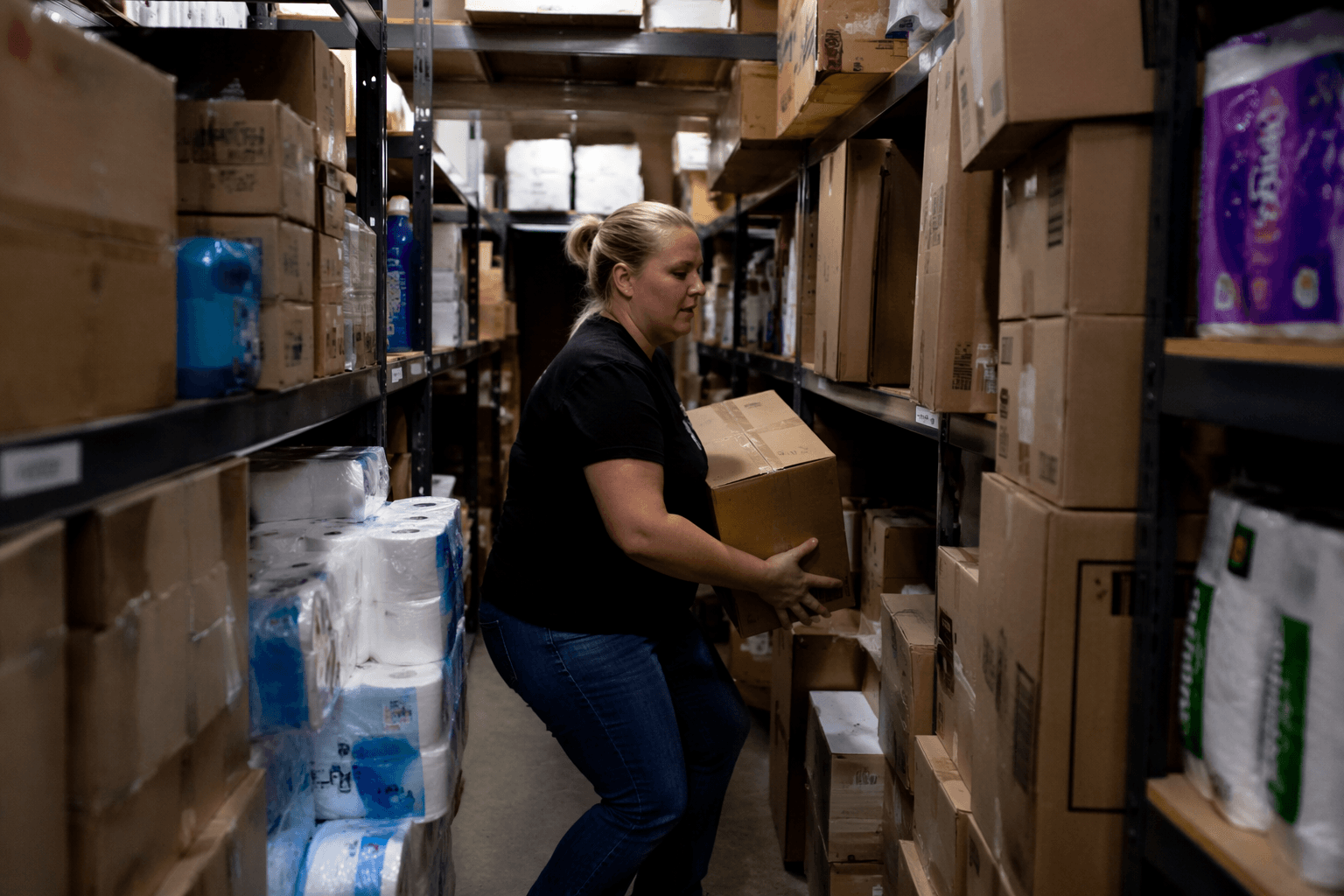
That means task timing matters. Freight unloading, seasonal replenishment, front-end backup, and ad changes will all compete for the same shifts. In a store where staffing is already tight, the difference between a smooth week and a messy one may be whether the team knows which week it is supposed to be selling for, not just what arrives on the truck.
Dollar General’s scale is part of why this matters. As of January 30, 2026, the company said it operated 20,893 Dollar General, DG Market, DGX and pOpshelf stores across the United States, plus Mi Súper Dollar General stores in Mexico. A promotion this large only works if it is executed consistently, because customers notice when one store feels current and another looks like it missed the reset.
Week 1, June 1-6: food and beverage drives the basket
The first week is Food & Beverage, and that should set off one clear operational alarm: customers will be building baskets around immediate needs, not browsing for fun. That usually means more questions about grab-and-go items, drink options, snacks, and quick meal fixes, especially if the store is near a rural route, a small town main street, or a neighborhood where customers use Dollar General for convenience more than destination shopping.
For the floor team, this is the week to keep food-adjacent displays clean, filled, and easy to shop. Endcaps and coolers, if available, need attention early in the day because food traffic tends to turn into repeat traffic as people come back for forgotten items. Managers should be watching for gaps that make the store feel understocked even when the back room has inventory waiting to go out.
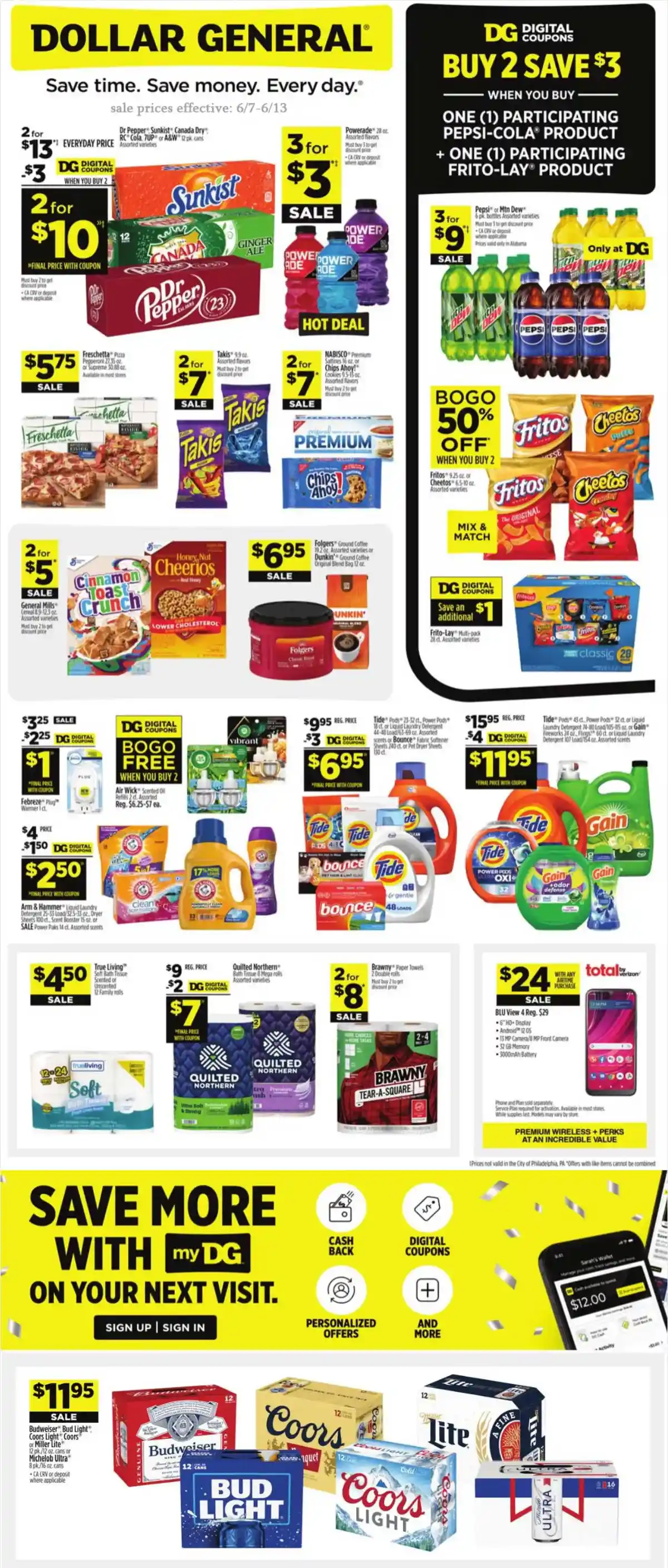
Week 2, June 7-13: barbecue season shifts the merchandising load
Backyard Barbecue Essentials changes the job again. This is the week when the store starts selling an occasion, not just a category, and that means customers are likely to assemble a whole party run in one trip. They will look for grilling supplies, picnic basics, paper goods, drinks, and whatever gets them from “we should cook out” to “we are ready to go.”
That’s where the floor gets busy in a different way. Items like hot dog holders, picnic blankets, and drink tumblers may sound decorative, but they often pull the customer toward a larger basket because they sit next to food, outdoor, and disposable-party needs. If those items are buried, scattered, or not priced clearly, the store loses both the sale and the signal that the event is active.
Week 3, June 14-20: patriotic and outdoor fun tests speed of reset
Patriotic & Outdoor Fun is where the event becomes most visibly seasonal. The assortment includes items such as apple pie, Uncle Sam-themed salt and pepper shakers, hot dog holders, picnic blankets, and drink tumblers, which means the aisle has to look festive without becoming cluttered. This is the kind of week when presentation counts almost as much as price because the customer is buying the mood as well as the merchandise.
For employees, the biggest pressure point is keeping the seasonal display aligned with what is being advertised. If the patriotic product is spread across the store or the fast sellers are buried behind slower items, shoppers will assume the event is thin. That can create unnecessary questions, extra backup calls, and more time spent walking customers to items that should be easy to find.
Week 4, June 21-27: travel and staycation turns the store into a utility stop
Travel & Staycation usually means practical, compact, last-minute shopping. Customers are often looking for whatever solves a trip, a weekend, or a home holiday without spending much time in the store. That shifts the store’s job from celebration to problem-solving, and employees should be ready for questions about travel-size basics, home comfort, and quick replacements.
This week can also create odd traffic patterns. Some shoppers will be preparing to leave town, while others are staying home and trying to recreate a holiday at a low cost. Either way, the store has to stay neat and navigable, because this is the kind of week when clutter makes a bargain feel like a chore.
Week 5, June 28-30: the July 4 countdown is the highest-pressure finish
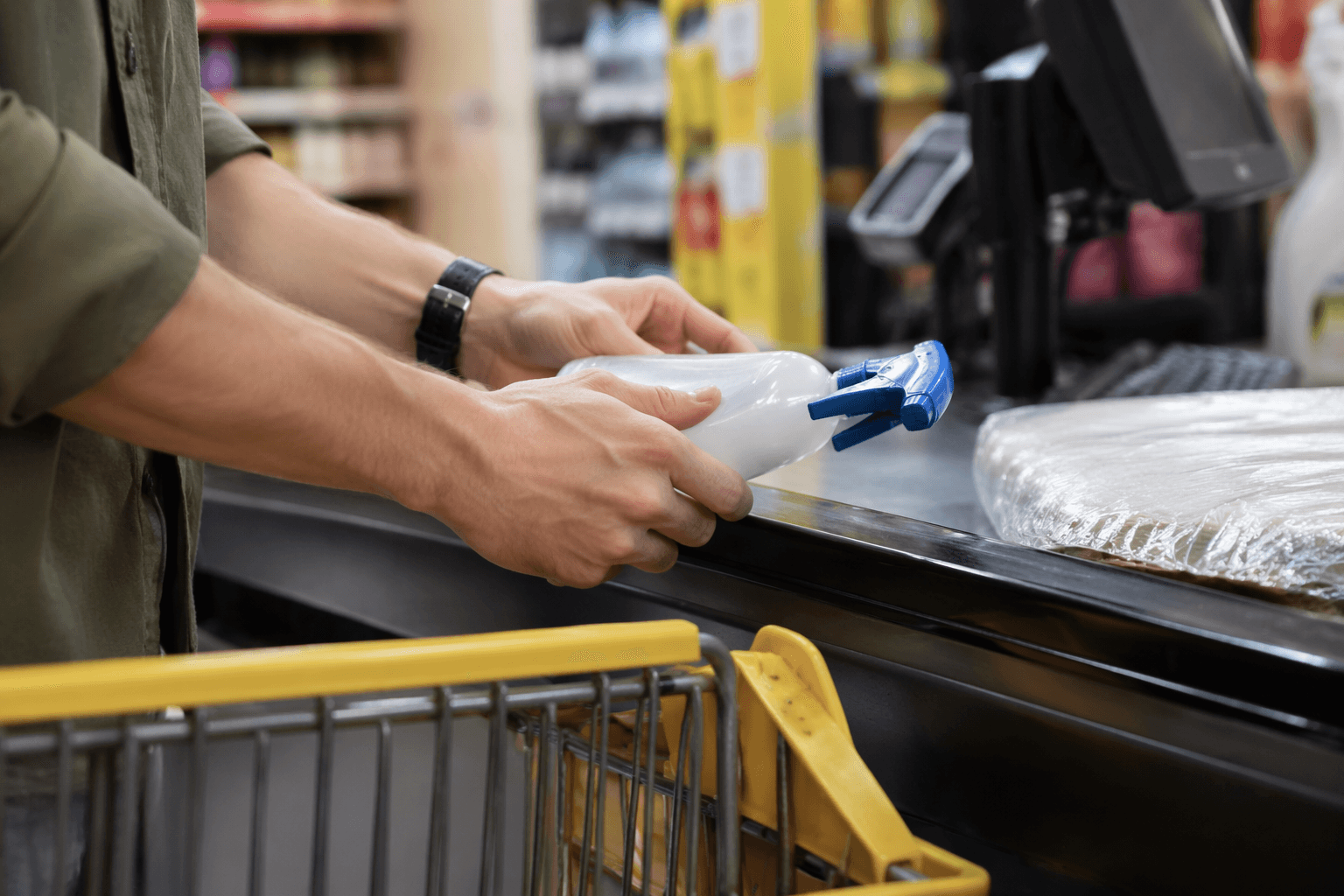
The final stretch, Countdown to July 4th, is the sharpest operational test. Dollar General says the last three days include special daily deals priced at $2.50, which means the store has to be ready for customers to check the ad, make a quick trip, and expect the same deal to be easy to find every day. This is where missing signage or stale shelves can create the most friction at the register.
Managers should treat this period like a mini event inside the event. Replenishment needs to be tighter, front-end communication needs to be clearer, and seasonal product should be checked more than once per shift if traffic builds. When a daily deal is cheap and limited, the customer expectation is instant availability, so the cost of a miss is not just a lost sale. It is a longer line, a frustrated shopper, and a cashier left explaining why the ad did not match the shelf.
What the company’s numbers say about the pressure behind the promo
The promotion also lands in a year when Dollar General is pushing harder on execution. In the first quarter of 2026, the company reported net sales of $10.8 billion, comparable store sales up 2%, and operating profit up 10.8% to $638.5 million. Management also said it plans to accelerate investments in key initiatives, including AI, while still dealing with inflation, higher fuel costs, and consumer uncertainty.
For store teams, that is the important backdrop: the company wants traffic, basket growth, and tighter execution at the same time. That makes a week-by-week seasonal event more than a marketing campaign. It is a stress test for staffing, recovery, and discipline on the floor.
Dollar General has built this event around its long-running pitch of value and convenience, and the numbers show why. Founded in 1939, the company describes its mission as one of value and convenience across 85 years. This June campaign is trying to turn that promise into a predictable store rhythm, and the workers who keep the rhythm steady will be the ones who make the promotion feel effortless to customers.
This article was produced by Prism’s automated news system from verified source data, official records, and press releases, then run through automated quality and moderation checks before publishing. The system is built and supervised by the people who set the standards it runs under. Read our full AI policy.
Know something we missed? Have a correction or additional information?
Submit a Tip