Dollar General workers see pay lose ground as inflation outpaces wages
A 0.2% wage bump was swallowed by 0.6% inflation, leaving Dollar General workers with less buying power even after a raise.
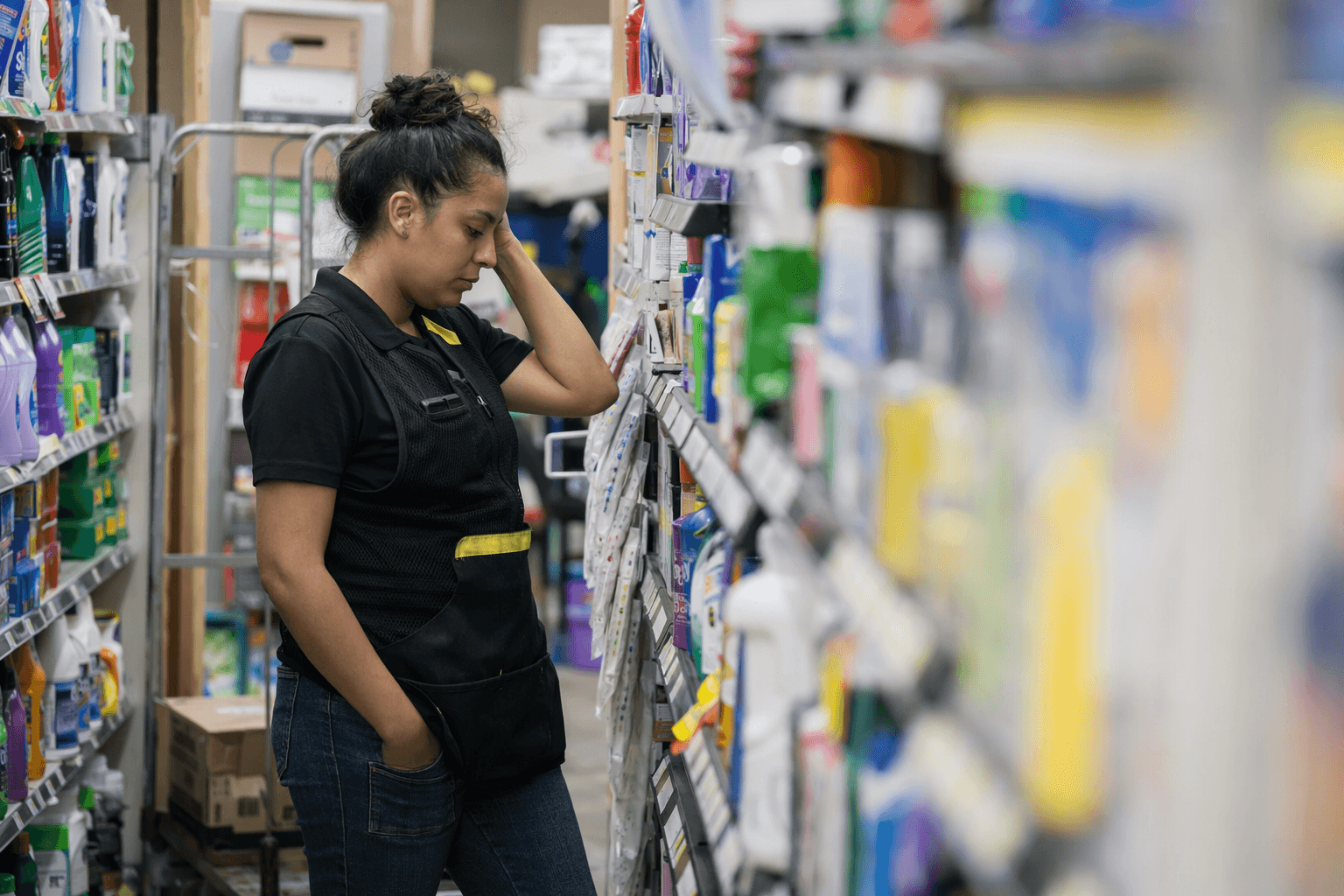
A raise can look like progress on a pay stub and still leave a Dollar General worker with less at the register. In the Bureau of Labor Statistics’ Real Earnings report for April 2026, average hourly earnings for all employees rose 0.2 percent from March to April, but prices for urban consumers rose 0.6 percent. That gap pushed real average hourly earnings down 0.5 percent for the month, a reminder that more dollars do not always mean more buying power.
The same pattern hit frontline workers, the people most likely to feel it first in stores that run lean. For production and nonsupervisory employees, real average hourly earnings fell 0.3 percent month over month, while real average weekly earnings also dropped 0.3 percent. Year over year, real average hourly earnings fell 0.3 percent for all employees and 0.2 percent for production and nonsupervisory workers. The next real earnings release is scheduled for June 10, 2026.
The math is plain enough to use on any paycheck. If a worker making $15 an hour gets a 0.2 percent raise, the hourly rate rises by 3 cents to $15.03. But if prices rise 0.6 percent at the same time, that pay does not stretch as far. The worker is technically paid more, yet the paycheck buys less than it did a month earlier. That is the distinction Dollar General employees need to watch when managers talk up wage increases without saying what inflation has done to them.
That matters at Dollar General because the company said in its fiscal 2025 annual report that it employed about 194,000 full-time and part-time workers as of February 27, 2026. The company also said a typical store staff includes a store manager, one or more assistant store managers, and four or more sales associates. In a business built on thin staffing and high turnover, even a small loss in purchasing power can affect morale, retention and who stays long enough to learn the job.
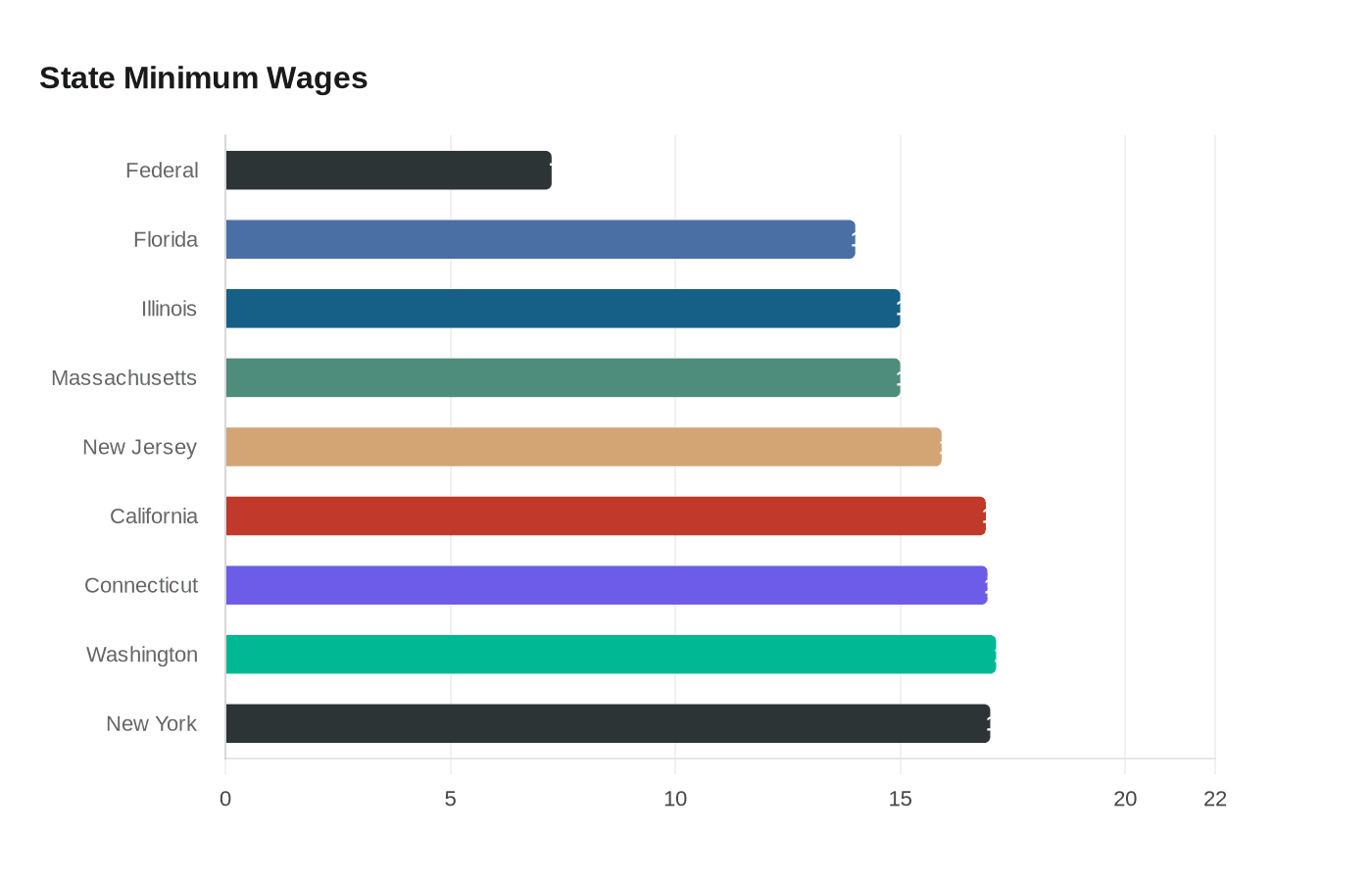
The wage picture also changes sharply by state. The federal minimum wage remains $7.25 in 2026, but many states set much higher floors, including California at $16.90, Connecticut at $16.94, Florida at $14.00, Illinois at $15.00, Massachusetts at $15.00, New Jersey at $15.92 or $15.23 for some small employers, New York at $17.00 in parts of the state, and Washington at $17.13. Missouri’s minimum wage rose to $13.75 on January 1, 2025 and was scheduled to reach $15.00 on January 1, 2026.
The broader labor market offered little relief. The April 2026 employment report showed total nonfarm payrolls up by 115,000, with retail trade among the sectors adding jobs. For Dollar General workers in Goodlettsville, Tennessee, and beyond, the message is the same: a pay raise only matters if it beats the price of groceries, gas and rent.
This article was produced by Prism’s automated news system from verified source data, official records, and press releases, then run through automated quality and moderation checks before publishing. The system is built and supervised by the people who set the standards it runs under. Read our full AI policy.
Did this article answer your question?