OSHA reminds Dollar General workers of rights to report hazards safely
Blocked exits and retaliation are OSHA problems, not just store drama. At Dollar General, the whistleblower clock can run out in 30 days.

When something goes wrong at Dollar General, the first call depends on the problem. If the issue is a blocked exit, a missing fire extinguisher, or a manager punishing you for speaking up, OSHA says workers can file a confidential safety complaint and ask for an inspection. If the issue is discrimination or harassment, the Equal Employment Opportunity Commission is the separate lane. If the problem is a workplace injury claim, the paper trail matters just as much as the medical care.
OSHA’s worker-rights guidance says employees can report safety and health concerns without being fired, demoted, transferred, or otherwise disciplined for doing it. The agency also says retaliation complaints under its whistleblower rules generally must be filed within 30 days after the retaliatory decision is made and communicated. That deadline matters fast in retail, where a write-up, cut hours, or a sudden transfer can follow a complaint long before a worker has time to think through the next step.

For an on-the-job injury, OSHA’s recordkeeping rules give workers another lever. If an employee asks for a copy of the OSHA 301 Incident Report for their own injury, the employer must provide it by the end of the next business day. OSHA also uses Forms 300 and 300A, and it has an Injury Tracking Application for electronic injury data submission. In practice, that documentation can help separate a real injury claim from a store’s version of events.
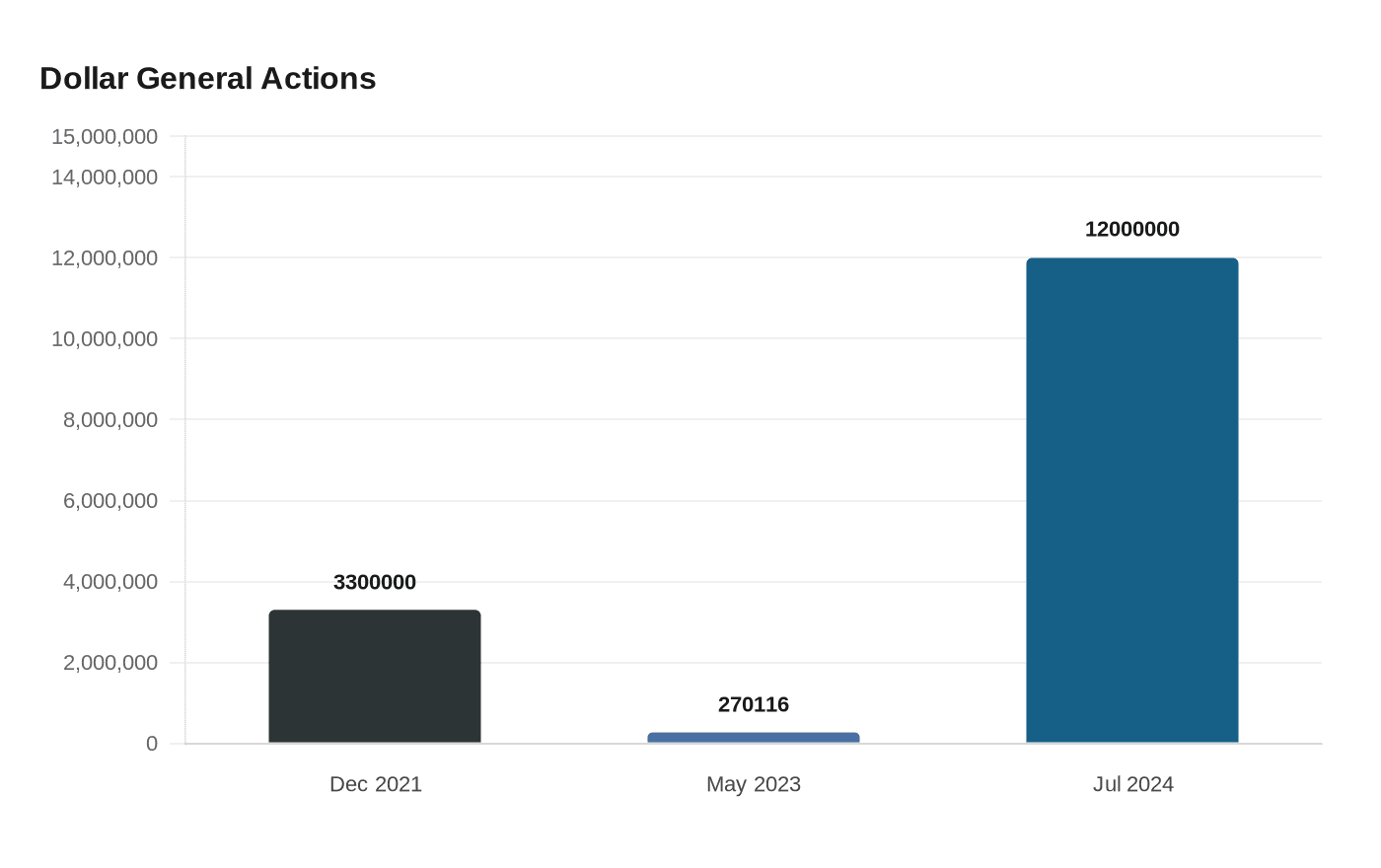
Dollar General is not an abstract example. In December 2021, the U.S. Department of Labor said OSHA had proposed more than $3.3 million in penalties in 54 inspections at Dollar General locations nationwide since 2016. The violations included blocked electrical panels, obstructed exits, forklift problems, and housekeeping and sanitation hazards. On May 23, 2023, OSHA said inspectors at a Dollar General store in Kettering, Ohio, found exit routes, fire extinguishers, and electrical panels blocked by merchandise and other materials, and proposed $270,116 in penalties for three repeat violations.
The company’s problems did not stop there. On July 11, 2024, OSHA announced a corporate-wide settlement with Dollar General and its retail subsidiaries aimed at improving safety in stores nationwide. The agreement was meant to resolve contested and open federal inspections involving blocked emergency exits, blocked electrical panels, blocked fire extinguishers, and unsafe storage. Reporting on the settlement said Dollar General would pay $12 million and make safety investments across roughly 20,000 stores.
When the issue is discrimination, the EEOC takes the lead. The agency says mediation is free, voluntary, informal, and confidential. It has also said Dollar General settled a disability- and GINA-related case for $1 million, with annual training, revised ADA and GINA policies, and notice to employees about their rights. On January 17, 2025, the EEOC filed a new disability-discrimination and retaliation lawsuit against a Dollar General operator, underscoring that safety complaints and civil-rights complaints travel on different tracks. Knowing which agency fits the problem is often the difference between a stalled complaint and a real remedy.
This article was produced by Prism’s automated news system from verified source data, official records, and press releases, then run through automated quality and moderation checks before publishing. The system is built and supervised by the people who set the standards it runs under. Read our full AI policy.
Did this article answer your question?