Former surgeon general says Dollar General areas hinder SNAP healthy eating goals
New SNAP stocking rules could turn Dollar General registers into the front line for customer confusion, as associates juggle tighter food standards and rural access gaps.
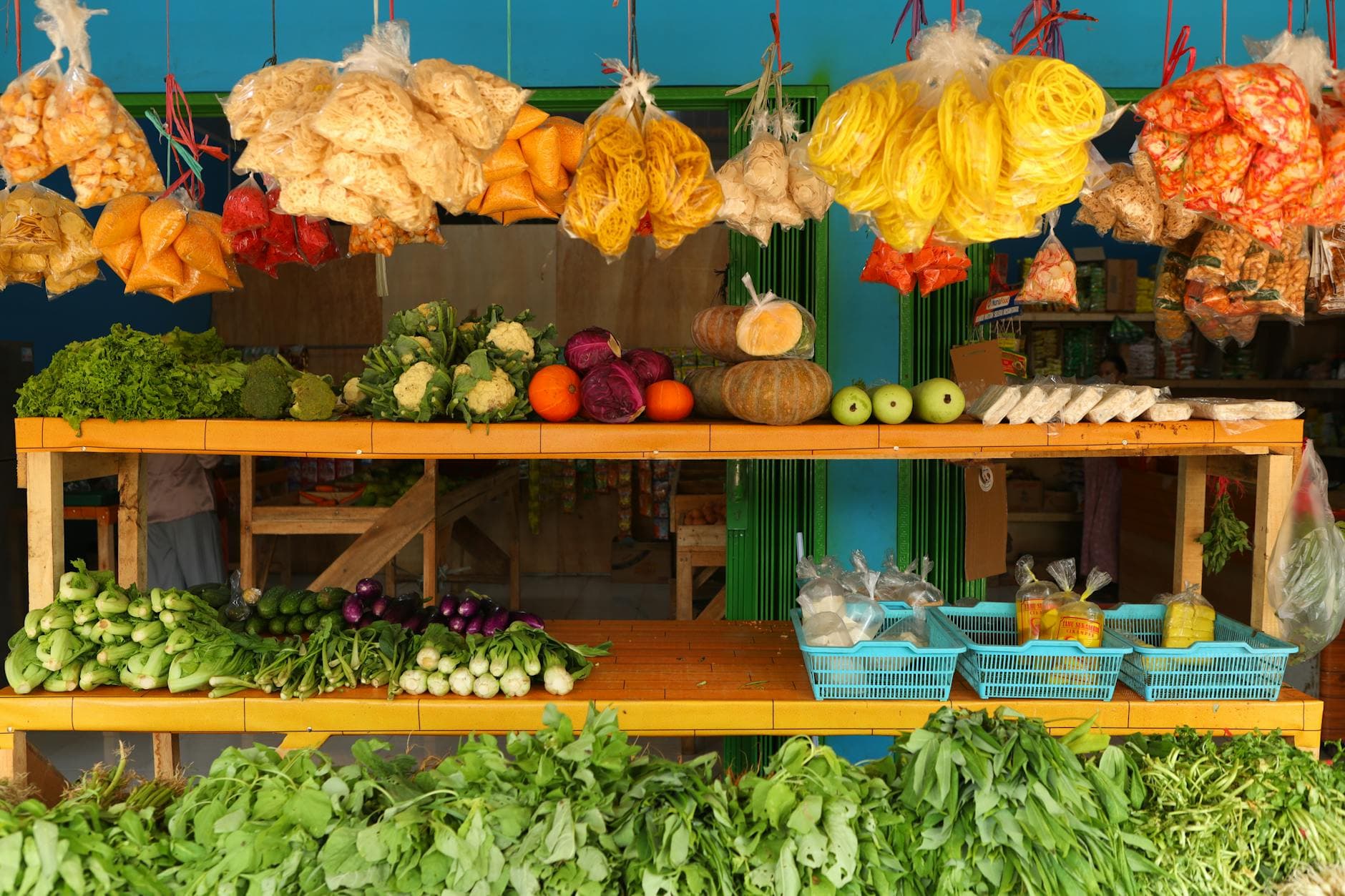
Customers who rely on Dollar General for groceries may soon be asking more questions at the register about what counts under SNAP, and store associates could be the ones explaining the new limits item by item. That pressure is likely to land hardest in rural communities where Dollar General and convenience stores are often the closest places to buy food, even as federal officials push harder on healthy eating standards.
Jerome Adams, the former U.S. surgeon general from Indiana, said those communities still face major barriers to “real food” access in rural grocery deserts. His comments, posted in response to a U.S. Department of Health and Human Services message, added fresh attention to a problem Dollar General workers know well: many customers do not have a supermarket nearby, and the closest alternative is often a small-format store with a narrow assortment.
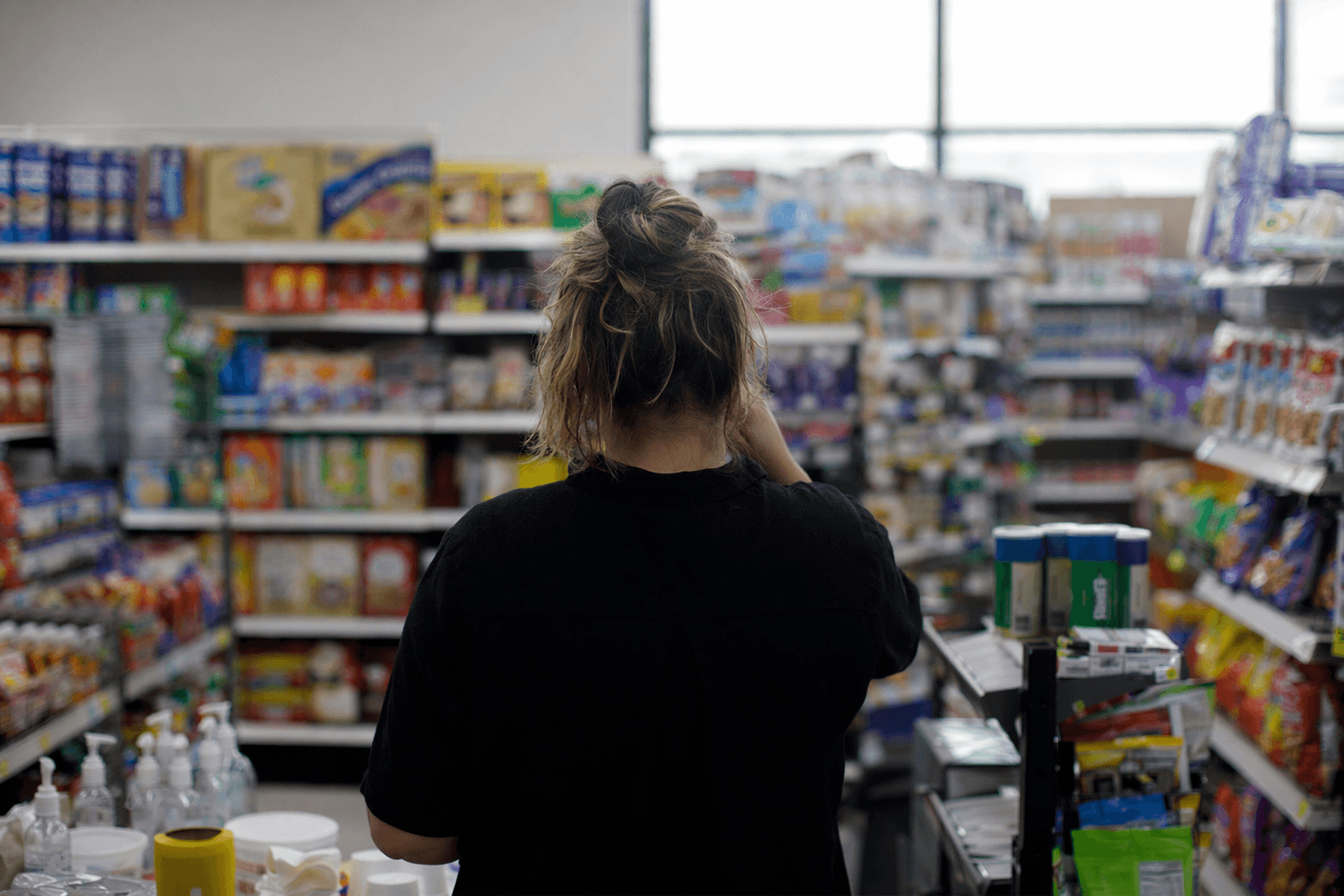
The timing matters for stores that accept SNAP. The U.S. Department of Agriculture finalized updated stocking standards on May 7-8, 2026, and the new rule will take effect for compliance on Nov. 4, 2026. SNAP-authorized retailers will have to carry seven varieties of items across four staple-food categories: protein, grains, dairy, and fruits and vegetables. That is more than double the previous minimum, and it is meant to make it easier for SNAP participants to find a broader mix of nutritious foods.
For Dollar General, the rule raises the practical question of whether stores in SNAP-dependent areas have enough assortment, shelf space and labor to keep up. Associates in single-worker or understaffed stores could face more freight pressure as managers try to keep the right mix on hand, while also handling customer disputes over what qualifies for purchase. In stores where fresh items are already limited, that can mean more confusion at the checkout line and more time spent answering the same questions.
USDA said it had already taken action on nearly 3,200 retailers over current stocking standards since the start of the Trump administration. Federal health guidance also says limited transportation makes healthy food access harder in rural or remote communities, where healthier foods can be limited and often more expensive at convenience stores and small food markets. Healthy People 2030 links poor access to grocery stores with healthy foods to worse nutrition and higher risks of heart disease, diabetes and obesity.
Dollar General has argued that it helps fill those gaps. The company says it offers fresh produce in more than 7,000 locations and that millions of Americans rely on its stores for everyday essentials and food. It has also promoted its partnership with DoorDash, enabled by Forage, to provide SNAP customers on-demand grocery delivery from Dollar General stores across 48 states.
The bigger fight is over whether dollar stores improve food access or deepen the shortage of full-service groceries in small towns. USDA’s Food Access Research Atlas defines low access as being far from a supermarket, supercenter or large grocery store, with rural low access often measured at 10 miles. For Dollar General employees, the policy debate is not abstract: it is likely to show up in the aisle, at the register and in the daily scramble to stock the right food.
Know something we missed? Have a correction or additional information?
Submit a Tip