OSHA warns Dollar General managers to prepare before inspections arrive
An OSHA call can turn into a citation fast at Dollar General. Managers need a 30-minute plan, or a routine complaint can become a follow-up inspection.
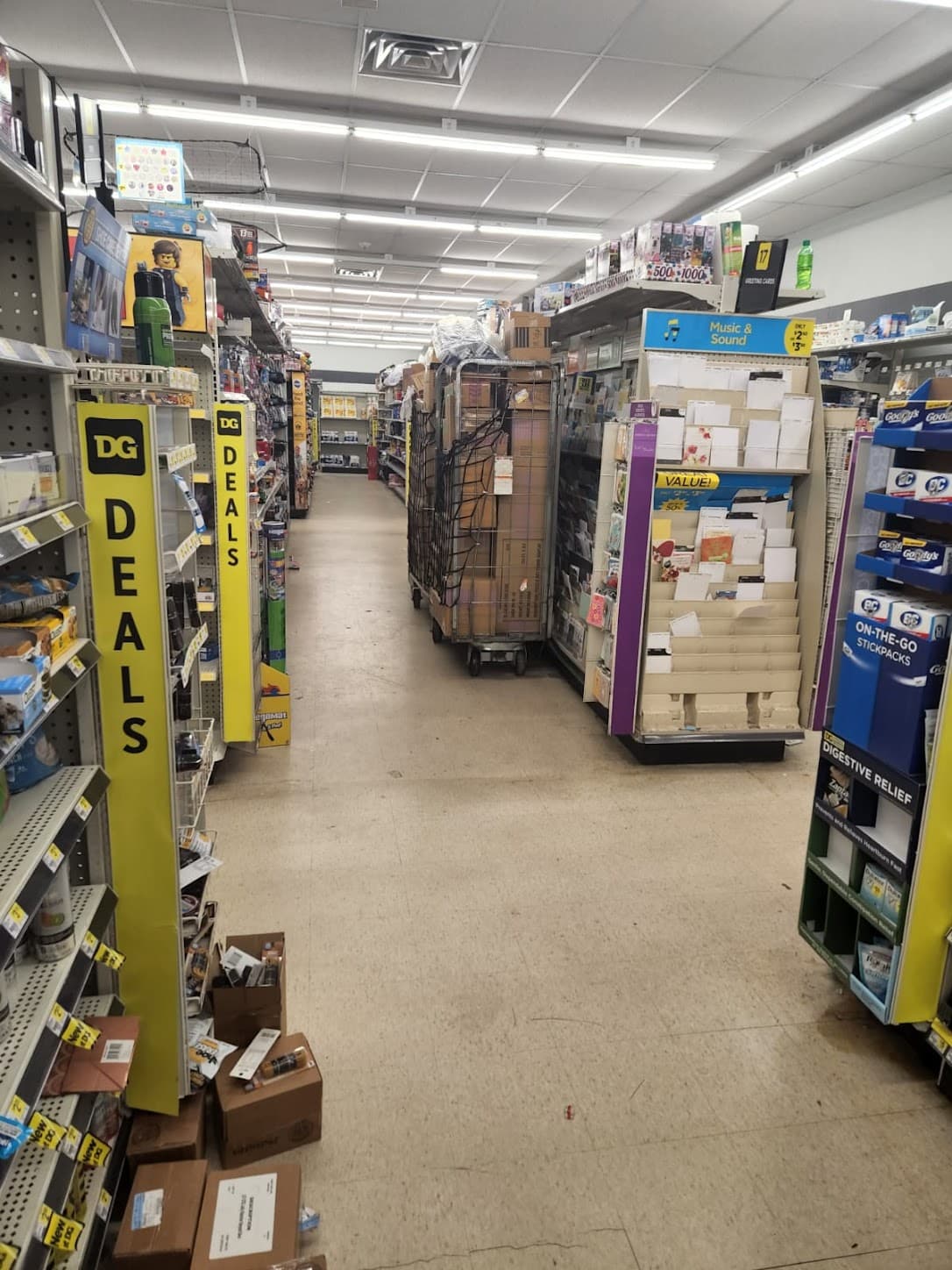
An OSHA call or surprise visit is not the time to improvise at Dollar General. The first half hour can shape whether a complaint stays small, becomes a written response within five working days, or grows into an on-site inspection with follow-up scrutiny.
Why the first call matters
OSHA does not treat every complaint the same way. The agency first decides whether it can handle the matter off-site or whether it needs an on-site inspection, and workers who complain have the right to keep their names withheld from the employer. That means managers may hear about a hazard without knowing who raised it, and they should assume the complaint will be taken seriously even if the store has not yet seen an inspector.
The other reason speed matters is that OSHA inspections are normally unannounced. A manager who waits until an investigator is already at the front counter has already lost valuable time. At Dollar General, where lean staffing and tight schedules can make every shift feel stretched, that surprise can expose the store’s weak points fast.
The first 30 minutes: what managers should do
1. Stop and stabilize the scene.
If an inspector arrives, pause nonessential activity and make sure the store stays orderly. If the complaint came by phone or email, do not brush it aside or assume it will disappear. The goal in the first few minutes is to keep people calm, prevent casual admissions, and avoid making the situation worse.
2. Notify the right people immediately.
Call the district manager, the chain of command, and any internal safety contact as soon as the complaint or visit is confirmed. OSHA’s process can move quickly, and the employer may be asked to respond in writing within five working days on an ordinary complaint. That means the clock starts before most stores have time to catch their breath.
3. Identify the issue before you speak broadly.
Find out exactly what hazard, incident, or workplace condition OSHA is asking about. Keep the response narrow and factual. If a stairwell light is out, a stockroom exit is blocked, or a safety guard is missing, say what the problem is, what was seen, and what immediate correction is underway.
4. Document everything as it happens.
Write down the time of the complaint or arrival, the names and titles of everyone notified, what the inspector asked for, and what the store showed or said in response. Preserve repair requests, maintenance tickets, incident reports, training records, and any photos taken before the scene changes. In a Dollar General store, documentation is often the difference between a one-time problem and a record that proves the company fixed it.
5. Fix what can be fixed right away.
If the hazard can be corrected immediately without creating a new risk, do it and note the exact time. OSHA’s guidance makes clear that early correction and early documentation matter, especially when the agency decides whether to handle a complaint off-site or send someone in person. A store that clears a blocked exit, replaces a damaged sign, or removes a spill fast is in a stronger position than one that promises to get to it later.
6. Keep the tone professional and do not speculate.
If OSHA asks for information, answer accurately. Do not guess about dates, blame a worker, or make excuses that cannot be supported by records. The safest posture is calm, factual, and cooperative. That matters even more when the store is short-staffed and everyone is tempted to talk too much just to get through the shift.
What not to do
Do not retaliate against the employee who raised the concern. OSHA says it is illegal to fire, demote, transfer, or otherwise retaliate against a worker for complaining about safety or health conditions. If a manager treats the reporting worker like a problem to be managed, the store can turn a hazard complaint into a whistleblower case.
That risk is not theoretical. OSHA says workers who believe they were retaliated against must file a whistleblower complaint within 30 days of the retaliation. For managers, that means every reaction to a complaint is now part of the record. A bad attitude, a sudden schedule change, or a threat that sounds casual in the break room can become evidence.
When OSHA asks for entry or records
Managers also need to know their rights. OSHA says employers can require a compliance officer to obtain an inspection warrant before entering the worksite. That is not a move for every situation, but it is part of the employer’s toolbox when the inspection process gets complicated.
Just as important, warrant or no warrant, the store should already know where its records are. OSHA inspections can involve questions about the hazard, how long it existed, what was done to correct it, and whether the same problem has come up before. If the store has to hunt for paperwork while the inspector waits, it signals weak control and invites more scrutiny.
Why Dollar General has more at stake than a single store
Dollar General’s OSHA history makes this guidance more than abstract policy. OSHA added Dollar General Corp. and Dolgencorp LLC to its Severe Violator Enforcement Program in October 2022, a move reserved for employers that have shown indifference to safety obligations. OSHA said the company operates about 18,000 stores and 17 distribution centers in 47 states and employs more than 150,000 workers.
The enforcement numbers show how quickly small problems can become larger consequences. Since 2016, OSHA said it proposed more than $3.3 million in penalties in 54 inspections at Dollar General locations. Since 2017, the agency said it had issued more than $21 million in proposed fines after more than 240 inspections nationwide. That kind of history means a new complaint is never just a local housekeeping issue. It can feed into a broader pattern of enforcement.
The July 2024 corporate-wide settlement raised the stakes again. OSHA announced nationwide safety improvements for Dollar General stores, with certain hazards generally required to be corrected within 48 hours and proof of correction submitted. The agreement also set monetary assessments of $100,000 per day of violation, up to $500,000, for failure to comply. In plain terms, a manager who treats an OSHA visit like a routine vendor stop is not protecting the store or the people working in it.
The manager survival rule
At Dollar General, OSHA readiness is not a special project. It is part of daily store management, especially in locations where staffing is thin and the pressure to keep freight moving never lets up. Keep exits clear, fix hazards fast, document the fix, and escalate early. If an OSHA complaint lands on your desk or an inspector walks through the door, the first 30 minutes are about control, accuracy, and proof. That is how a store protects its workers, limits disruption, and avoids turning a safety complaint into a much bigger case.
Know something we missed? Have a correction or additional information?
Submit a Tip