REI sales hold steady as workers launch boycott over contract talks
REI’s sales held at $3.54 billion, but workers at 11 unionized stores answered with a boycott aimed at the co-op’s anniversary sale.

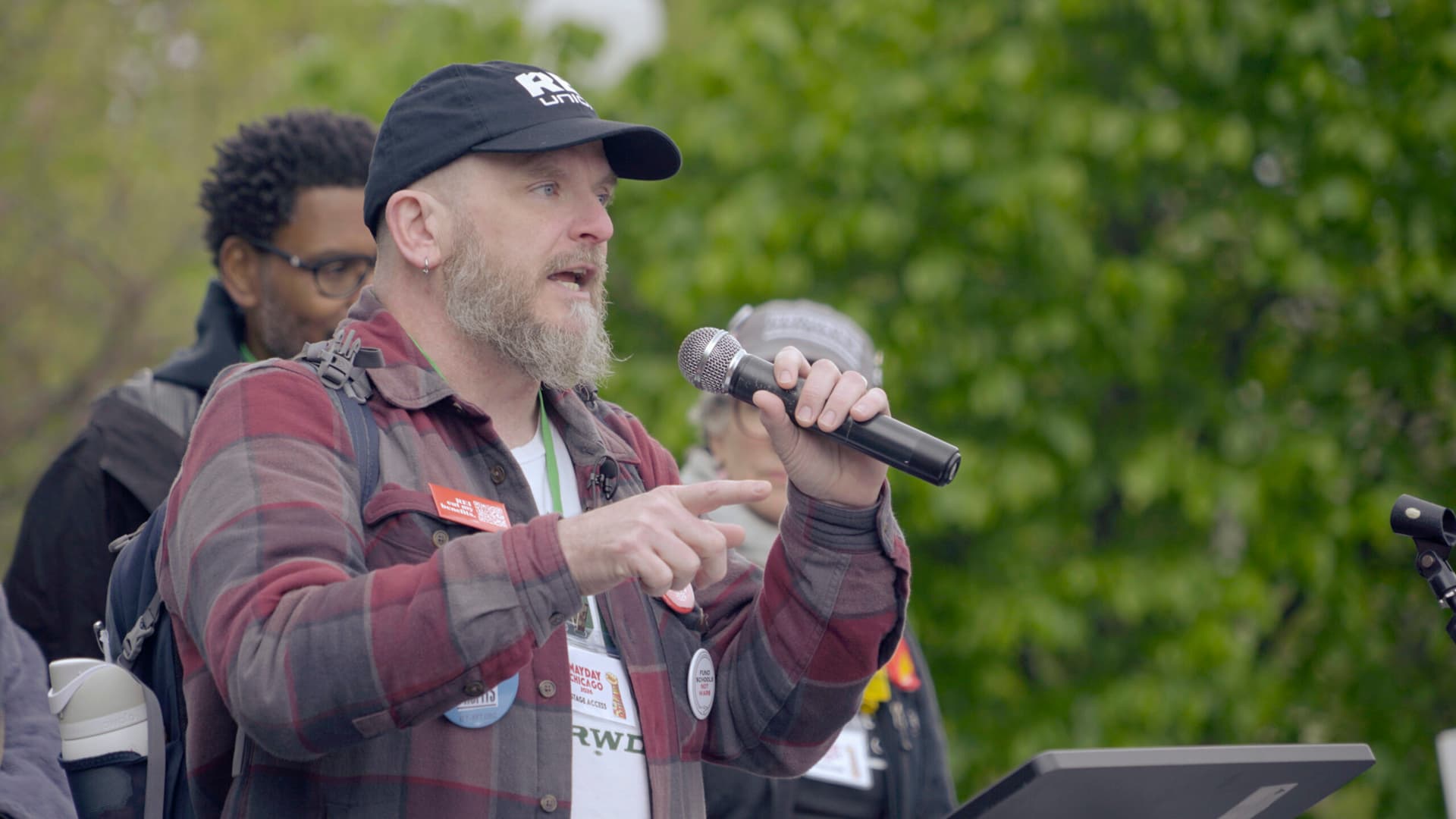
REI’s latest numbers showed a business that was holding steady on paper while its labor fight sharpened in public. The co-op said 2025 net sales reached $3.54 billion, up slightly from $3.53 billion in 2024, even as workers at 11 unionized stores backed a boycott of the Anniversary Sale set for May 15 through 25.
The dispute has been building through a string of missed deadlines and bargaining rounds. REI said it met with UFCW and RWDSU locals from April 28 through April 30 to keep negotiating toward contracts for the 11 unionized stores. In February, the company and the unions said they expected store-level agreements by the end of January 2026, but talks stalled instead. REI also said it came prepared to bargain in good faith, a message aimed at keeping the public focus on negotiations even as employees escalated pressure.
The boycott gives workers a new way to press their case because it targets one of REI’s most important sales periods. When employees organize around a high-traffic event, they are not only trying to affect revenue. They are trying to force management to reckon with how long unresolved contract talks can drag on while the company keeps presenting a stable financial picture.
That gap between corporate messaging and floor-level reality is the part Dollar General workers should watch closely. A retailer can post strong enough sales, or narrower losses, and still be sitting on a serious worker-relations problem. For store associates, district managers, and anyone trying to run a shift with too few people, the balance sheet does not explain understaffing, the strain of single-associate coverage, weak training, or the pressure that builds when customers are waiting and the line keeps growing. Those are separate stories, and REI is showing how quickly they can collide.
REI has faced public pressure before. In May 2025, members rejected the board’s unopposed, corporate-backed candidates after a union-backed Vote No campaign that supporters said drew more than 115,000 participants. That history matters now because it shows workers and allies have already used the co-op’s own governance structure to make a point. The current boycott is part of the same pattern: when management can point to stable sales but employees still feel unheard, the fight moves from bargaining rooms to the brand itself.
Know something we missed? Have a correction or additional information?
Submit a Tip