Farallon CIO shares long-term investing views in Goldman Sachs podcast
Nicolas Giauque's April 22 Goldman Sachs exchange framed long-term investing as downside control first, a message that lands with hedge fund coverage teams.

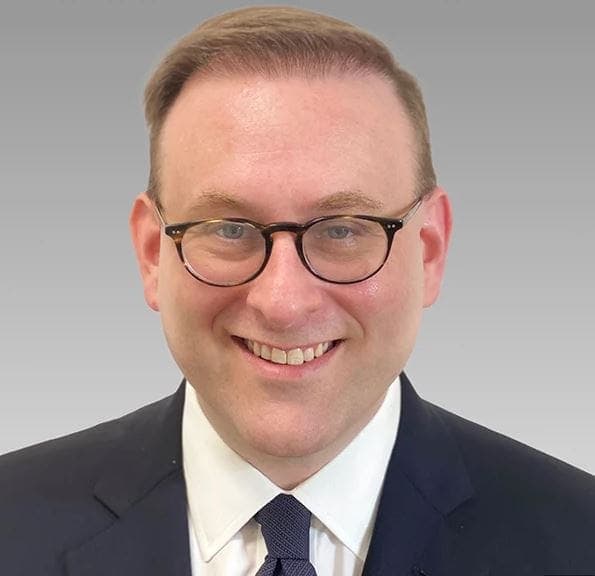
Nicolas Giauque used Goldman Sachs’ latest Exchanges episode to frame long-term investing as a process of avoiding losses before chasing gains, a message that matters inside a firm where hedge fund clients can move trading, financing and capital markets conversations.
Giauque, the managing partner and chief investment officer at Farallon Capital, was featured in an episode Goldman said focused on the investing opportunities he sees today and his view of the current market environment. The conversation was recorded on April 9 and published on April 22, giving Goldman employees a fresh read on how one of the industry’s better-known alternative investors is thinking about risk, conviction and portfolio construction.

For bankers and salespeople covering hedge funds, multi-strategy investors and alternatives clients, the lesson is less about making a bold macro call than about understanding process. Giauque’s approach fits a market in which sophisticated allocators are still asking how they can lose money before they ask how they can make it, and that changes the tone of client conversations. The sell now, think later style that often dominates public markets gives way to a more deliberate discussion of scenario analysis, downside control and the tradeoffs between exposure and optionality.
That matters across Goldman’s client franchise. Coverage teams regularly have to explain market regimes, stress-test assumptions and translate uncertainty into investable terms. A CIO at Farallon thinking in that way is a reminder that many hedge fund clients are not simply chasing directional bets. They are weighing event-driven situations, merger arbitrage and other dislocations where patience and discipline can matter as much as speed.
For senior leaders, the episode also underscores why alternative managers remain important to the broader market ecosystem. Even when geopolitics, rates and volatility dominate headlines, firms like Farallon can still deploy capital where they see structure, not just noise. For Goldman employees, that is a practical signal: the language that lands in the next meeting is likely to be the language of process, positioning and risk management, not just a one-line view on where markets go next.
This article was produced by Prism’s automated news system from verified source data, official records, and press releases, then run through automated quality and moderation checks before publishing. The system is built and supervised by the people who set the standards it runs under. Read our full AI policy.
Did this article answer your question?