Goldman backs New York small businesses pushing growth, jobs and AI training
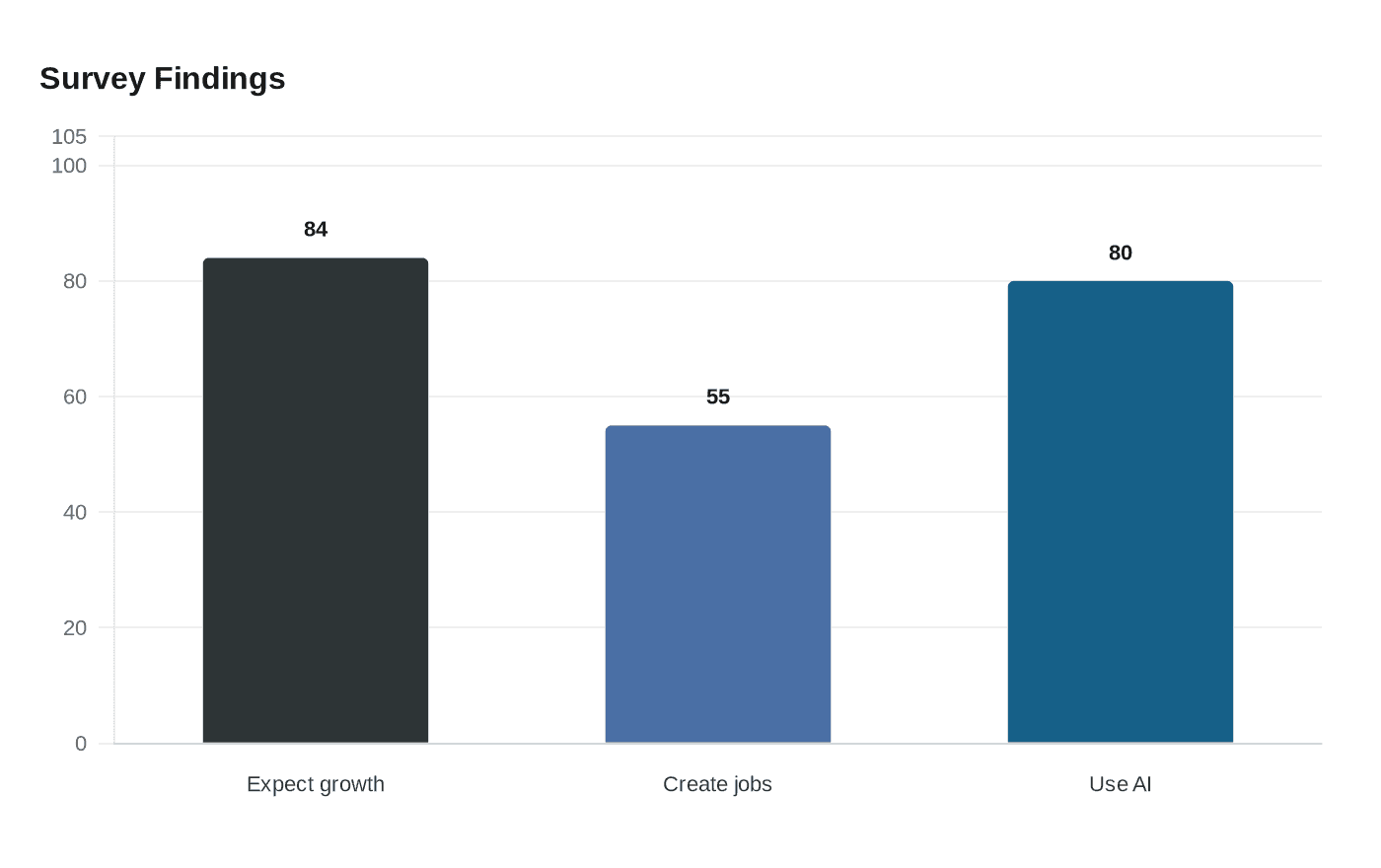
Nearly 100 New York owners pressed lawmakers for growth help, while a Goldman survey found 84% expect to expand and 80% already use AI.

Goldman Sachs brought nearly 100 New York small business owners to Albany and New York City during National Small Business Week, turning a policy push into a pointed plea for growth support, workable AI tools and relief from the costs that make hiring harder. The effort came through Goldman Sachs 10,000 Small Businesses Voices and was backed by a survey of 158 New York alumni that showed both optimism and strain.
The survey found that 84% of respondents expect to grow over the next 12 months, and 55% expect to create jobs. But the same owners said they were running into familiar limits: hiring and retaining workers, the cost of competitive benefits, and burdensome regulation. That mix captures the gap the event was built around. Small businesses are still looking for capital, but they are also asking for help turning growth plans into actual payroll, benefits and compliance decisions.

AI was part of the pitch as well. Goldman said 80% of the surveyed owners already use AI, but many want more training and resources to put it to work effectively. That is a notable detail for bankers and service teams inside Goldman who spend time with founders trying to scale operations. Adoption is no longer the question; implementation is. Owners may be experimenting with automation, but they still need support on workflow changes, governance and whether the tools actually save time or money.
The larger message was political as much as commercial. Goldman’s framing suggests that small-business owners want more than access to credit. They want a seat at the table when policymakers shape rules around hiring, training, regulation and innovation. For Goldman employees in public policy, philanthropy, community engagement and regional banking, that makes the program do double duty: it is an advocacy platform and a source of client intelligence.
That matters inside the firm because the concerns are tied directly to the business lines Goldman sells into. Smaller companies that are trying to expand need lending, cash management, advice and wealth relationships, and the pressure points in this survey are the same ones that can slow those relationships down. The result is a useful read on Main Street sentiment and a reminder that Goldman’s small-business work is not just outreach. It is also a way to stay close to the owners whose growth, staffing and technology choices shape the next round of business.
This article was produced by Prism’s automated news system from verified source data, official records, and press releases, then run through automated quality and moderation checks before publishing. The system is built and supervised by the people who set the standards it runs under. Read our full AI policy.
Did this article answer your question?