Goldman Sachs weighs how Kevin Warsh could reshape Fed policy
Goldman is treating a Warsh Fed as a real market scenario, not a headline. For desks and deal teams, the bigger issue is a possible shift in rates, guidance, and liquidity that would ripple through hiring, comp, and client work.

Why Goldman is gaming out a Warsh Fed now
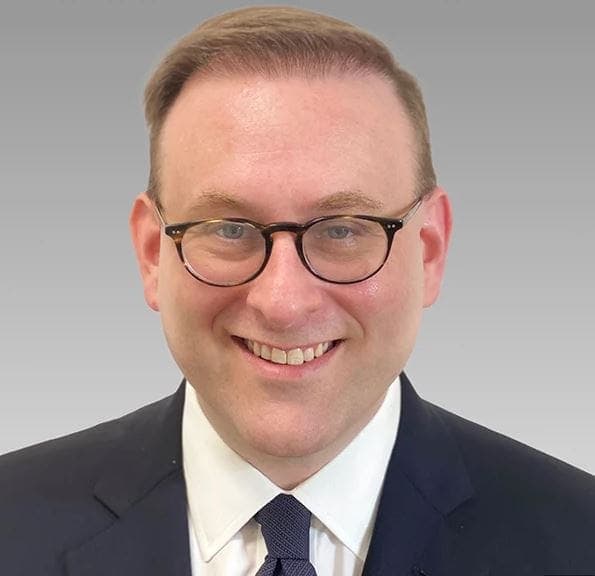
Goldman Sachs is not presenting Kevin Warsh as a campaign talking point. It is using him as a live policy scenario, and that is the more important signal for anyone working the markets. In its April 28 Goldman Sachs Exchanges episode, the firm put Rob Kaplan, Goldman vice chairman and former president of the Dallas Fed, in conversation about how Warsh might handle monetary policy, the Fed balance sheet, and communications if he becomes chair.
That framing matters because Goldman’s own research and podcast coverage already point to a Fed that is harder to read. In a May 1 market podcast, the firm described the Fed’s latest meeting as divided and gave it a hawkish tilt, a reminder that markets are already living through a more fractured policy debate. A Warsh-led Fed would not just change the name on the door in Washington. It could change how much guidance the central bank gives, how quickly it shrinks or manages the balance sheet, and how much noise traders and bankers have to digest from every statement.
Goldman also built in the usual research-style disclaimer: the discussion is informational and does not endorse any candidate or party. That may sound routine, but it is telling. The firm is clearly willing to think through a Trump nominee’s policy implications while keeping its institutional distance, a very Goldman way of signaling seriousness without picking a fight.
What a Warsh Fed could mean for rates and liquidity
For Goldman people, the central question is not personality. It is whether the Fed under Warsh would lean more hawkish, less opaque, or both. Those differences affect the yield curve, funding costs, refinancing windows, and the pricing of risk across every product desk that depends on rates moving in a predictable way.
That matters especially because the Fed’s balance sheet is still enormous. The April 29 H.4.1 release showed Reserve Bank credit at about $6.66 trillion and securities held outright at about $6.41 trillion. The Federal Reserve has long said market participants study the balance sheet to better understand how policy is implemented, and that makes balance-sheet policy an operating issue, not an academic one. If a Warsh-led Fed pushed for a different pace or style of reduction, the knock-on effects would show up in Treasury trading, repo conditions, client hedging, and the timing of issuance.
A more hawkish or less transparent Fed can also make markets choppier even when the policy rate itself does not move right away. For Goldman’s rates, financing, and macro teams, that volatility can be a two-sided trade-off: more opportunity in client flow and relative-value dislocations, but also more pressure to explain risk in real time and to avoid getting caught on the wrong side of a fast repricing.
What this changes inside Goldman
The internal lesson for Goldman employees is simple: policy interpretation is part of the job. Whether someone sits in fixed income, equity derivatives, financing, M&A, or wealth management, the ability to translate Fed language into client action is a core skill, not a side interest. A chair who changes the tone of communication can move markets before any formal rate decision does, and that means analysts and associates are expected to follow not just the numbers, but the signaling.
That is where the workplace consequences start to show up. A more volatile policy regime can mean more urgent client calls, tighter turnaround times on pitches, and more after-hours work when markets reprice around a speech, a dot plot, or a balance-sheet comment. It can also affect bonus cycles indirectly: more volatility and more client activity can be good for certain trading and financing businesses, but only if the desks are positioned correctly and the coverage is sharp enough to capture it.
For junior bankers and traders, the upside is career visibility. When rates are in flux, the people who can explain the transmission mechanism cleanly often become more valuable to senior bankers and clients alike. The downside is familiar to anyone who has lived through a noisy macro regime at Goldman: the prestige comes with longer hours, less predictability, and a heavier expectation that you are already fluent in central-bank nuance before the market opens.
The balance-sheet fight is also a communication fight
Goldman’s discussion points to a broader shift in how elite market participants think about Fed doctrine. The Federal Reserve History site says forward guidance marked a major departure from the Greenspan-era preference for flexibility. It also notes that the 1951 Accord restored the Fed’s power to make monetary policy independently of the Treasury. Those details are not trivia. They are the backbone of the modern debate over whether the Fed should guide more explicitly or preserve room to maneuver.
Warsh has long been associated with the independence argument. He served as a Fed governor from 2006 to 2011, and in a March 26, 2010 speech he addressed the theme directly in “An Ode to Independence.” That background helps explain why markets are weighing not just his stance on the policy rate, but also what he might do with the Fed’s communications posture and balance sheet in a period when investors are already reading the institution as divided.
A Warsh-led Fed could, in practical terms, mean less reliance on forward guidance and more emphasis on a narrower, more data-driven public message. That would not necessarily make the Fed easier to understand. In fact, for markets accustomed to highly managed expectations, it could mean more uncertainty between meetings and more work for Goldman strategists trying to translate sparse official language into trading and client advice.
Why the confirmation process matters to markets and careers
This is not an abstract debate about who gets a job in Washington. Reuters reported that Warsh’s financial disclosures showed assets worth well over $100 million ahead of confirmation, and that he cleared a key procedural hurdle on April 29, 2026, toward a Senate vote. Those are the kinds of details that keep the nomination in the market conversation, because confirmation risk is now part of policy pricing.
For Goldman employees, the lesson is that the market is already trying to front-run the regime change. Even if Jerome Powell remains the current standard-bearer for now, the existence of a credible Warsh scenario changes how desks think about term structure, liquidity, and the next phase of the cycle. Goldman’s decision to place the topic alongside its broader macro coverage shows that the firm sees Fed leadership as part of the same client education machine as inflation, asset allocation, and rates strategy.
That is the real workplace takeaway. At Goldman, a Fed transition is never just about the chair in Washington, D.C. It is about whether hiring plans need more macro fluency, whether client coverage needs tighter coordination, whether comp pools in rates and financing can widen or compress with volatility, and whether the next quarter looks like a smooth run or another stretch of long nights chasing a moving policy target. A Warsh Fed would test all of that at once.
This article was produced by Prism’s automated news system from verified source data, official records, and press releases, then run through automated quality and moderation checks before publishing. The system is built and supervised by the people who set the standards it runs under. Read our full AI policy.
Did this article answer your question?