Goldman CEO Solomon Predicts M&A Surge in 2026 Annual Shareholder Letter
Solomon called strategic M&A "meaningfully higher" than the five-year average, backed by $1.48T in 2025 deals and $4.6B in fees Goldman already earned.
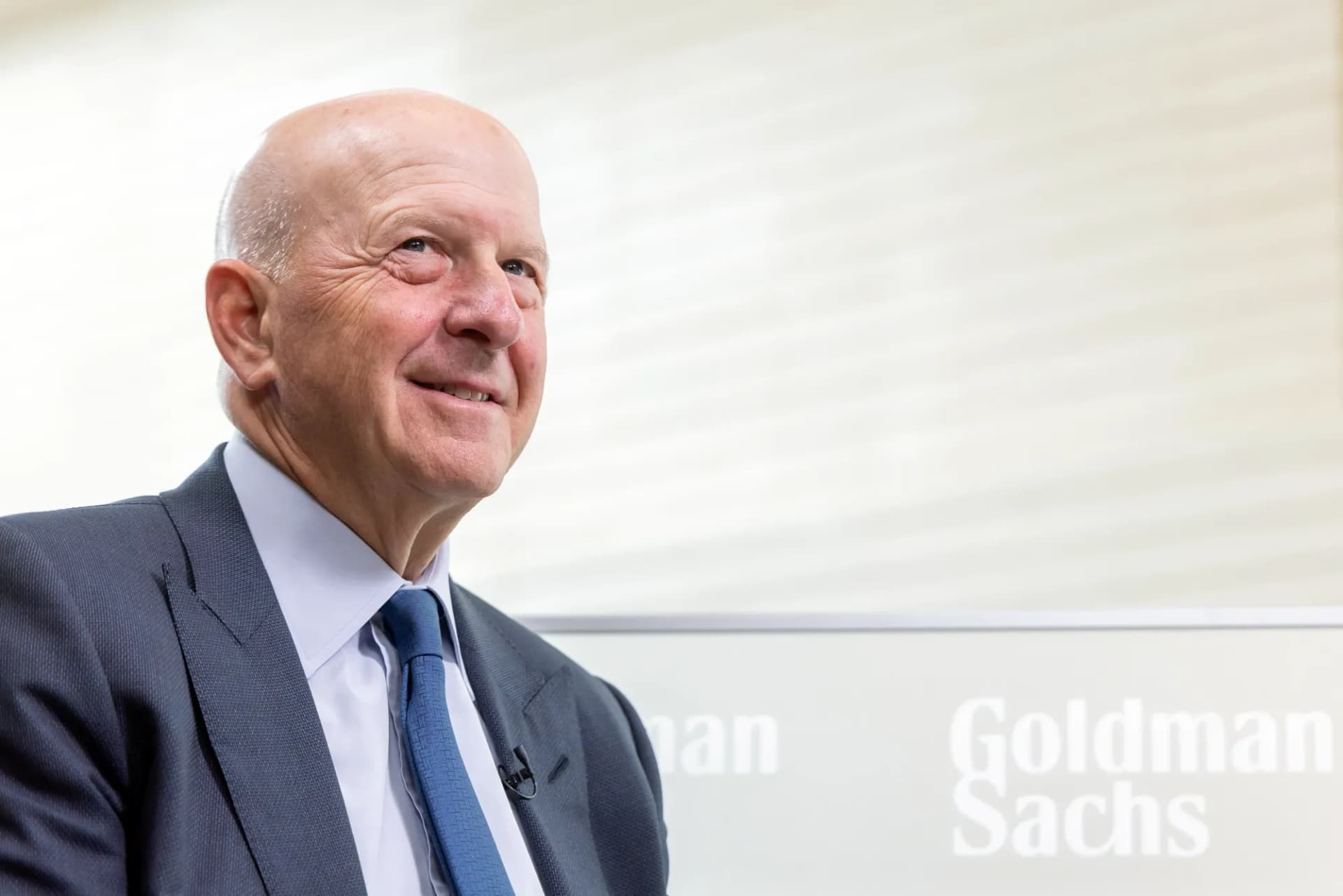
David Solomon used Goldman Sachs' annual shareholder letter, released Friday, to tell shareholders the firm sees M&A activity accelerating through 2026, even as U.S. and Israeli military action against Iran clouds the geopolitical picture. The forecast, coming off Goldman's strongest year in recent dealmaking memory, puts front-office bankers on notice that the pipeline that drove record numbers in 2025 is expected to keep building.
"While it is difficult to predict the broader economic effects of the military action by the U.S. and Israel against Iran, we still see the potential for a more constructive operating environment," Solomon wrote in the letter. He pointed to four specific tailwinds: monetary easing in developed economies, fiscal stimulus, capital investment flowing into artificial intelligence, and what he described as a more balanced regulatory regime in the United States under the Trump administration.
That regulatory shift is already reshaping deal timelines. Bankers have noted that faster closings under Trump have dissolved much of the boardroom hesitancy that defined the Biden era's antitrust scrutiny. Solomon put it plainly: "CEOs and boards are taking a much more front-footed approach as they feel more confident in executing strategic transactions."
The numbers behind Solomon's confidence are hard to argue with. Goldman advised on $1.48 trillion in total deal volume in 2025, collecting $4.6 billion in fees, and held the top spot in global M&A league tables for the year. Anchor mandates included the $55 billion leveraged buyout of Electronic Arts and Alphabet's $32 billion acquisition of cloud security firm Wiz. The firm beat Wall Street's fourth-quarter earnings expectations in January, driven by the surge in dealmaking and trading activity.
At the UBS financial services conference in Florida on February 10, Solomon singled out private equity as the next engine of deal flow. "With respect to sponsors, we've all kind of been waiting impatiently for that to accelerate. I think we're reaching a point where it's accelerating," he said. The logic: financial sponsors face mounting pressure to return capital to limited partners before launching fresh fundraising rounds, which means exit valuations are becoming less of a sticking point. "Whether they're going to the M&A market or they're getting stuff public, they've got to return more capital," Solomon said. For Goldman's leveraged finance and M&A teams, sponsor-driven exits represent a meaningful volume of mandates if that pressure translates into action.

On strategic corporate M&A, Solomon went further, saying that activity led by companies would be "meaningfully higher" than the five-year average. "There's very little to likely upset that path on the strategic stuff," he added.
The caveat Solomon built into the letter is worth reading carefully: "We expect this upswing to continue though a protracted war or another exogenous event could, of course, change the current sentiment." For bankers modeling out their year, that is the key variable. A wider Middle East conflict or another geopolitical shock would not simply slow a few processes; it would reset boardroom confidence on a global basis.
Solomon also used the letter to weigh in on U.S.-China tensions, calling for a reset that extends well beyond the current trade cycle. "Given how entwined they are, it is important that the U.S. and China reach a new modus vivendi, not just for the next 12 months, but rather for the next 10 to 20 years," he wrote. He added that while Goldman sees a roadmap for dialogue, "it remains to be seen whether that dialogue will lead to a significant agreement." The stakes of that uncertainty sharpened this week when President Donald Trump delayed his anticipated trip to Beijing to meet Chinese President Xi Jinping, with the Iran conflict still unresolved.
For Goldman's deal teams, the shareholder letter functions less as a macro forecast than as a signal about where the firm's attention and capital will be directed. If Solomon is right about sponsor-led exits and a more aggressive posture from corporate boardrooms, the 80-hour weeks of 2025 are not getting shorter.
Know something we missed? Have a correction or additional information?
Submit a Tip