Goldman-Led Lenders Assume Radford Studio Center After $1.1B Default
Goldman-led lenders took control of Radford Studio Center after a roughly $1.1 billion mortgage default, a move that could disrupt studio staff, vendors, and contractors.
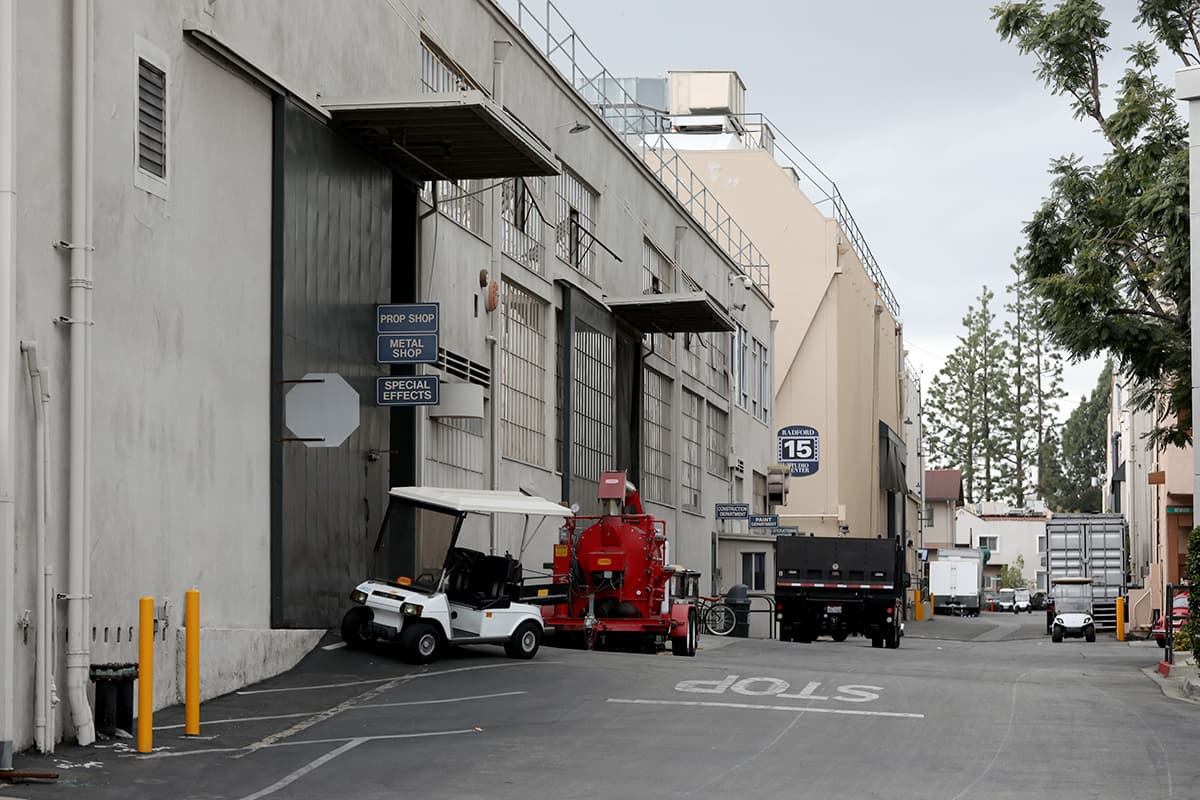
Lenders led by Goldman Sachs assumed control of Hackman Capital Partners’ Radford Studio Center after a roughly $1.1 billion mortgage default, moving from creditor toward property manager as the loan enforcement process played out. The nearly 100-year-old, 1.2 million-square-foot lot is a landmark production hub and the change in ownership raises immediate operational and employment questions for on-site crews, support staff, and local service contractors.
The default followed months of unsuccessful negotiations to modify or restructure the loan. The financing was a floating-rate facility that was squeezed by rising interest rates, and Hackman had stopped making payments once the loan reached maturity. Revenue dynamics at the site had deteriorated: mid-2025 occupancy stood at about 63 percent, the property had been appraised at $1.8 billion in 2021, and revenue reportedly covered only about 21 percent of debt servicing costs as of June 30, 2024. Roughly 36 percent of leases were scheduled to expire by August 2026, leaving a crowded renewal calendar for any new owner or servicer.
Hackman Capital said it is "working with Radford’s lenders on a path forward," which could include surrendering the property deed. That acknowledgement signals the likelihood that operational control and decision-making will shift to the lender group while they assess options ranging from stabilizing the asset to marketing it for sale. For workers, that transition can mean uncertainty over contract renewals, changes to vendor relationships, and potential cuts to site services as a new owner seeks to reduce carry costs.
Studio landlords nationwide have faced softer production volumes and rising operating costs, pressures that compound the financing stress on large legacy lots like Radford. For the facility’s day players, union crew, set builders, catering teams, and maintenance staff, the most immediate impacts will come through tenant behavior: production companies evaluating whether to renew or relocate, and whether landlords can offer competitive, short-term rates or invest in amenities that attract shoots.

For Goldman and the lender group, the move represents a shift from passive creditor to active asset steward. That can accelerate efforts to re-lease space, renegotiate major contracts, or pursue a sale to a capital partner with a longer-term studio strategy. It can also put pressure on community supply chains that depend on steady production schedules.
In the near term, workers and vendors should expect heightened uncertainty but also the possibility of new leasing incentives if lenders want to preserve occupancy. What comes next will be a test of whether financial restructuring and operational changes can stabilize a storied studio lot and keep crews working amid a tough market for studio landlords.
This article was produced by Prism’s automated news system from verified source data, official records, and press releases, then run through automated quality and moderation checks before publishing. The system is built and supervised by the people who set the standards it runs under. Read our full AI policy.
Did this article answer your question?