Goldman Sachs Brokers Major Share Buybacks for Vodafone, Lloyds Banking Group
Nearly 10 million Vodafone and Lloyds shares cleared through Goldman's London desk in one April 1 session, stressing T+2 settlement and intraday financing across a 48-hour window.
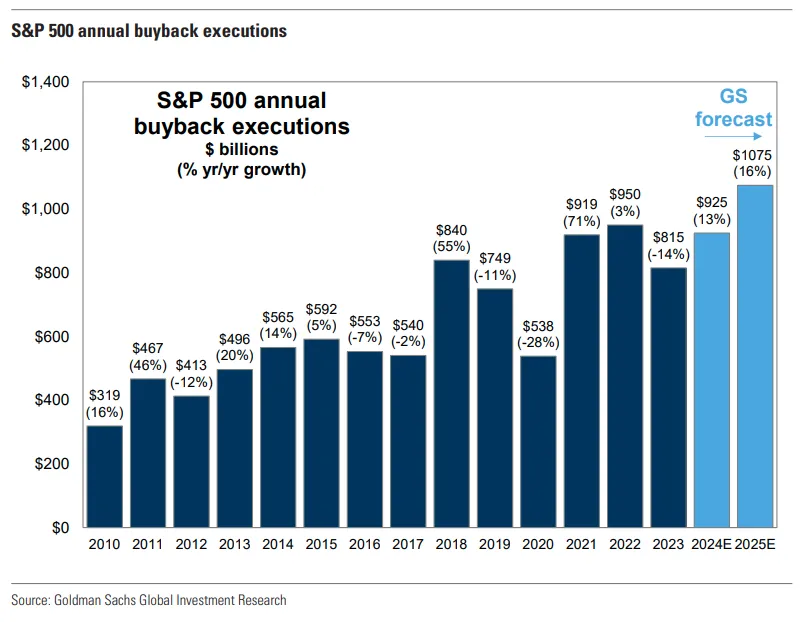
Nearly 10 million shares across two FTSE blue-chips, executed through a single London trading session: Goldman Sachs International's simultaneous buyback mandates for Vodafone and Lloyds Banking Group on April 1 offer a precise look at what large-scale corporate execution actually demands from the bank's equities infrastructure.
Vodafone's regulatory disclosure, filed April 2 via the Regulatory News Service, confirmed Goldman purchased and sold 1,322,000 ordinary shares as part of the telecoms group's existing repurchase program. Lloyds' filing, published April 1, recorded more than 8.5 million shares transacted through Goldman. Both mandates were executed under the riskless principal model, meaning Goldman stood between each issuer and the open market, absorbing short-lived but real exposure to timing, venue behavior, and execution quality before netting its position.
That model is the operational core of the story. Acting as riskless principal is not pure agency execution: Goldman must source liquidity, select and manage algorithms, and route orders across venues, while absorbing any slippage between the committed price and what the market delivers. Running two programs concurrently on the same session compounds that demand, with equities desk personnel managing FIX connectivity, intraday inventory, and market impact across both mandates simultaneously.
The settlement clock started the moment the first fill printed. UK equities settle on a T+2 cycle, meaning trades executed April 1 required final cash and securities delivery by April 3. For a combined position of nearly 9.9 million shares spread across potentially dozens of intraday fills, middle-office and settlement teams faced concentrated reconciliation pressure within that window: every line in the RNS trade schedules must match internal books before end of day, and any mismatched fill requires an escalation path that is already tested and staffed before execution begins. Fails risk, routine in stable conditions, becomes material if any market stress coincides with the settlement deadline.

Treasury and funding desks carry a parallel burden. Intraday financing must be in place before the open; inventory management must account for locate and borrow requirements if Goldman's net position moves short at any point in the session. Compliance teams run real-time checks against market abuse thresholds and confirm that each tranche of each buyback falls within the safe harbor conditions the issuers' programs were structured to satisfy.
The revenue case is clear: execution commissions on programs of this size represent reliable, recurring income for the institutional equities franchise, and corporate mandates deepen client relationships that extend well beyond a single repurchase window. But the operational load is real. Execution windows are concentrated around London market hours and corporate schedules, and the compressed cycle from trade date to settlement leaves little room for error in reconciliation or funding.
For junior traders and associates on the equities desk, programs like these are where execution credentials get built in the open. The granularity of RNS disclosures, which publish individual transaction timestamps and sizes, makes execution quality effectively public: anyone who pulls the filing can reconstruct the pace and pricing of the book. That visibility is its own pressure, but for those establishing themselves within the institutional equities franchise, live corporate mandates of this scale are the kind of reps that register in year-end reviews.
Know something we missed? Have a correction or additional information?
Submit a Tip