Goldman Sachs CEO David Solomon Admits to Owning a Small Amount of Bitcoin
David Solomon owns Bitcoin. Goldman Sachs legally cannot. That gap defines what you can say to clients and what your compliance team expects from you.
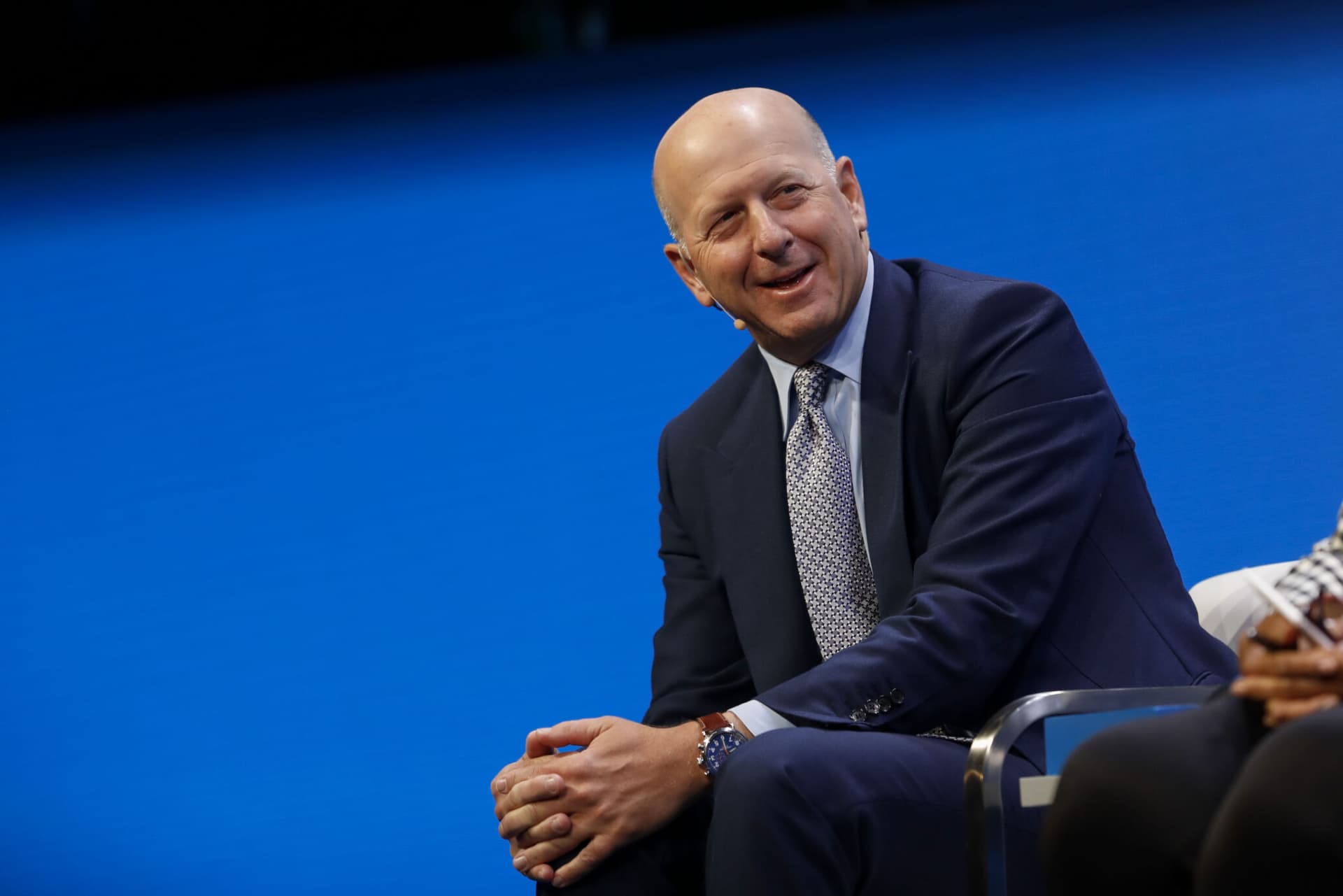
David Solomon's disclosure that he personally owns "very little, but some" Bitcoin, made at the World Liberty Forum at Mar-a-Lago in Palm Beach on February 18, landed differently inside Goldman than it did in the press. For anyone at 200 West Street already fielding client questions, the more consequential detail wasn't Solomon's personal wallet: it was the regulatory constraint he stated alongside it. Goldman Sachs cannot directly own or trade Bitcoin because of regulatory limitations on banking institutions. Solomon acknowledged this himself, adding he would reconsider if regulations change. That distinction shapes how you should frame crypto conversations with clients right now.
Solomon, 64, who took over from Lloyd Blankfein in 2018, has traveled a long distance from his prior public stance. In a 2024 CNBC interview, he told viewers he didn't "see a real use case" for cryptocurrency. At the World Liberty Forum event, hosted by Eric Trump and Donald Trump Jr., he described himself as "more of an observer than an active crypto trader" and offered a more measured acknowledgment: Bitcoin could function as a store of value, similar to gold, for some investors. He clarified he is not a "great bitcoin prognosticator." His words on the relationship between traditional finance and crypto were more pointed: "It's one system; it's our system. We have to do it the right way."
None of that signals a change in Goldman's institutional posture on direct crypto ownership. The firm has expanded its crypto-related services under Solomon, building out trading desks and custody infrastructure for institutional clients and focusing strategically on tokenization and stablecoins while awaiting clearer U.S. regulation. Those are product lines with defined institutional audiences. They are not an endorsement of Bitcoin as an asset class for retail or wealth management clients.
If you hold Bitcoin or other digital assets personally, or are considering it, Solomon's disclosure is a useful reminder of where compliance lines sit. Goldman's personal account dealing policies require pre-clearance for most securities transactions, and cryptocurrency positions have increasingly come under similar scrutiny as the firm deepens its crypto business. The operative question is whether those positions create conflicts with client business you are directly involved in. The compliance team's guidance takes precedence over any inference drawn from what Solomon said in Palm Beach.
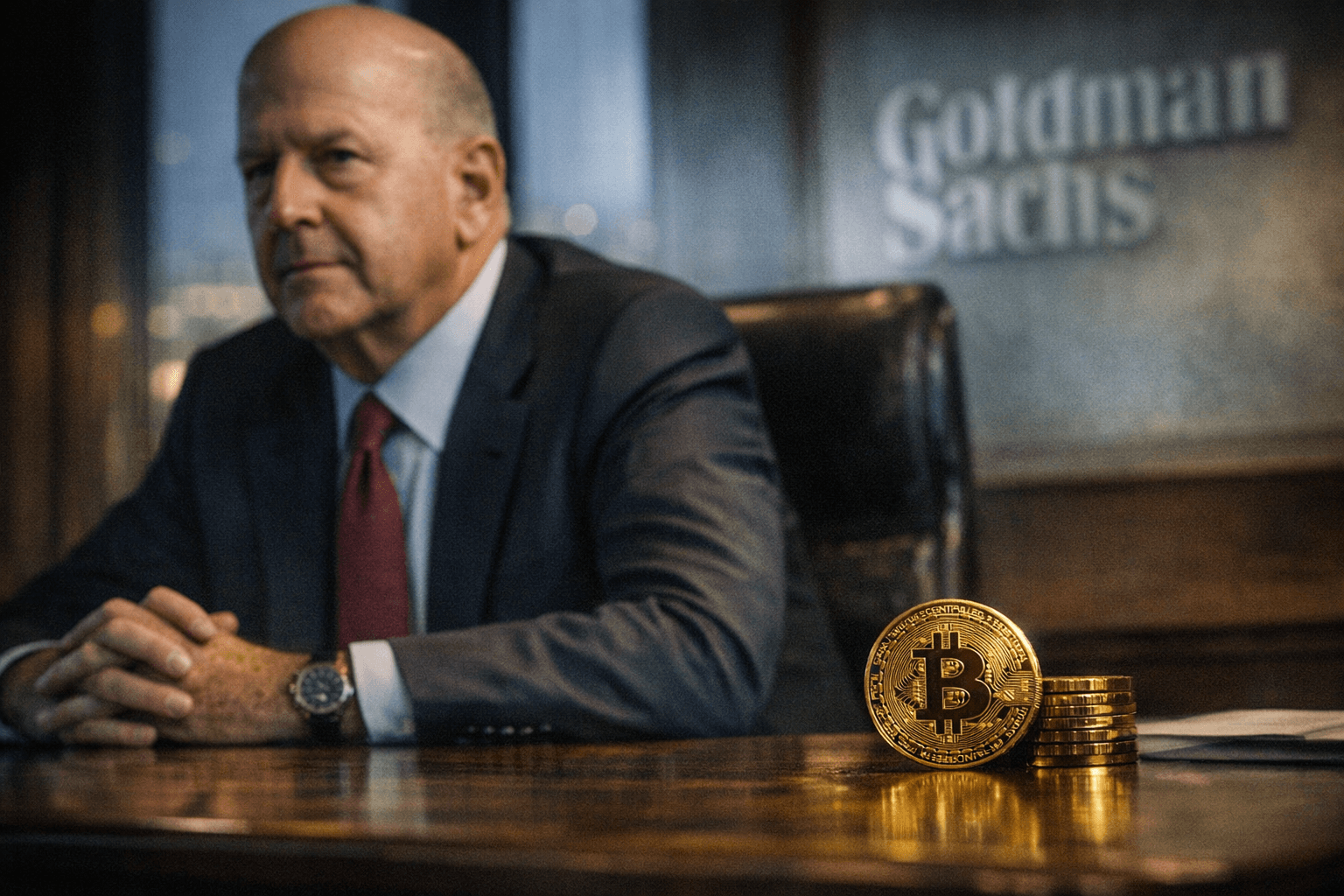
When clients raise Solomon's disclosure, the talking points grounded in what the firm actually does are the safest ground: Goldman offers institutional crypto services, including trading and custody. The firm is tracking regulatory developments closely, particularly around stablecoins and tokenization, before expanding further. Solomon said on CNBC just before the February disclosure that he is "a big believer in the US dollar" and does not see Bitcoin as a threat to it. That framing anchors the conversation in institutional strategy rather than speculative price calls on an asset trading below $70,000 at the time of his Mar-a-Lago remarks, down from recent highs.
Solomon's compensation for 2025 was set at $47 million, up from $39 million the prior year and exceeding JPMorgan CEO Jamie Dimon's $43 million, a pay package Goldman tied to what it described as its second-best revenue year on record. The contrast with Dimon is pointed: in 2021, Dimon said Bitcoin has "got no intrinsic value." The consensus on Wall Street has clearly moved since then, even if the regulatory framework governing what banks can actually hold has not caught up.
This article was produced by Prism’s automated news system from verified source data, official records, and press releases, then run through automated quality and moderation checks before publishing. The system is built and supervised by the people who set the standards it runs under. Read our full AI policy.
Did this article answer your question?