Goldman Sachs CEO Warns Credit Cycle Lives On in Private Credit Caution
Solomon's annual letter warned "the credit cycle has not been repealed" as Blue Owl fell 39% and JP Morgan marked down software loan collateral in private credit funds.
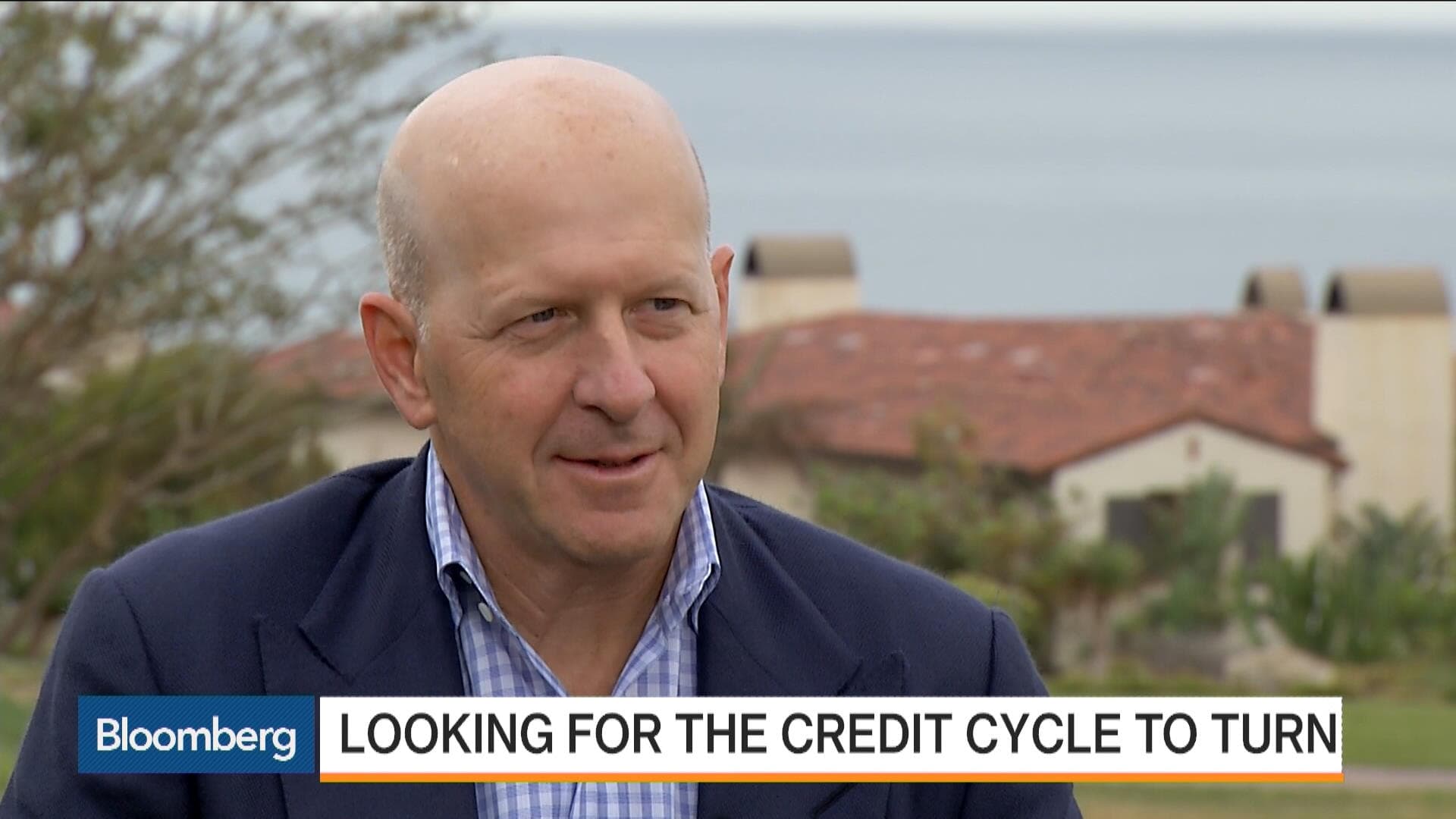
David Solomon used his annual shareholder letter to plant a flag that Wall Street's private credit boom may be running into the oldest force in finance. "The credit cycle has not been repealed," the Goldman Sachs CEO wrote, a line that landed as Blue Owl, one of the sector's largest dedicated firms, sat down 39% for the year and JP Morgan had already moved to mark down the collateral value of software company loans held by private credit funds.
Solomon's warning was specific, not generic. He pointed to two fault lines: deteriorating underwriting quality and concentrated exposure to enterprise software companies now vulnerable to AI disruption. "In recent weeks, concerns have been raised about private credit, including the quality of loan underwriting and risk exposure to software companies threatened by artificial intelligence," he wrote. The connection matters because the $1.8 trillion private credit market became deeply intertwined with software lending during the rate-hiking cycle, when non-bank lenders flooded into deals that traditional banks had stepped back from.
The AI angle adds a second-order problem. Investors are questioning whether hyperscalers are overbuilding data center capacity and whether AI will erode the recurring revenue models that made enterprise software such attractive collateral in the first place. Software valuations have already fallen sharply on those fears, and because private credit loans are marked to model rather than to market, the repricing can lag and then arrive all at once. The IMF has warned that banks' exposure to private credit means any fallout would not stay contained to non-bank lenders.
Solomon broadened his concern beyond credit fundamentals: "Elevated market volatility across various risk assets, heightened geopolitical uncertainty, and the deepening concentration of capital in AI in particular demand even more rigorous risk management."
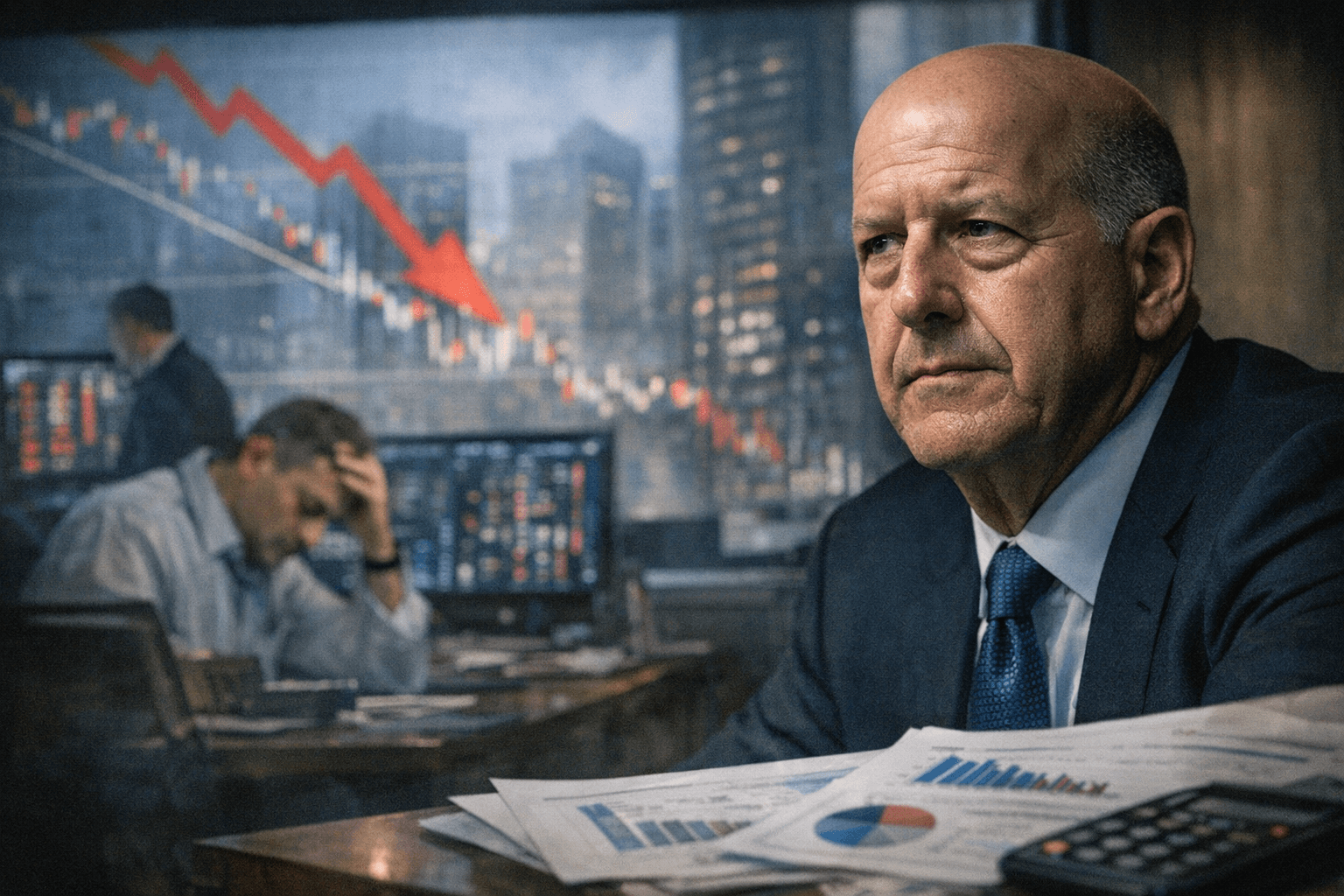
He is not alone among Goldman alumni in sounding the alarm. Lloyd Blankfein, who ran Goldman through the 2008 crisis, told a recent Citadel Securities event that "the current situation smells similar to that period," adding: "I don't feel a storm coming, but the horses inside the fence have started to bolt."
Goldman's own positioning is worth watching closely. While Solomon cautioned about private credit risk publicly, the bank has simultaneously been providing hedge funds with tools to short private credit, and has been issuing a series of senior callable medium-term notes across dollar and euro markets, locking in fixed and floating-rate funding out to the 2040s. That combination, calling out underwriting weakness while building infrastructure to trade against the asset class, suggests Goldman is managing its exposure rather than exiting the space entirely.
For analysts and associates inside 200 West, the shareholder letter signals where risk appetite at the firm is moving. Private credit has been a growth engine for asset management and alternatives revenue, but if the default cycle Solomon is flagging materializes, the deals structured and underwritten during the boom years will get scrutinized. Redemption gates and defaults have already hit several firms in the sector, liquidity constraints are spreading, and the tools Goldman is giving hedge funds to short the market suggest the firm sees more stress ahead. The credit cycle, it turns out, was just biding its time.
This article was produced by Prism’s automated news system from verified source data, official records, and press releases, then run through automated quality and moderation checks before publishing. The system is built and supervised by the people who set the standards it runs under. Read our full AI policy.
Did this article answer your question?