Goldman Sachs cuts US recession odds to 15% after Iran peace deal
Goldman cut its recession call to 15%, below its pre-conflict 20% baseline, as the Iran deal eased oil risks and labor data held up.
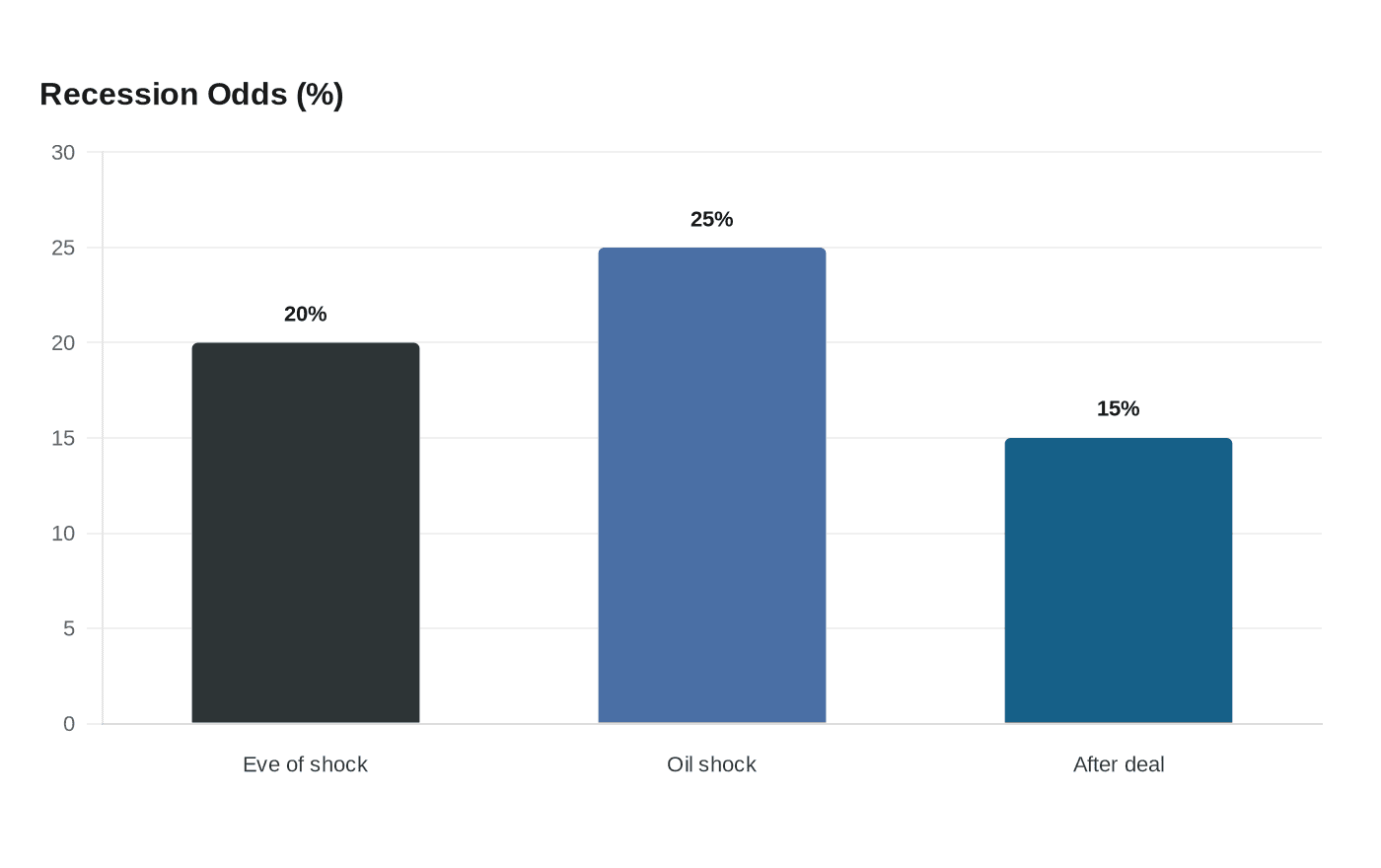
Goldman Sachs lowered its 12-month U.S. recession probability to 15% from 25%, pulling the call back below the 20% level it had set on the eve of the Iran-led oil shock. For bankers inside the firm, the shift matters because it changes the tone from defense to cautious re-acceleration: fewer recession bets mean less pressure to freeze hiring, more confidence in deal pipelines, and a better case for compensation committees to hold onto bonus expectations.
Jan Hatzius, Goldman Sachs Research’s chief economist, made the change in a note titled Global Views: More Crude, Less Concern. He tied the downgrade to reduced geopolitical risk after the U.S.-Iran agreement, lower energy prices, and a labor market that has held up better than the bank feared. Goldman said the new 15% figure matches its long-term unconditional average recession probability, which puts the bank back at its historical norm rather than in a high-alert stance.
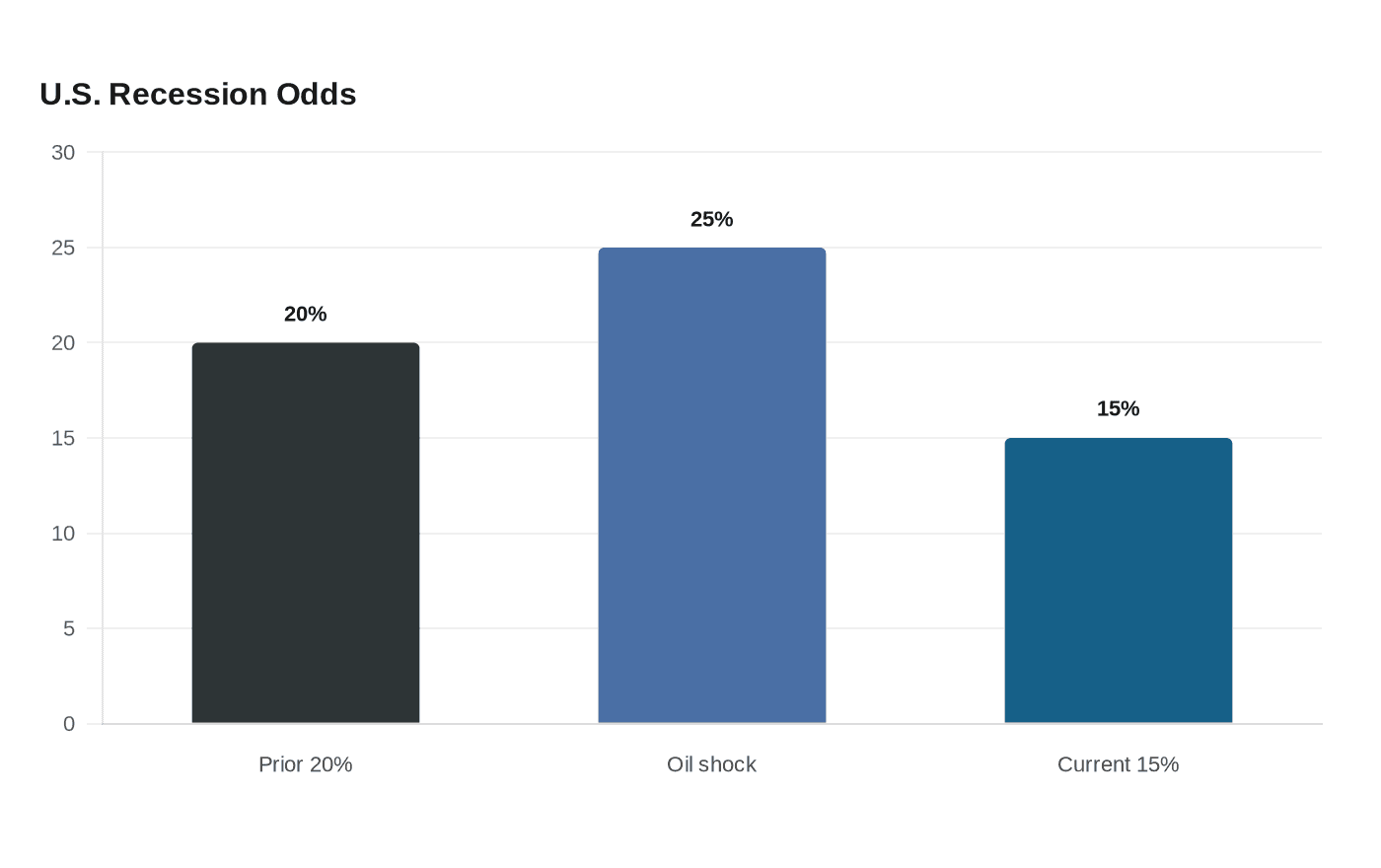
That is a meaningful change from where Goldman stood during the oil shock, when it had lifted recession odds to 25% after previously pegging the risk at 20%. The difference is not just statistical. At 25%, firms start planning for weaker capital markets, longer sales cycles, and more conservative staffing. At 15%, the message to managing directors is closer to return-to-growth pressure: keep the dry powder ready, but do not behave as if a downturn is the base case.
The latest labor data helped justify the softer outlook. The U.S. Bureau of Labor Statistics said total nonfarm payrolls rose by 57,000 in June 2026, the unemployment rate was 4.2%, and labor-force participation fell to 61.5%. Goldman had already been expecting a resilient economy in its broader 2026 outlook, which projected full-year U.S. GDP growth of 2.8%. Even then, the bank said the main risk was further labor-market softening, not a broad collapse in demand.
That leaves Goldman in a familiar position for front-office teams: still watchful, but less worried that an energy shock will cascade into a deeper credit and hiring slump. The firm’s view now suggests deal confidence should improve at the margins, especially if lower oil prices continue to support sentiment and the labor market avoids a sharper break. What remains uncertain is whether that resilience lasts long enough to matter for year-end bonuses and next year’s headcount plans.
This article was produced by Prism’s automated news system from verified source data, official records, and press releases, then run through automated quality and moderation checks before publishing. The system is built and supervised by the people who set the standards it runs under. Read our full AI policy.
Did this article answer your question?