Goldman Sachs Delays Leveraged Loan Shorting Tool, Citing Unfinished Legal and Risk Work
Goldman shelved a total-return-swap tool for shorting the $1.4 trillion leveraged loan market, leaving hedge funds mid-pitch with nowhere to put their bearish credit bets.
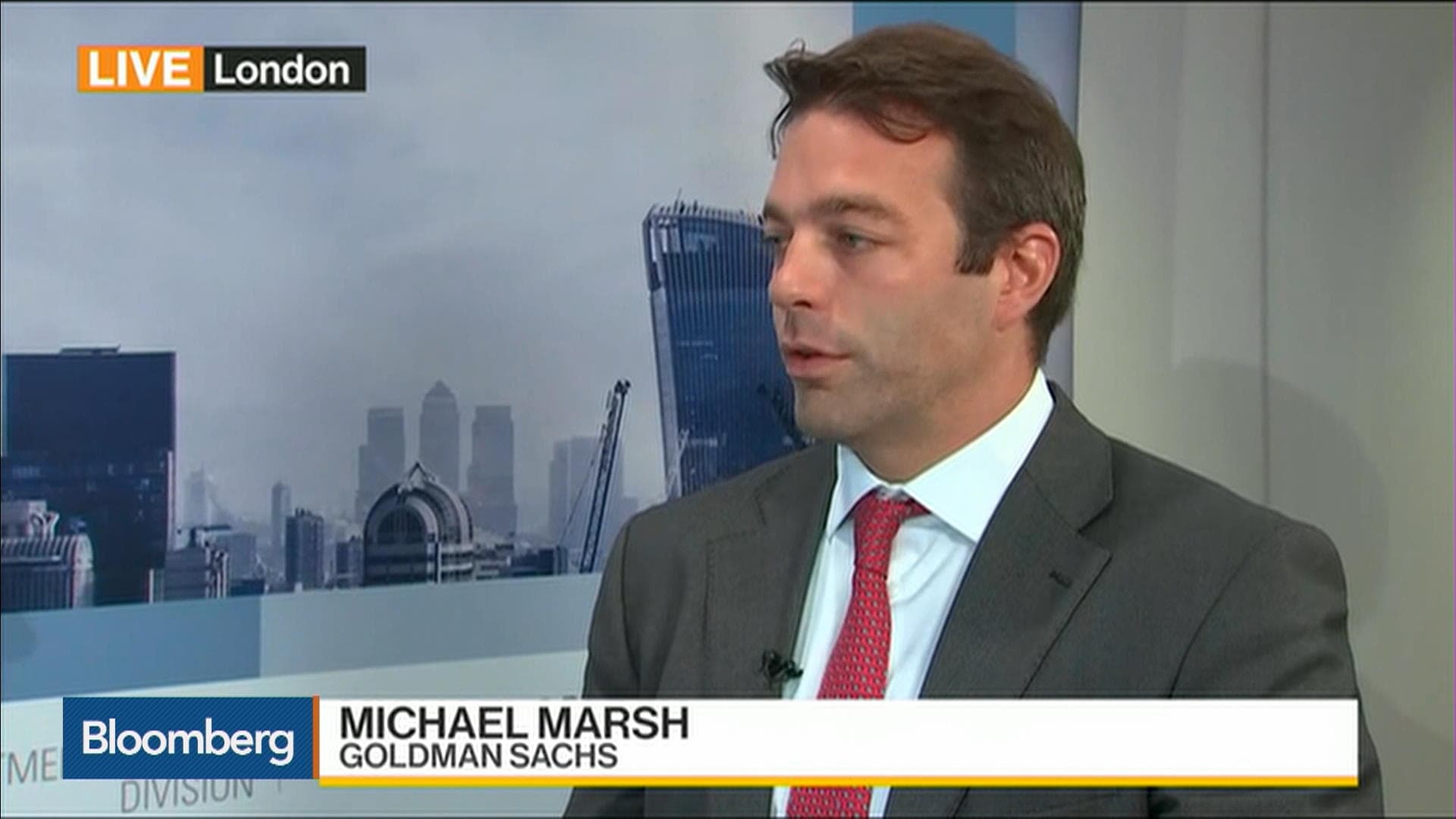
Goldman Sachs told hedge-fund clients last week that a total-return-swap instrument it had been developing to short the $1.4 trillion leveraged loan market was not ready for launch, citing unfinished legal, operational, and risk-management work. The delay came after weeks of active client pitching and arrived precisely when demand for bearish loan exposure was accelerating.
The product would have allowed investors to bet on price declines in leveraged loans without owning the underlying assets, a structurally significant capability in a market that has historically lacked a clean, scalable shorting mechanism. Leveraged loans, syndicated and illiquid by design, create friction at every step of building such a vehicle: pricing sources are inconsistent, settlement timelines exceed those in bond markets, collateral mechanics are more complex, and secondary-market liquidity can evaporate quickly when credit stress hits. "Not ready" in this context almost certainly means Goldman's legal, operational, and risk teams identified gaps that a pitch deck cannot paper over.
The demand Goldman was fielding came from hedge funds seeking short exposure to sectors perceived as vulnerable to AI-driven disruption. With rate-cut expectations shifting and default-cycle concerns rising, funds have been hunting for instruments that let them express directional credit views without the basis risk inherent in broader index products. Goldman's pause means those clients will continue routing demand through existing substitutes: CDX HY indices, loan ETFs, or bilateral total-return swaps negotiated one-off. All carry their own liquidity and execution limitations, and none offer the precision a bespoke Goldman product could have provided.
For employees inside Goldman's Prime Services, Credit Trading, and Structured Products groups, the implications are concrete. Traders and prime brokerage relationship managers who had positioned the product as a near-term revenue line now face a revised roadmap and delayed fee income. On the structured products and operations side, building consistent pricing infrastructure, settlement mechanics, and margining frameworks around syndicated loan collateral is a heavier lift than it appears at the pitch stage, and the delay signals that build is incomplete.

Legal and compliance teams are squarely in the middle. Designing a shorting vehicle for leveraged loans raises custody, disclosure, and margining issues that are considerably more intricate than for exchange-traded instruments. In a post-2022 credit environment, where regulatory scrutiny of synthetic credit structures has intensified and private credit has expanded rapidly, moving too quickly on a product like this carries reputational and liability costs that senior management appears unwilling to absorb.
The compensation implications are indirect but real. Desk-wide bonus pools tied to new product launches absorb the hit when a revenue line gets deferred. Anticipated headcount additions or incentive allocations on prime and structured credit desks may stay on hold until commercial viability is demonstrated. The tension between origination teams eager to capture client demand and risk and compliance functions tasked with slowing them down is a recurring dynamic in Goldman's product development culture; it is rarely more visible than when a high-profile macro narrative collides with the operational reality of building infrastructure in an illiquid market.
If clients shift their hedging business to competitors willing to move faster, or simply entrench in CDX and ETF markets out of necessity, Goldman risks ceding ground in a product segment central to its credit franchise ambitions.
This article was produced by Prism’s automated news system from verified source data, official records, and press releases, then run through automated quality and moderation checks before publishing. The system is built and supervised by the people who set the standards it runs under. Read our full AI policy.
Did this article answer your question?