Goldman Sachs doubles down on Middle East bets as war fallout lingers
Goldman Sachs said its Middle East support was "unwavering" as Gulf wealth funds with about $5 trillion under management kept Wall Street engaged.
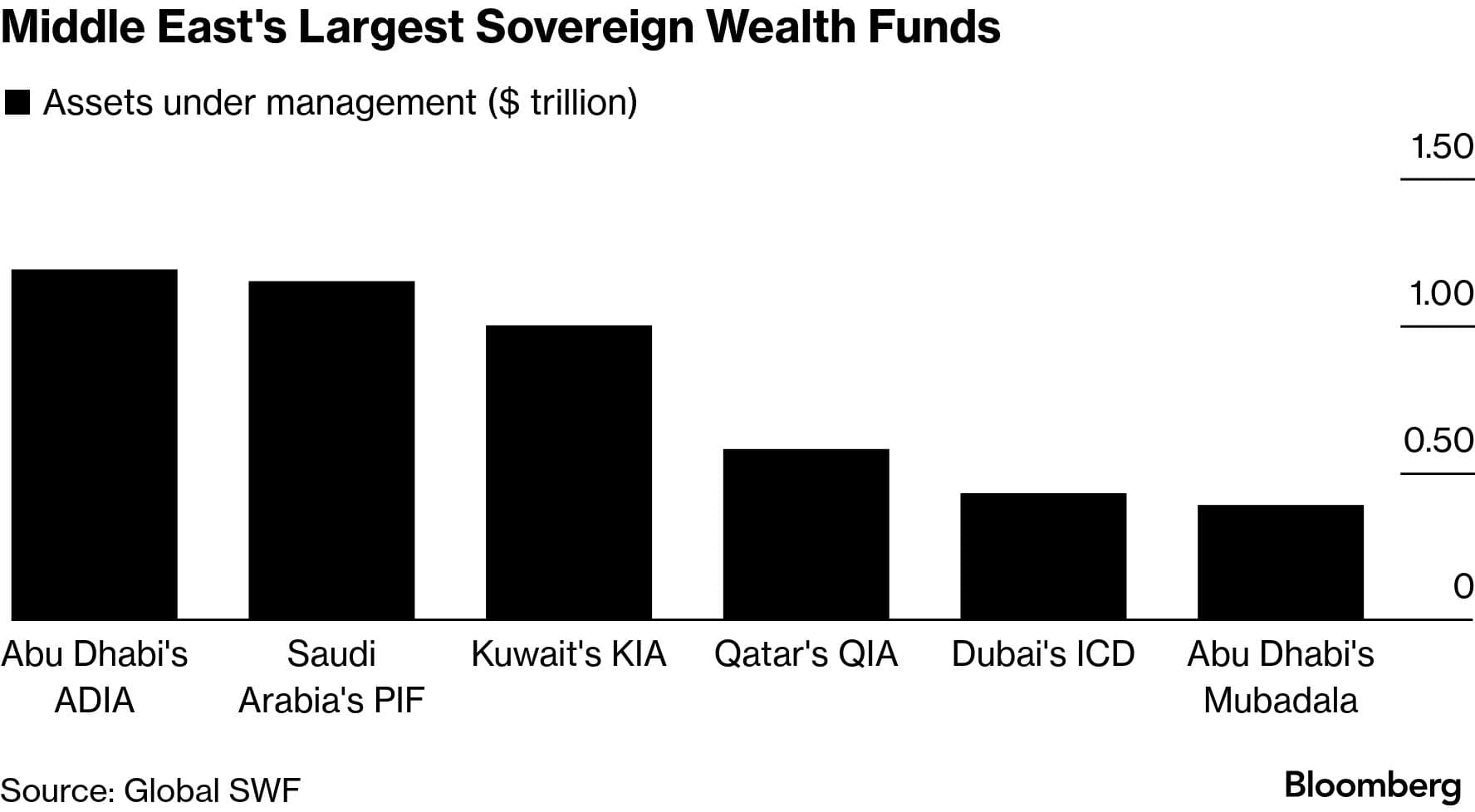
Goldman Sachs said its support in the Middle East was "unwavering" as war fallout kept rattling the Gulf, where sovereign wealth funds collectively manage about $5 trillion and still dominate Wall Street’s hunt for mandates.
The message matters inside Goldman because the region is no longer being treated as a quick fundraising stop. Sovereign wealth funds in the Gulf increasingly expect banks and asset managers to show up repeatedly, maintain local offices and keep senior staff on the ground. For Goldman bankers, that means more time in the region, more pressure on travel schedules and less room to work the market from London or New York alone.

The calculation is sharper because the conflict has turned a growth market into a risk test. Wall Street executives have been asking what happens when a region that powered a dealmaking boom also becomes the source of instability, with Iran aiming missiles at major cities across the Gulf. Even so, the prevailing bet is that prolonged conflict will not derail privatizations or push Gulf wealth funds to pull capital inward.
Blackstone reinforced that view with a $250 million commitment tied to a UAE payments-infrastructure platform, one of the first inbound Gulf private equity deals since the attacks began. Jon Gray said the firm saw "significant opportunity to deploy capital at scale in the UAE ... despite near term headwinds." The deal landed shortly after a U.S.-Iran ceasefire, underscoring how quickly capital moved when sponsors believed the region would hold.
Outside observers said the UAE’s overseas investment strategy was unlikely to be hit as hard as some others in the region. Steffen Hertog, a professor at the London School of Economics and Political Science, said the UAE would want to signal it was open for business and that building foreign partnerships had become even more important.
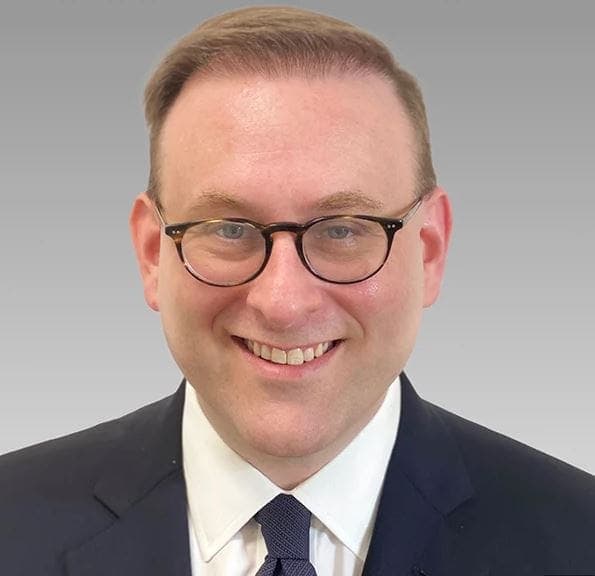
For Goldman, the Gulf push runs through senior leaders such as Anthony Gutman, co-CEO of Goldman Sachs International and global co-head of investment banking. The firm’s stance signals that the region remains central to client coverage, fee generation and the kind of relationship banking that can shape bonuses, promotion tracks and exit opportunities for bankers who spend the most time there.
This article was produced by Prism’s automated news system from verified source data, official records, and press releases, then run through automated quality and moderation checks before publishing. The system is built and supervised by the people who set the standards it runs under. Read our full AI policy.
Did this article answer your question?