Goldman Sachs weighs further US stock gains after ceasefire rally
Goldman traders see more upside in U.S. stocks after the ceasefire rally, but they warn the move was squeezed, fragile and still tied to oil risk.
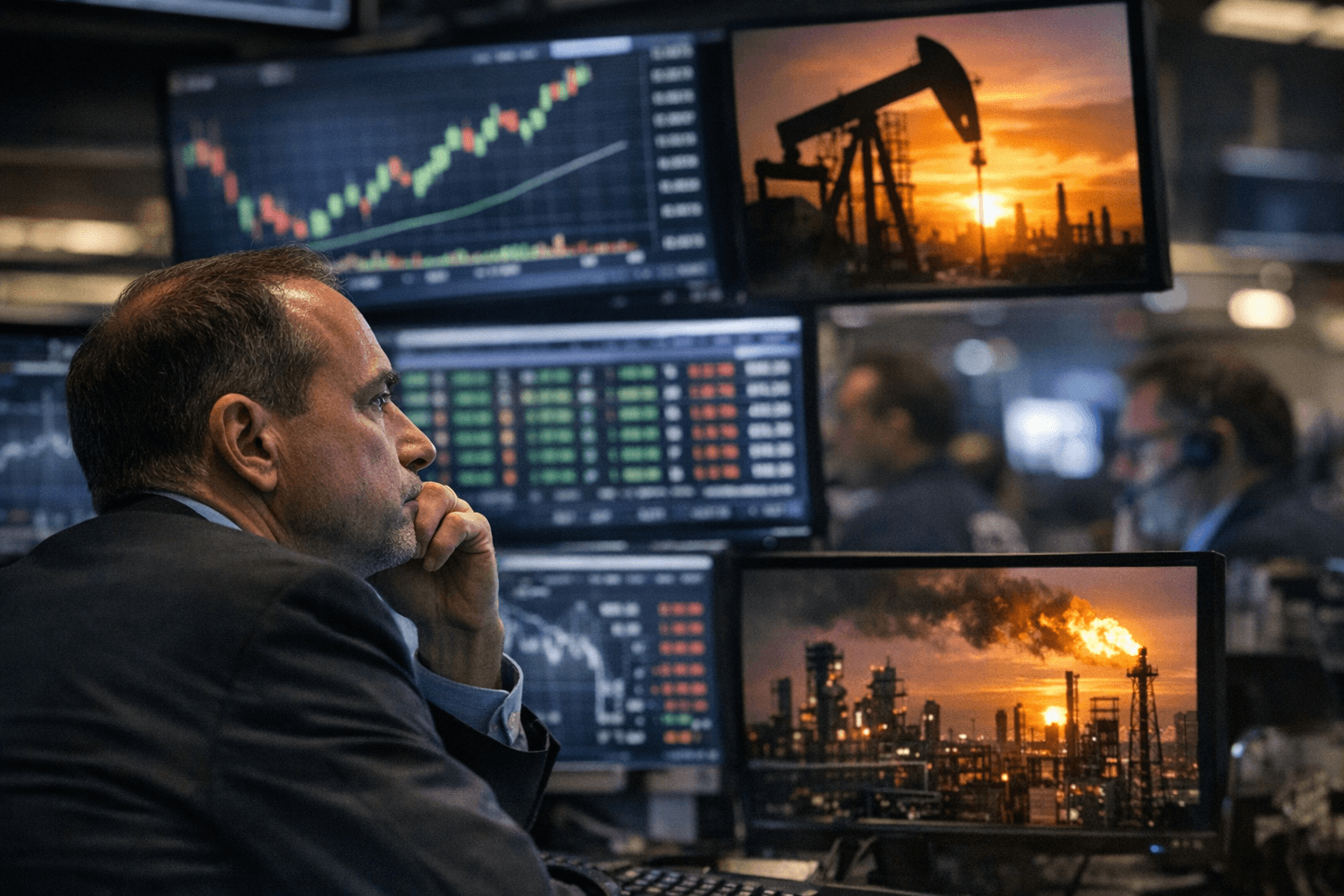
Goldman Sachs traders said the ceasefire-fueled jump in U.S. equities could still have room to run, even after the S&P 500 rose about 2.3% intraday and the Nasdaq 100 climbed about 3% on news of a two-week Iran ceasefire announced by President Donald Trump on social media. The firm’s read was not simple celebration. It was a warning that the rally had been driven as much by positioning as by conviction.
Matthew Kaplan and other Goldman traders described the move as a “squeezy macro tape,” with hedges and short positions being unwound into strength. That kind of flow can extend a rally quickly, especially when systematic strategies are forced to chase, but it can also leave desks exposed if the market turns. Inside Goldman, the difference between a clean trend and a crowded squeeze is not academic. It shapes risk, timing and how long traders stay comfortable leaning into the move.
Richard Privorotsky, a Goldman Sachs International partner, said CTA demand “kicks in mechanically” and can keep supporting risk assets while volatility compression persists. He also cautioned that “ceasefires are fragile by definition.” His view captured the tension in the tape: equities had already retraced much of the earlier drawdown, which made it easier for investors to look past the immediate Iran shock, but it did not remove the geopolitical backdrop that triggered the selloff in the first place.
Goldman reinforced that message in a markets video titled “Iran Ceasefire: What’s next for markets?” recorded April 8 with Tony Pasquariello, Joshua Schiffrin and Dominic Wilson. The discussion said markets had surged after de-escalation, but a “war premium” remained. The group pointed to downside risks that still mattered to investors, including the possibility that energy costs could feed back into inflation and complicate the rate outlook.
Goldman Sachs Asset Management has said the primary transmission channel from Middle East conflict to markets is oil, and it flagged the Strait of Hormuz as a key chokepoint, widely cited as carrying roughly one-fifth of global petroleum liquids consumption. That is why the market’s first instinct may be to buy the dip, but the next trade still depends on whether the ceasefire holds. Jim Cramer called the market “incredibly overconfident,” while Michael O’Rourke of JonesTrading framed the rally as a possible selling opportunity. For Goldman staff, the message is blunt: the ceasefire may have powered the squeeze, but the risk premium is still alive.
Know something we missed? Have a correction or additional information?
Submit a Tip