Goldman Sachs report spotlights flexible benefits, retirement options, financial wellness
Employers are adding more ways to steer retirement savings, PTO, and stock benefits, a useful benchmark for Goldman employees weighing comp against workload.
What this report signals for Goldman employees
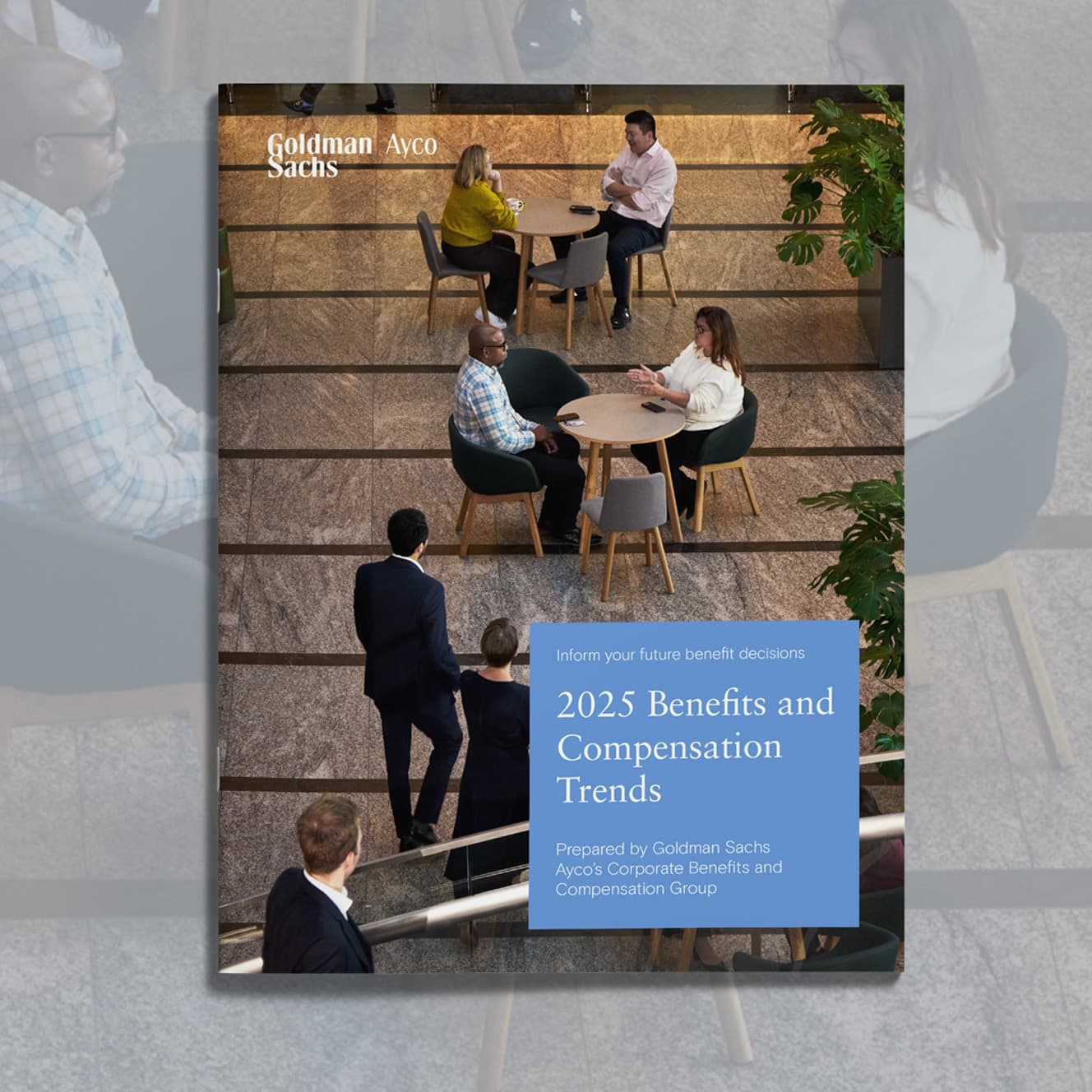
Goldman Sachs Ayco’s annual benefits and compensation trends report scans more than 400 corporate partners, which makes it more than a benefits checklist. It is a live read on where employers are moving their money and attention, and that matters at a firm where people often judge an offer by bonus size alone. The bigger story is that companies are competing less on one headline number and more on how much control employees get over taxes, savings, and day-to-day financial strain.
For analysts, associates, VPs, and managing directors, that is the right lens. In a place where long hours can make a comp package feel abstract until year-end, the features that actually change life are the ones that affect liquidity, retirement planning, family needs, and how painful the workload feels in practice. This report suggests the most competitive employers are building around flexibility and financial wellness, not just salary and stock grants.
Retirement design is getting more flexible
One of the clearest shifts in the report is the move toward more optionality in 401(k) design. Employers are leaning into features like Roth in-plan conversion and managed account tools, which give workers more ways to shape how retirement money is taxed and invested. That is a meaningful change for high earners, especially people whose compensation can swing with bonus cycles and who need to think beyond the current year.
Roth in-plan conversion is especially relevant for employees who want more tax diversification over time. Instead of forcing everyone into the same savings path, employers are giving workers a way to decide whether to pay tax now or later, depending on their own earnings expectations and cash flow. Managed account features point in the same direction: workers are being handed more help, but also more choice, in how to invest for the long term.
For Goldman employees, that is not a theoretical perk. At a financial-services firm, retirement design is part of the total comp equation, and it is one of the few benefits that can compound quietly over a career. If peer employers are adding more flexibility here, it raises the bar for what a serious total rewards package should look like.
PTO is no longer just time off
The report also shows employers experimenting with ways to redirect PTO into other financial goals. That can mean using time-off value to make student loan payments, boost retirement savings, or contribute to an HSA. It is a small shift with a big signal: companies are acknowledging that workers do not always need another generic benefit, they need help solving whatever is constraining them now.
That matters in jobs where time is already scarce. In banking, a week off can be hard to take and even harder to convert into something useful if your bigger pressure point is debt or medical costs. Turning unused PTO into a financial tool is one way employers are trying to make benefits feel less ceremonial and more practical.
For employees at Goldman, this is the kind of feature that changes how you think about the package. If you are focused on student debt, building retirement balance, or padding an HSA, the ability to route value where you need it can matter as much as another modest increase in cash comp. It also tells managers something important: employees often value flexibility because it gives them a little more control in a job that offers plenty of intensity and not much margin.
Stock and ownership features are still part of the competitive pitch
The report notes that employee stock purchase plans remain common at many public companies. That is a reminder that employers still see ownership as part of the retention and wealth-building formula, especially for workers who want a more direct link between company performance and personal finances. For firms in and around financial services, that trend reinforces how much employees think about comp in long-run terms, not just this quarter’s paycheck.
Employee stock purchase plans are not the same thing as a year-end bonus or a restricted stock award, but they are part of the same conversation about building wealth inside the job rather than outside it. For Goldman people, that matters because career decisions are often made with an eye toward not just prestige and deal exposure, but also whether the role creates durable financial upside. A company that makes it easier to own stock is sending a clear message about how it wants employees to participate in value creation.
That also gives managers a useful benchmark. If peers are still using ownership features to attract and keep talent, then total compensation should be discussed as a broader system, not a single payout moment. The firms winning that competition are the ones making ownership understandable and usable, not just symbolic.
Voluntary benefits remain common because they fill real gaps
The report says voluntary benefits are still widespread, including group legal, accident insurance, critical illness coverage, and pet insurance. These are not flashy offerings, and they are not meant to be. Their staying power says something about how employers are trying to fill in gaps around family life, unexpected expenses, and the kind of everyday risk that does not show up in a base-salary debate.
That matters because a strong paycheck does not eliminate financial stress. A legal issue, a medical scare, an accident, or a pet emergency can still hit hard, and workers often want benefits that help soften those shocks without forcing them to shop for separate coverage on their own. When companies keep these options in the mix, they are acknowledging that workers want protection that fits actual life, not just a polished benefits brochure.
For Goldman employees, the takeaway is straightforward: the value of a package is not only in how it looks on paper, but in how many real-life scenarios it covers. In a high-pressure environment, the practical appeal of these add-ons is that they can reduce friction when something goes wrong at home, which can matter as much as any formal wellness slogan.
What this means when you compare offers or stay put
The broader lesson from the report is that employers are moving toward personalization. They are trying to make benefits feel more tailored to the worker, whether that means more control in retirement, more ways to deploy PTO, or more optional coverage for specific life needs. That is a real change in what a competitive package looks like, and it should change how Goldman employees evaluate their own jobs.
If you work at Goldman, the right question is not only whether your pay is competitive in the market. It is whether the rest of the package helps you manage tax burden, save for the future, protect your family, and create some flexibility in a job that can otherwise swallow your time. That is where the pressure point is now, and it is why this report matters to anyone trying to understand how serious employers are competing for talent.
This article was produced by Prism’s automated news system from verified source data, official records, and press releases, then run through automated quality and moderation checks before publishing. The system is built and supervised by the people who set the standards it runs under. Read our full AI policy.
Did this article answer your question?