Goldman Sachs says AI is reshaping software around measurable outcomes
Goldman says software is moving from seats to outcomes, forcing bankers to test revenue models, ROI and defensibility. That changes pitches, staffing and promotion signals.
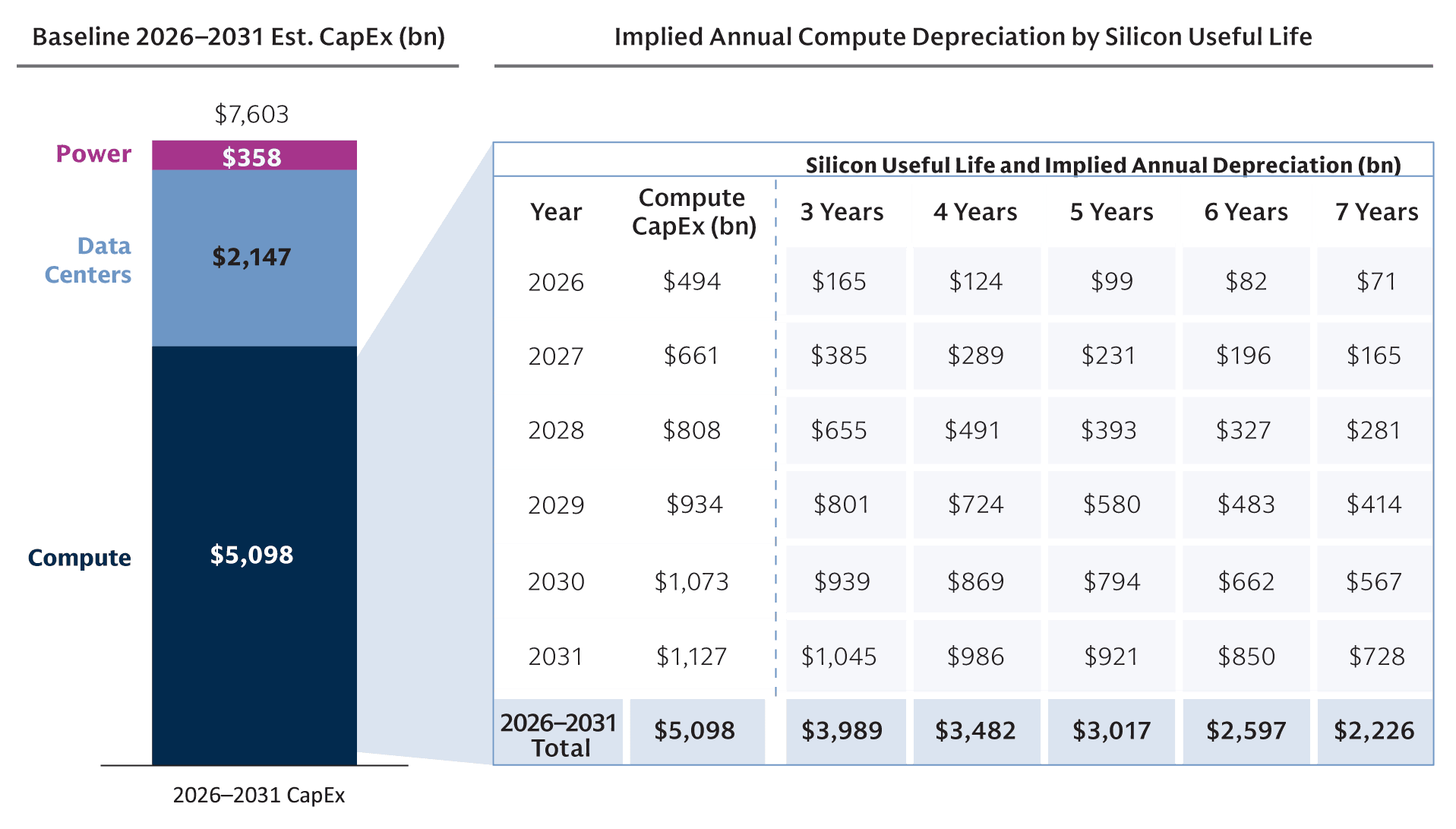
In a May 7, 2026 PDF titled “Redefining Software for an Outcome-Driven Future,” Goldman Sachs told software bankers to stop treating AI as a feature add-on and start valuing it as a reset in how the business makes money. AI-native and agentic architectures were pushing the sector from selling products to delivering measurable outcomes, with Brian Cayne and Joe Porter arguing that incumbents need more than incremental updates and must go through a fundamental “refounding.”
From seats to outcomes
A software company that used to be judged on recurring revenue, seat growth and stickiness now has to prove what it actually does for the customer, how fast that value shows up, and whether the pricing structure captures it. The stack is being reorganized around utility and measurable results, which means a cleaner product story is no longer enough if the economics do not hold up.
Goldman’s March 9, 2026 report, “Will AI Eat Software?”, warned that AI agents could take over the profit pool in software. That is a direct challenge to the assumptions that have long driven software coverage at Goldman, where bankers have relied on recurring revenue, high gross margins and predictable renewal behavior to support valuation work. If agents and models make pieces of the product easier to replicate, then the old comfort around pricing power gets tested fast.
What changes in the pitch room
For analysts and associates building software decks, the shift is practical, not philosophical. A company that calls itself AI-enabled now needs a sharper answer to three questions: what outcome it delivers, how quickly customers see ROI, and how defensible the product stays if models and agents become more commoditized. That changes the way comps are framed, the way margin pressure is discussed, and the way bankers explain the gap between growth and durability.
It also changes how Goldman approaches M&A, fundraising and strategic alternatives. A “static multiple” story is harder to defend when the product is being reassembled around workflows, automation and measurable output. The more relevant pitch may be one that shows product transformation, contract redesign and the tradeoff between fast adoption and long-term defensibility.
- Does the software generate a measurable business result or just save clicks?
- Is revenue tied to seats, usage, transactions or performance?
- How much of the value comes from proprietary workflow, data or distribution?
- If a rival model improves, does the company still have a moat?
The diligence questions now look different:
What it means for teams inside Goldman
The shift also changes what gets rewarded inside a coverage group. The bankers who can explain why “AI-native” changes both the revenue model and the operating model become more valuable than the ones who can only repeat a growth narrative. That means more demand for people who can connect product design to revenue recognition, churn, contract structure and customer economics, because those are the levers that now determine whether a software company deserves a premium multiple.
Software teams are measured less on shipped features and more on the measurable result they create for users. That makes instrumentation, customer outcomes and workflow integration more important than feature count. Engineers and product managers who can work across data, model orchestration and customer ROI will be more valuable than those focused only on incremental releases.
Incumbent leaders are being pushed to rebuild around new architecture, not just bolt AI onto an existing product. In practice, that can pull in more cross-functional work between product, engineering, sales and finance, because the commercial model has to match the technical model. It can also affect career paths: people who can translate technical change into revenue impact are likely to have more upward mobility than people who stay in a narrow feature lane.
Goldman’s broader AI thesis is bigger than software
The software piece sits inside a wider Goldman AI framework. Goldman Sachs Research warned on March 9, 2026 that AI agents could capture the software profit pool, and another Goldman piece, “AI Agents to Boost Productivity and Size of Software Market,” argued that AI can expand the market even as it changes who keeps the economics.
Goldman’s “How AI is re-platforming the economy” material said enterprises were increasingly demanding open platforms across data and compute and that AI was shifting power toward those layers while transforming developers’ roles. In its broader AI commentary, Goldman has also described AI as a force that could raise productivity, change the size of the market and rework how companies buy software in the first place.
The same theme appears in Goldman Sachs Exchanges content recorded on March 6, 2025, where Marco Argenti discussed AI and the workplace. The firm has been connecting “AI natives” to the future of work across its platform.
This article was produced by Prism’s automated news system from verified source data, official records, and press releases, then run through automated quality and moderation checks before publishing. The system is built and supervised by the people who set the standards it runs under. Read our full AI policy.
Did this article answer your question?