Goldman Sachs says women, minority pay at 99 percent of peers
Goldman says its latest review put women and U.S. minority employees at 99 percent of peers, but the real story is the annual process behind the number.
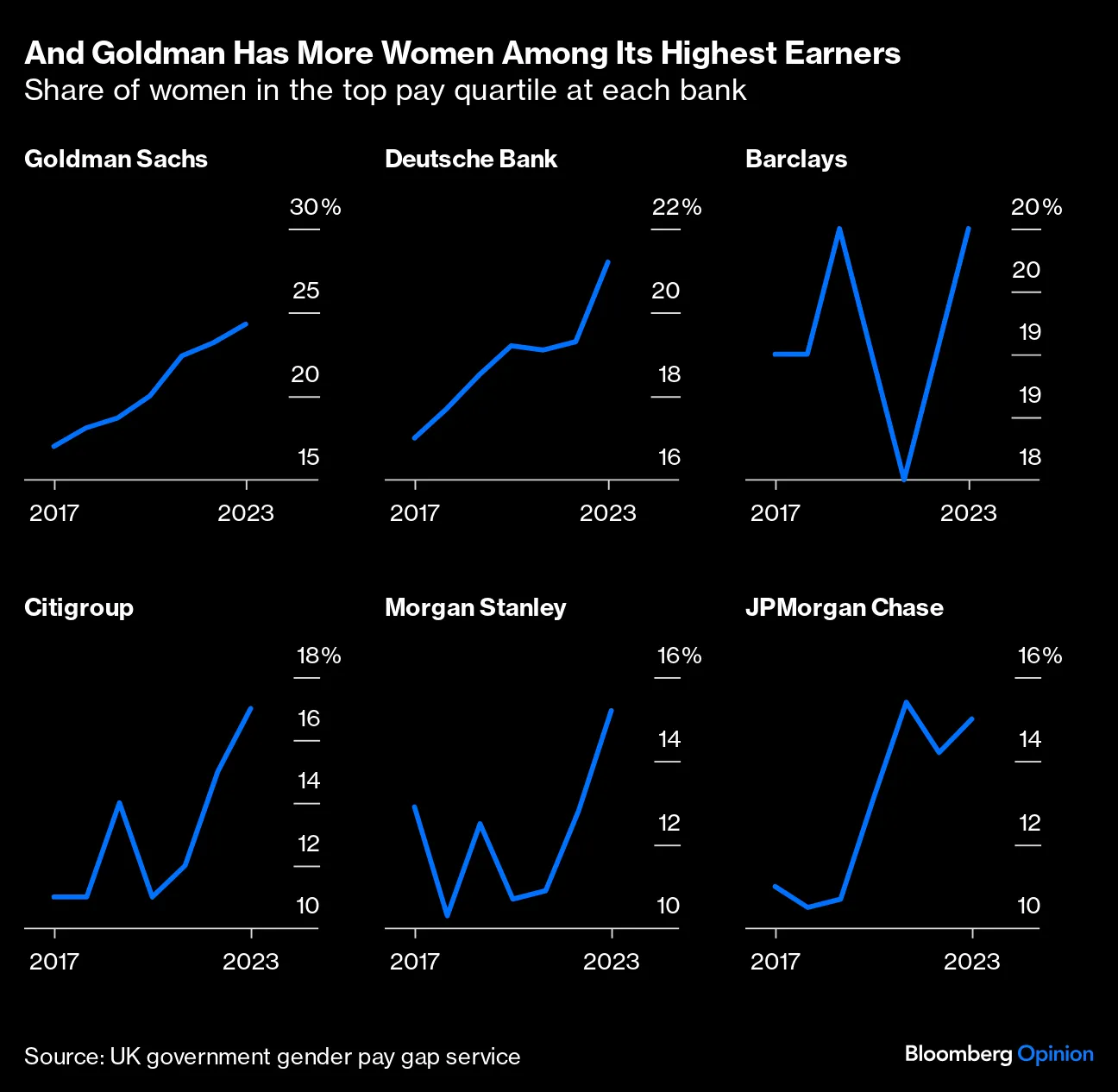
Goldman Sachs says women globally and racial and ethnic minorities in the United States earned 99 percent of the median pay of their peers, a result that puts the bank’s compensation review process under a brighter light than the headline alone.
The firm says its pay policies are designed to compensate employees fairly regardless of gender, race or ethnicity, and that it reviews compensation before finalization each year with Legal and Human Resources leading a robust analysis supported by a third-party labor economist. Goldman says the 2023 review took role, tenure, location and impact into account, which matters for analysts, associates and VPs who know pay is rarely judged on a single dimension at the bank.
That distinction is the point. A 99 percent median figure suggests near parity, but it does not answer every question employees ask during bonus season or promotion talks. It does not show how pay is distributed inside each level, how much of compensation comes from base salary versus bonus, or how moving from one seat to another changes the math. Goldman’s own framing makes clear that the firm sees pay equity as a structured annual exercise, not a simple public scorecard.
The bank also said it will keep publishing gender and race pay-gap information each year and will report annual EEO-1 demographic data in its People Strategy Report later in the year. That folds pay equity into a broader reporting cycle on talent, representation and benefits, giving managers a reminder that compensation decisions are not treated in isolation.
The disclosure lands in a governance climate shaped by shareholder pressure. In 2024, about 31 percent of shareholders backed a proposal calling for Goldman to report annually on racial and gender pay gaps, after investors pushed for both adjusted and unadjusted median figures. Goldman has argued that unadjusted numbers can mislead if they ignore role, tenure or geography, while investor advocates say adjusted figures can hide structural gaps.
The backdrop is not theoretical. Goldman agreed to pay $215 million to settle a gender bias lawsuit, a fact that keeps compensation transparency high on the list of workplace concerns for employees and investors alike. It also comes after Goldman walked back a policy that had barred it from taking public companies with all-male, all-white boards, while describing its aspirational hiring and representation goals as five-year initiatives set to expire in 2025.
For employees inside the firm, the message is straightforward: Goldman is willing to disclose some numbers, but it is still choosing the frame. The 99 percent figure is reassuring on its face. The harder question is whether the process behind it is catching the gaps that matter most in pay, promotion and retention.
This article was produced by Prism’s automated news system from verified source data, official records, and press releases, then run through automated quality and moderation checks before publishing. The system is built and supervised by the people who set the standards it runs under. Read our full AI policy.
Did this article answer your question?