Goldman Sachs sees AI, geopolitics, and energy waves driving commodities in 2026
Goldman is betting AI-fueled power demand and US-China rivalry will keep copper and gold central in 2026, even as oil stays under pressure.
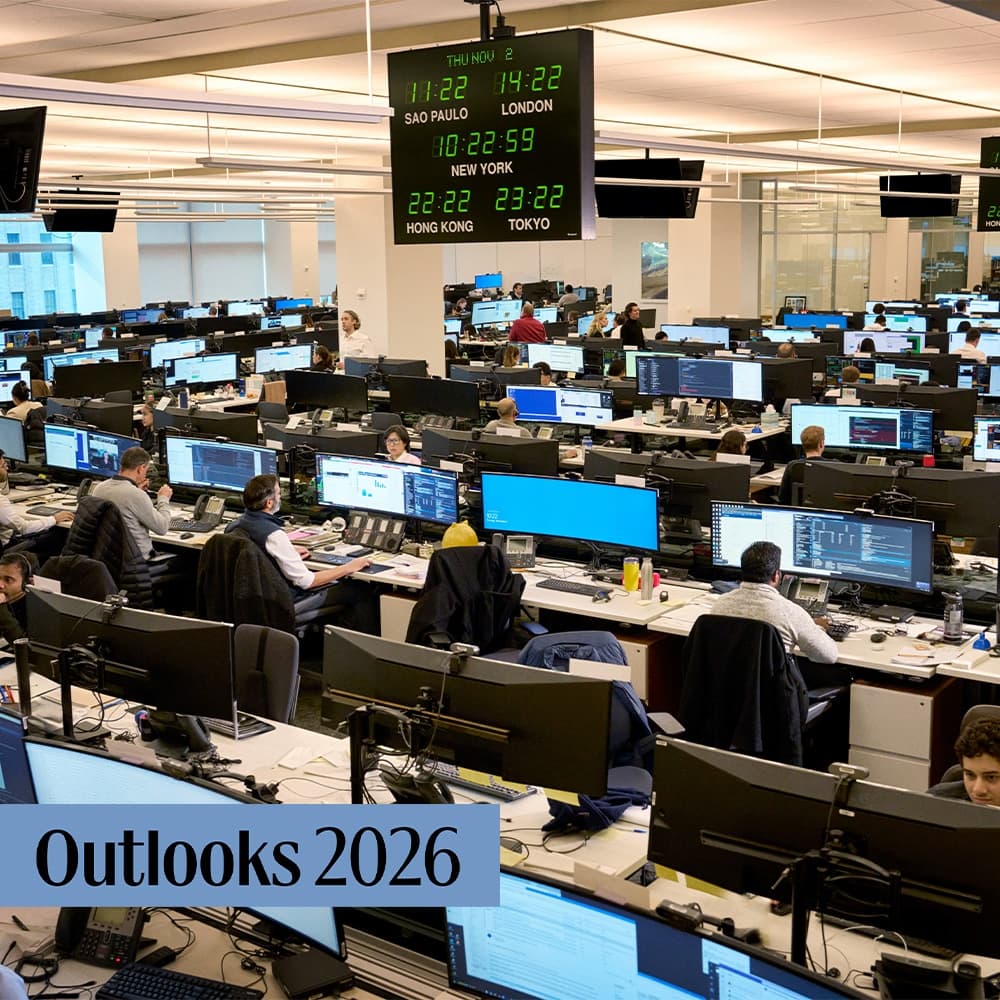
Goldman Sachs is telling clients that 2026 commodities will be shaped less by a classic demand cycle and more by two bigger forces: the US-China AI and geopolitical power race, and global energy supply waves. That is the core message of its Commodity Views 2026 outlook, published on December 18, 2025, and it matters well beyond the commodities desk because it puts electricity, grids, metals, and power infrastructure at the center of the firm’s strategic thinking.
The headline is simple, but the implications are not. Goldman’s base case assumes sturdy global GDP growth and another 50 basis points of Fed rate cuts in 2026, a backdrop it says should support top-down commodity returns. The bank also pointed to the strong run commodities already had in 2025, with the Bloomberg Commodity Index up about 15%, powered by strong industrial and precious-metals performance that offset modestly negative energy returns. In other words, Goldman is not describing a broad commodity boom. It is picking winners, and the winners are increasingly tied to AI buildout and power scarcity.
Copper sits at the center of that view. Goldman’s research says copper prices may ease somewhat in 2026 from recent record highs, but the longer-term case remains intact because grids and power infrastructure still need more metal. That distinction matters inside Goldman because it separates short-term price calls from the larger trade around electrification, data centers, and industrial capex. For anyone covering energy, metals, industrials, or power-related financing, the message is that the old playbook of watching only China demand or oil inventory swings is no longer enough.
Goldman is also making a sharp call on gold. Reuters reported that the bank sees the metal at $4,900 an ounce by December 2026 in its base case, and Goldman’s outlook calls gold its single favorite long commodity. The bank expects central-bank buying to stay strong and says further private-investor diversification could add upside risk. That kind of call tends to ripple through portfolios, hedges, and client conversations far beyond the commodities group.
The larger backdrop helps explain why Goldman is leaning this way. The U.S. Department of Energy said domestic energy use from data centers was expected to double or triple by 2028. The U.S. Energy Information Administration said U.S. electricity use should rise 1% in 2026 and 3% in 2027, calling that stretch the strongest four-year growth period for electricity demand since 2000, driven by data centers. The International Energy Agency has made a similar point, tying rising electricity consumption to AI, data centres, and other technological innovations. For Goldman employees, that means the most relevant commodity conversations in 2026 are likely to orbit power, metals, and geopolitics, not just barrels and bushels.
Know something we missed? Have a correction or additional information?
Submit a Tip