Goldman Sachs sees Asia data center boom, power supply as key bottleneck
Goldman says Asia’s data-center boom will hit a power wall, forcing bankers to focus on grid access, permitting and where projects can actually be built.
Goldman Sachs expects China's data-center demand to grow at a 20% compound annual rate from 2025 to 2028, but the harder question in Asia is not demand. It is whether firms can secure power fast enough to turn AI enthusiasm into real projects.
Goldman Sachs Research said the opportunity extends well beyond China, with India, Japan, the Philippines and the Singapore-Indonesia-Malaysia triangle emerging as the region's most important growth nodes. The note used SIJORI, short for the Singapore-Johor-Riau Growth Triangle, to describe the cross-border ecosystem centered on Singapore, Johor in Malaysia and the Riau Islands in Indonesia. Across those markets, Goldman said power supply is perhaps the chief constraint on expansion.

That constraint changes what matters inside Goldman. Coverage bankers and sector specialists need to know where clients can actually build, not just where they want to build. Equity and credit teams have to follow which markets have usable power, workable regulation and scalable permitting, while regional teams in Asia can use the framework to pitch Goldman as an adviser on the full stack of AI infrastructure, from project economics to financing structure.
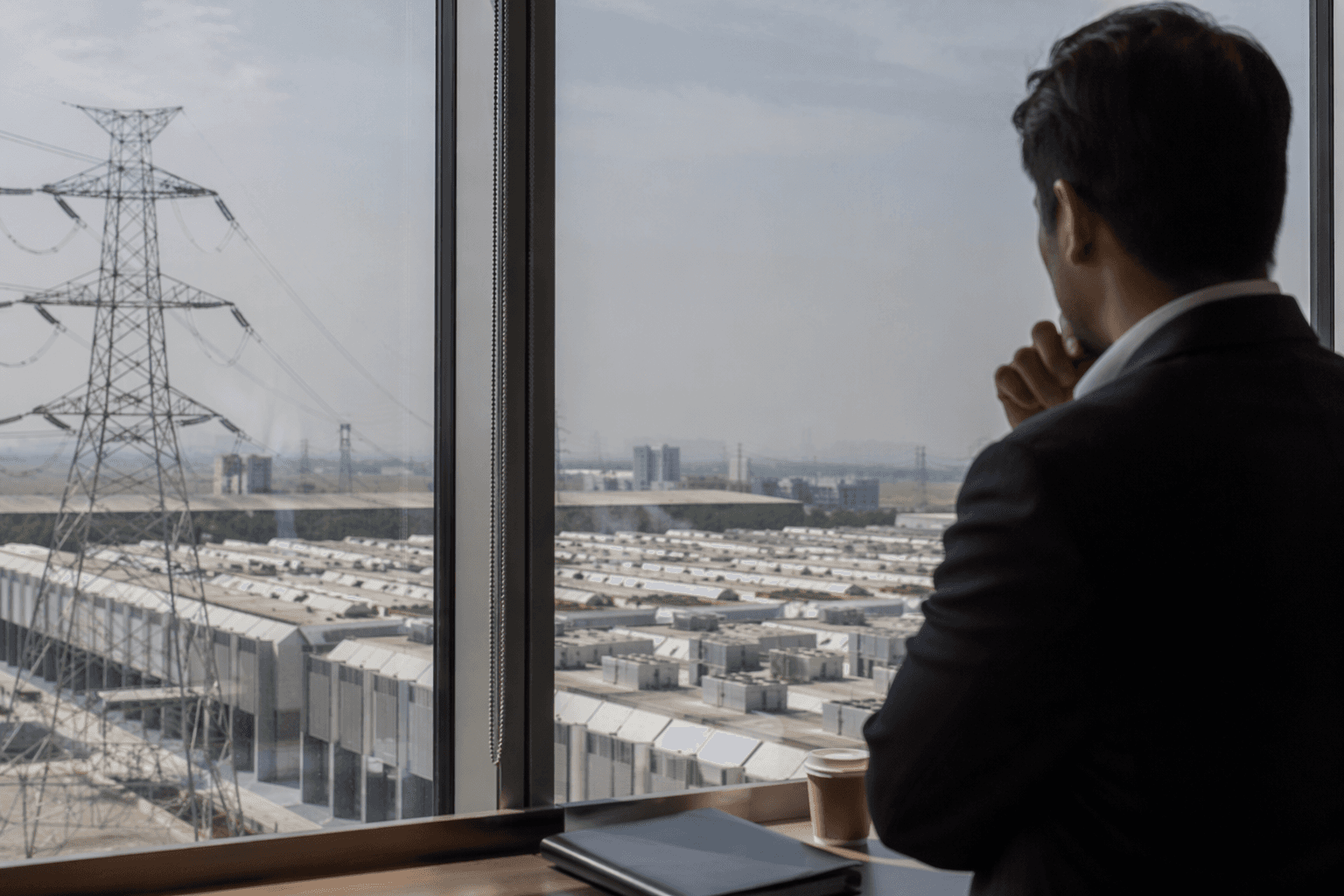
The backdrop is a region that is already straining to catch up with demand. CBRE says the Asia Pacific data-centre market is in an unprecedented boom, driven by AI implementation, cloud adoption and digitalisation. JLL says average wait times for a grid connection in primary data-center markets now exceed four years. Wood Mackenzie puts more than 32 GW of planned data-center capacity across more than 1,150 projects into the pipeline, a scale that is already reshaping how power grids are planned across Asia-Pacific.
For Goldman employees, the strategic read-through is bigger than one research note. The firm has already said global power demand from data centers could rise 165% by 2030 versus 2023 levels, and later raised that forecast to 220%. In Asia, that makes the AI trade look less like a software story and more like a capital-allocation and infrastructure race, one that can influence where research headcount sits, which markets get priority and which cross-border careers become more valuable as the region's buildout runs into the limits of land, grids and permits.
This article was produced by Prism’s automated news system from verified source data, official records, and press releases, then run through automated quality and moderation checks before publishing. The system is built and supervised by the people who set the standards it runs under. Read our full AI policy.
Know something we missed? Have a correction or additional information?
Submit a Tip