Goldman Sachs sees higher energy costs squeezing consumer spending power
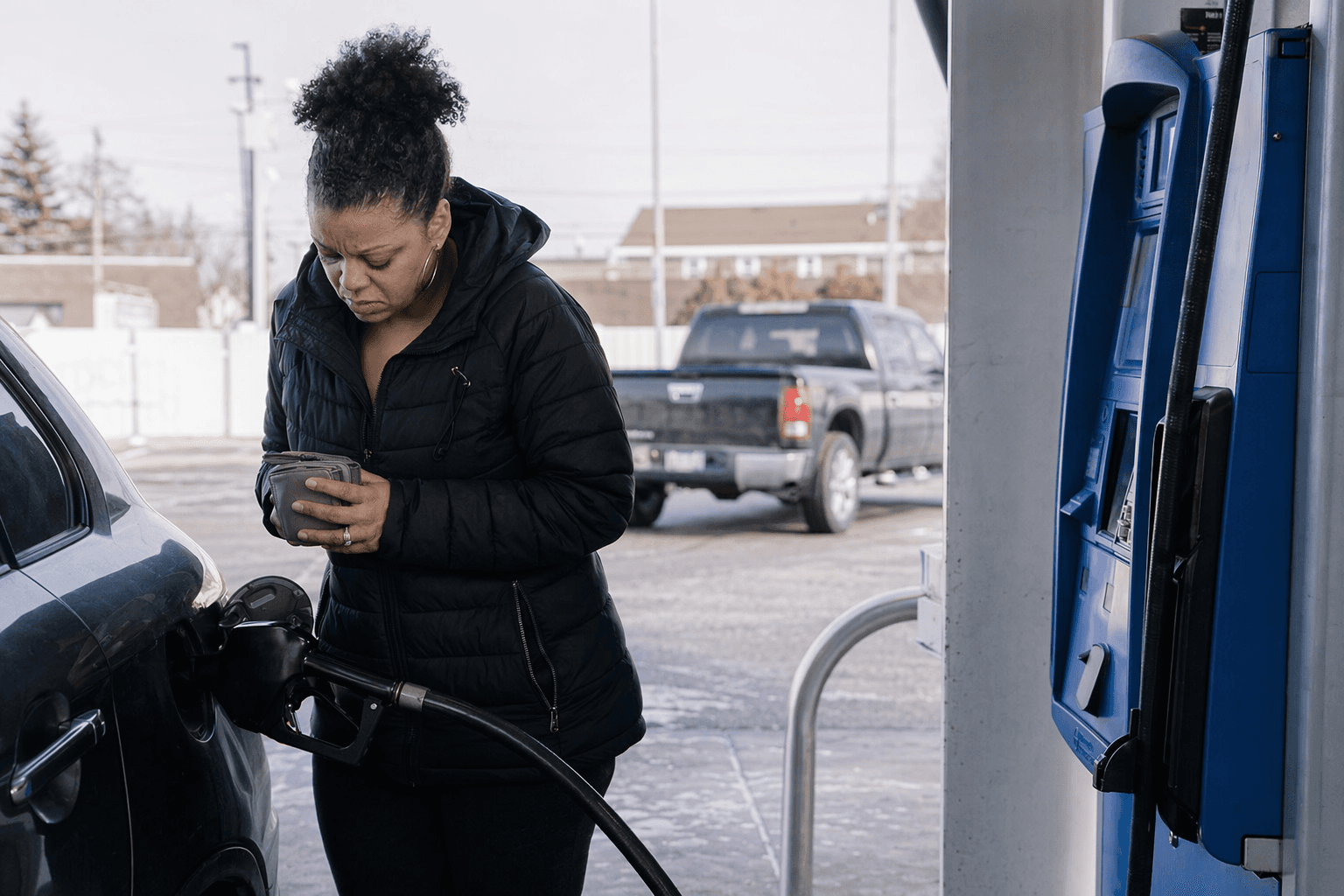
Higher gasoline costs are pinching the weakest households first, and Goldman now sees only 0.8% cash-flow growth for the bottom income quintile.
Gasoline is doing the damage. Goldman Sachs said the jump in energy prices, together with higher food costs and SNAP and Medicaid cuts, is squeezing the lowest-income households first, even as the broader U.S. economy still looks resilient on the surface.
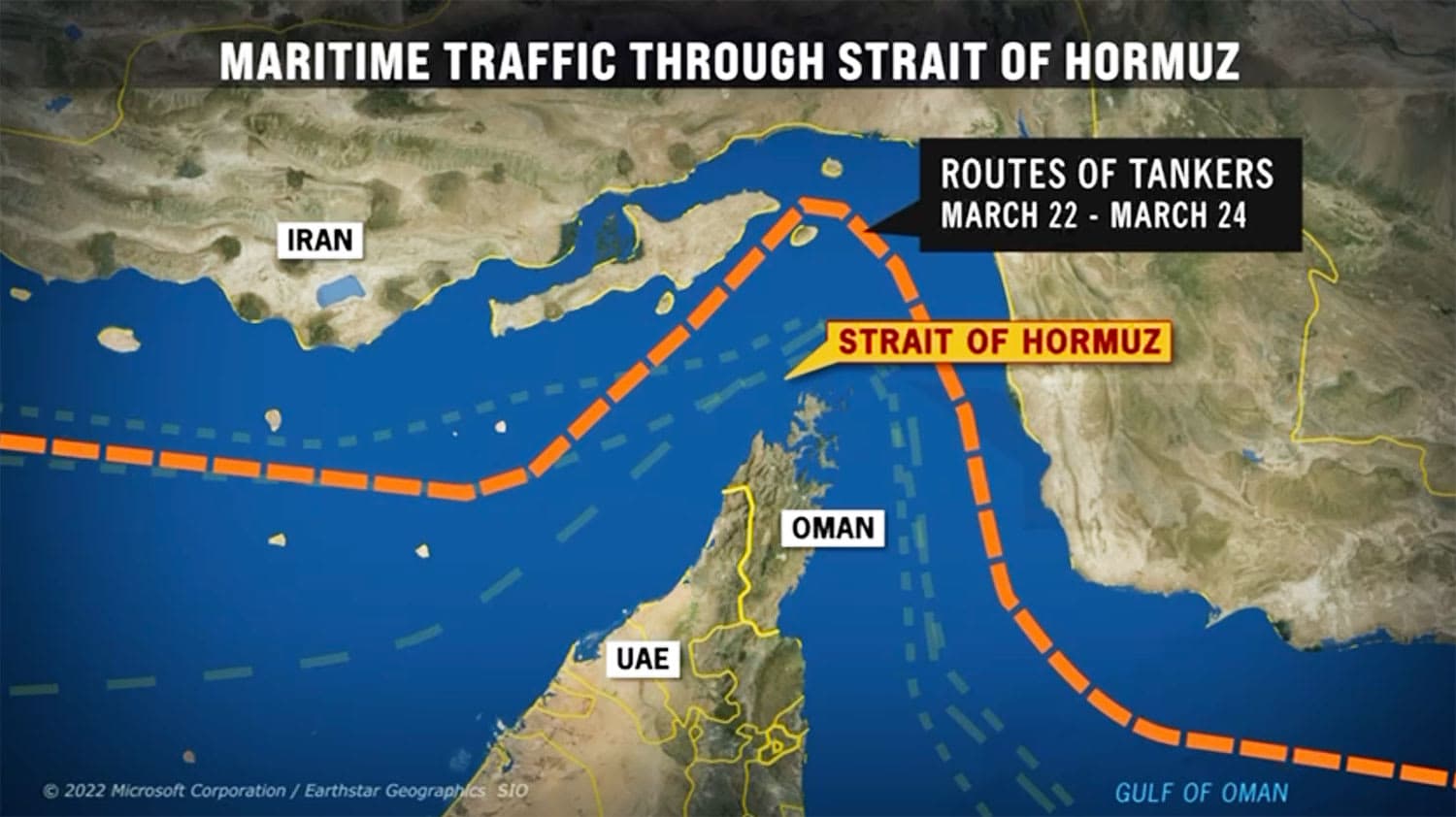
The bank’s latest consumer view came as Brent crude traded around $100 a barrel on May 7, up from $61 at the end of 2025. Goldman now expects U.S. energy spending to rise about 14% in 2026, a hit that lands unevenly because the bottom-income quintile spends roughly four times as much on gasoline as a share of after-tax income as the top quintile. Kate McShane said the biggest difference from the start of the year is higher gasoline prices.
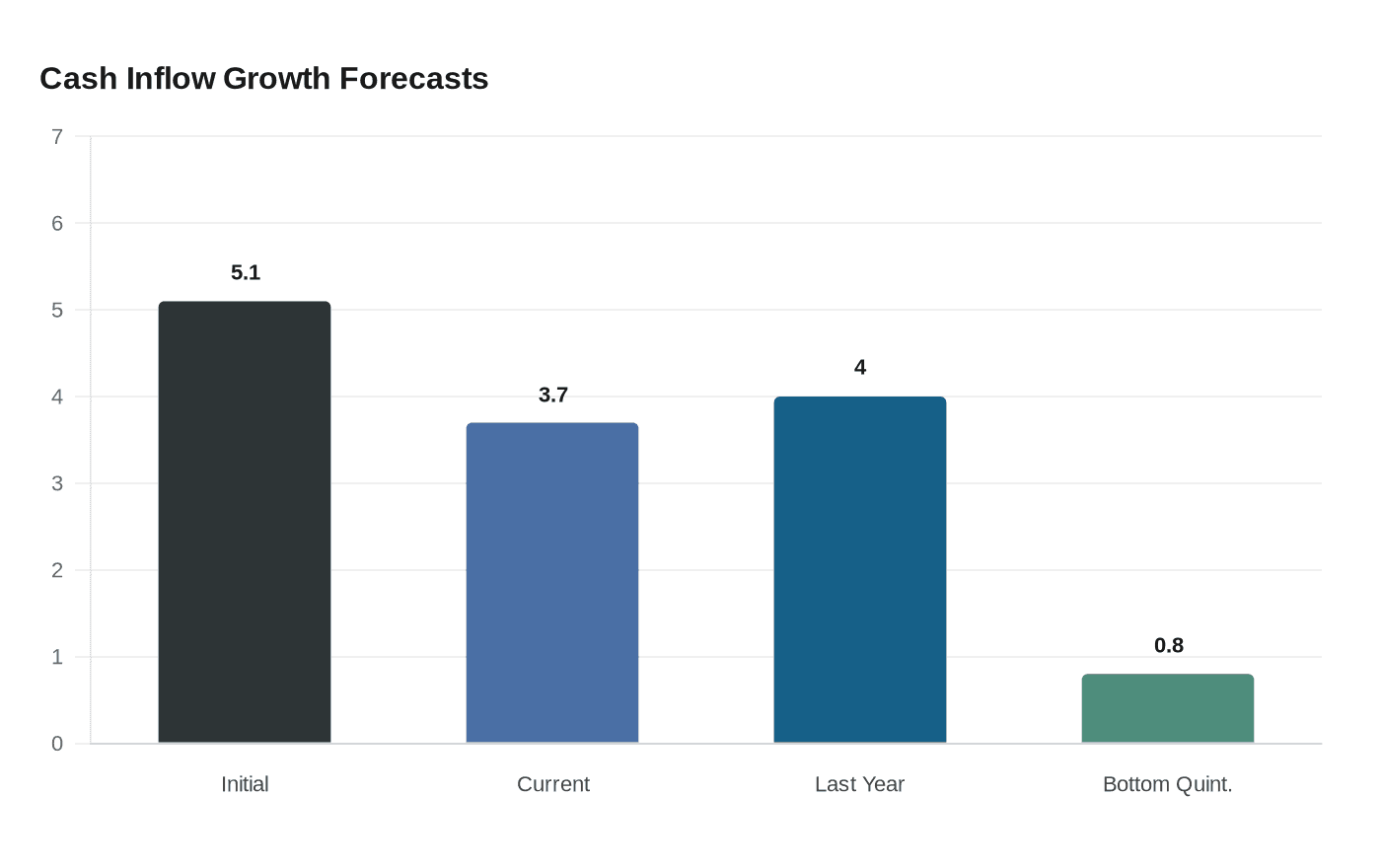
That pressure has already forced Goldman to cut its 2026 forecast for discretionary cash inflow twice. The firm now sees growth of 3.7%, down from an initial 5.1% estimate and below the roughly 4% growth it saw last year. For the bottom-income quintile, pre-savings discretionary cash inflow growth is expected to be only 0.8% in 2026, a level that helps explain why the consumer can still be spending while feeling increasingly fragile underneath.
For Goldman’s retail, consumer staples, leisure and payments teams, the implication is straightforward: the first cracks should show up in the most price-sensitive pockets of demand, not in a broad collapse. Staples companies are still describing a cautious, bifurcated consumer rather than recession conditions, which points to trade-down behavior, tighter promotional calendars and margin pressure before a full stop in spending. Leisure and discretionary retail are more exposed if households keep paying more at the pump and cut back on everything else. Payments and credit teams should watch whether transaction growth shifts toward essentials and whether lower-income cardholders show more strain.
The latest federal data still show a consumer that is under pressure, not broken. The U.S. Bureau of Economic Analysis said personal income rose 0.6% in March and the saving rate was 3.6%, while the PCE price index was up 3.5% year over year and core PCE rose 3.2%. Goldman’s broader macro view still calls for 2.8% U.S. GDP growth in 2026 and had earlier put the 12-month recession probability at 20%.
That combination is what matters for coverage and client work: the economy can stay upright while lower-income spending weakens first. The clearest signals to watch are gasoline, food, savings behavior, promo intensity, and whether consumer companies start talking less about resilience and more about volume pressure. Goldman’s 2024 view said the consumer was normalizing; the 2026 version is more cautious, with geopolitics now moving directly into household budgets.
Know something we missed? Have a correction or additional information?
Submit a Tip.png&w=1920&q=75)