Goldman Sachs Warns Iran Conflict Could Cost U.S. 10,000 Jobs Monthly
Goldman's Hatzius team estimates Iran's oil shock will suppress 10,000 U.S. jobs per month; a Brent spike to $160 could push unemployment 0.3 points above baseline.

The oil price shock set off by the U.S.-Iran military conflict will drain roughly 10,000 jobs from U.S. monthly payrolls through the end of the year, Goldman Sachs' U.S. Economics team led by chief economist Jan Hatzius warned. The estimate is a net figure, calculated after absorbing whatever limited gains the energy sector manages to generate.
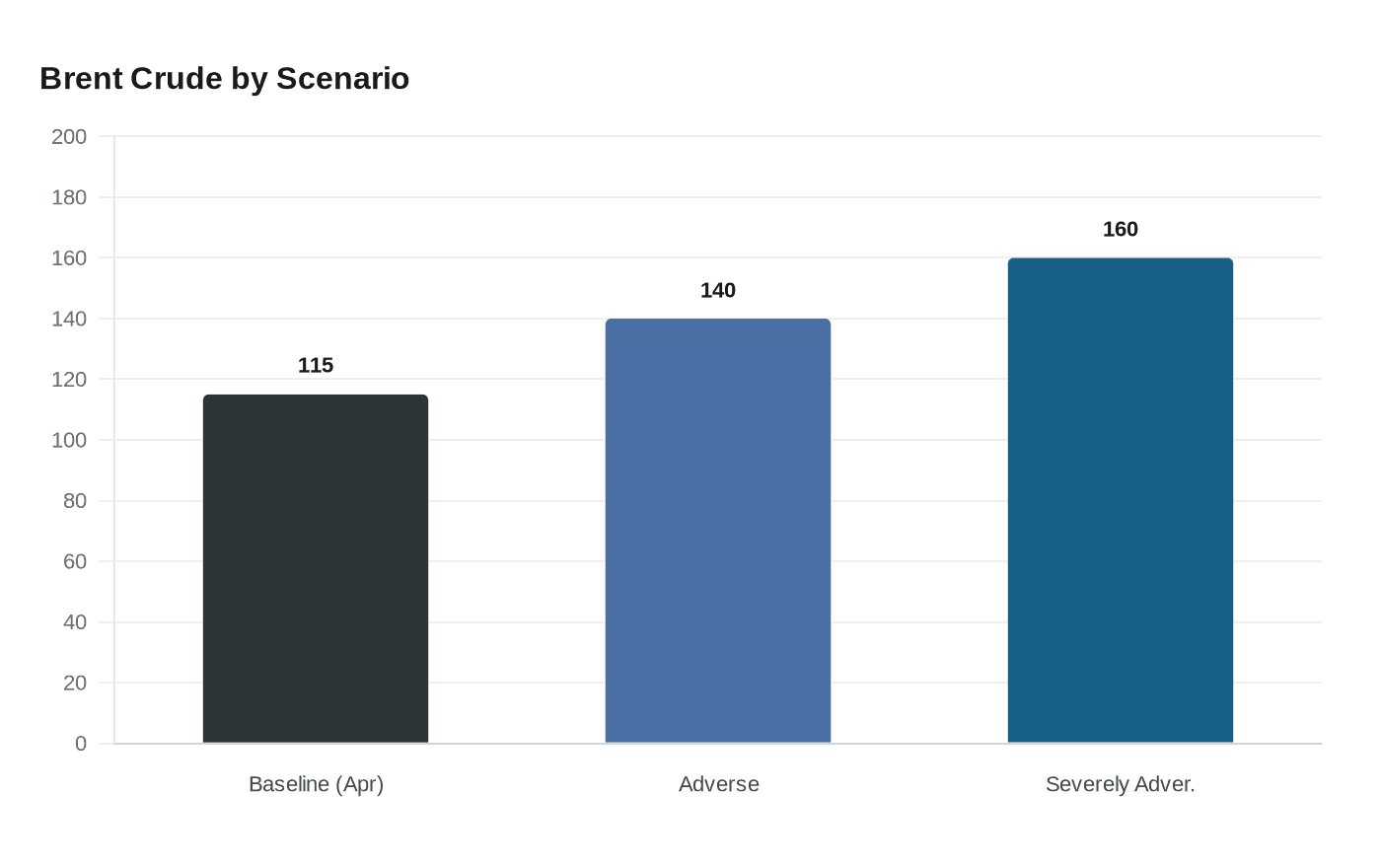
The mechanism runs through crude oil. Goldman's commodities strategists modeled Brent averaging $105 in March and spiking to $115 in April before gradually retreating to $80 in the fourth quarter, under a baseline assumption that flows through the Strait of Hormuz remain severely disrupted for roughly six weeks. Goldman economist Pierfrancesco Mei laid out the transmission framework in a research note published Thursday: elevated energy costs filter into transportation, consumer purchasing power, and demand for the labor-intensive services most exposed to discretionary spending.
Restaurants, hotels, and retail stores bear the sharpest near-term exposure. These sectors carry thin margins and limited ability to pass through sustained commodity cost increases, making them the first to pull back on hiring when energy-driven inflation compresses consumer budgets. Goldman had already cut its GDP growth forecast and raised its inflation outlook in response to the conflict, signaling that the payroll drag sits within a broader macro deterioration rather than an isolated labor market event.

The unemployment scenarios harden as crude climbs. In an adverse case where the conflict deepens, Brent could peak at $140 a barrel. In a severely adverse scenario it reaches $160, and unemployment climbs 0.3 percentage points above the baseline, a move large enough to potentially force the Fed's hand on interest rates. Goldman noted its unemployment projections align closely with simulations run through the Federal Reserve's own FRB/US model, a parallel that anchors the bank's estimates in standard policy analysis and gives rates desks a credible second reference for stress-testing their positioning.
For client-facing teams, the framework distills to three variables: whether Strait of Hormuz shipping disruption extends beyond the six-week baseline assumption, how Brent behaves relative to the $115 April level, and whether Goldman revises its GDP or unemployment figures again. Movement toward the $140 adverse scenario would likely force a reassessment of consumer discretionary, lodging, and retail sector calls. A climb toward $160 puts monetary policy itself in play, complicating rate-path positioning across fixed income and adding a stagflationary layer to any macro call that currently prices in a smooth Fed cutting cycle.
The payroll drag is concentrated in parts of the economy with direct downstream exposure for Goldman's coverage universe, from hospitality-linked real estate to consumer-facing retailers managing inventory against softening demand. For any team running Iran scenario analysis with clients, the Hormuz assumption and the April crude level are the two numbers the conversation will ultimately hinge on.
Know something we missed? Have a correction or additional information?
Submit a Tip