Goldman says systematic hedge funds rushed back into stocks after selloff
Systematic hedge funds bought $86 billion of stock exposure in five sessions, and Goldman sees another $70 billion coming, a sign machines helped drive the rebound.
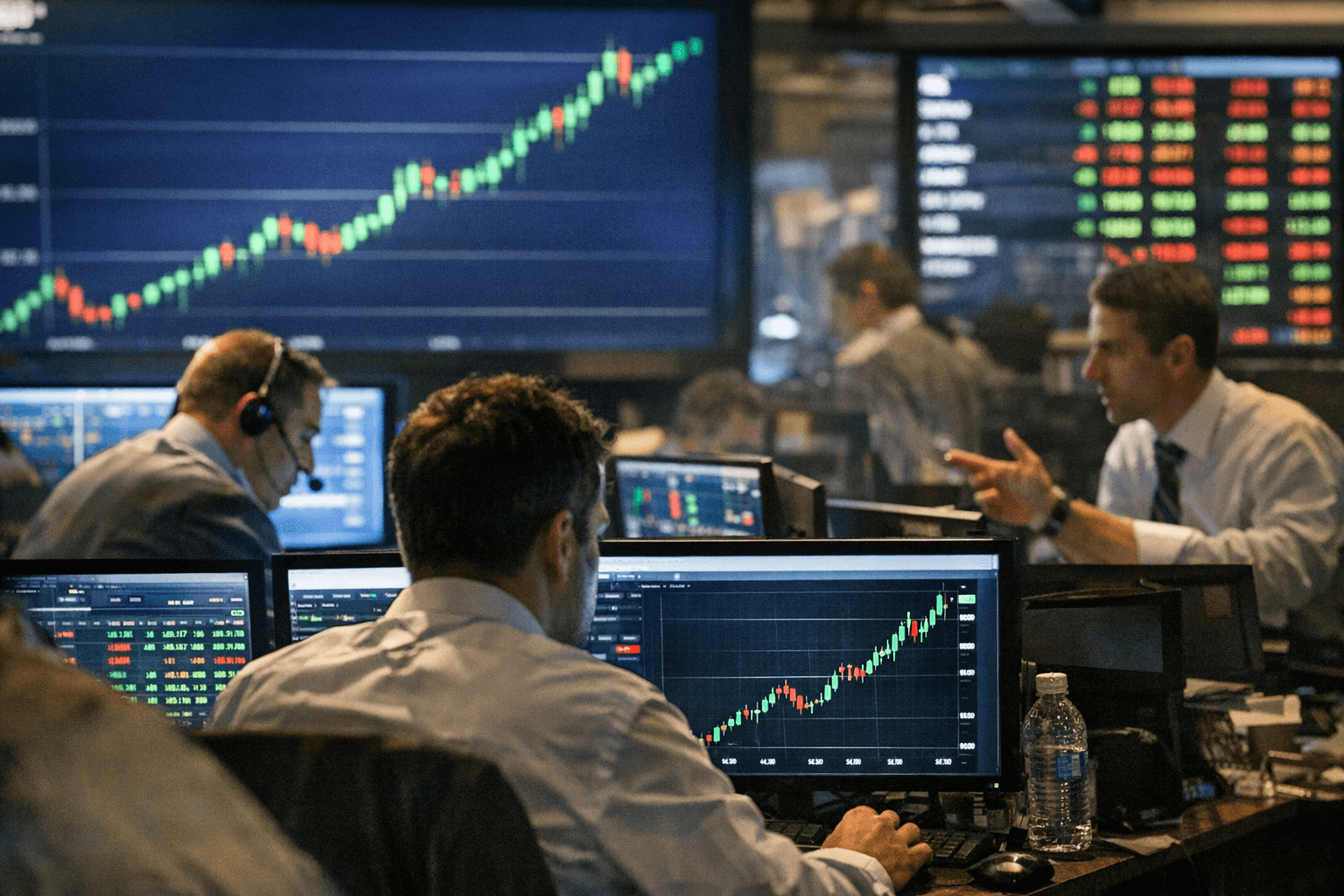
Machines helped drag stocks back up almost as fast as they had been sold. Goldman Sachs estimated that systematic hedge funds bought $86 billion of stock exposure over the last five trading sessions, one of the largest bursts it has seen, and said another $70 billion could still follow over the next five sessions if the signals stay aligned.
The buyers were not stock pickers making a judgment call on individual companies. Goldman pointed to Commodity Trading Advisors and other systematic strategies that trade off price, trend and volatility signals rather than corporate fundamentals. That matters because it means the rebound was driven in large part by rules-based flows, not a sudden wave of conviction from human portfolio managers. World stocks were near record highs on April 17 and on pace for a third straight week of gains, while benchmark oil prices stayed below $100 a barrel ahead of a crucial weekend that could shape the next move in the Iran war.
The speed of the reversal shows how quickly a selloff can become fuel for a buying stampede in today’s market structure. Goldman traders had already been warning on April 6 that systematic investors were poised to flip back into equity-buying mode after slashing exposure to multi-year lows during the downturn. CNBC said the S&P 500 fell about 8% from Feb. 28 to a March 30 low before erasing those losses and closing at an all-time high on April 16. Reuters-linked coverage also said Goldman had expected CTAs alone to buy about $40 billion of S&P 500 stocks in April, a reminder that one desk’s flow model can quickly become the market’s direction.
For Goldman employees, the signal is less about a headline stock rally than about where the business gets busy. Prime brokerage teams, equity sales, financing desks and cash traders all tend to benefit when systematic funds return at scale, because the same flows can drive execution volume, hedging demand and financing activity. Research and macro teams also get a clearer read on how clients are positioning into weekend risk, which helps shape coverage calls and trading recommendations. The note also showed a split that is hard to miss inside a big market-making firm: hedge funds were still short single stocks even as they sold the largest amount of tech stocks in five years, while broader macro hedges turned long and long-only traders came back off the sidelines after staying out since the war began. In other words, the bounce was broad, but conviction was still uneven, and Goldman’s edge came from seeing the flow before it became obvious to everyone else.
Know something we missed? Have a correction or additional information?
Submit a Tip