Goldman Warns Oil Could Hit $100 Next Week, $150 if Hormuz Closed
Goldman told clients that Brent could top $100 a barrel next week if Strait of Hormuz flows do not resume, and that prices could exceed 2008 and 2022 peaks if disruptions last through March.
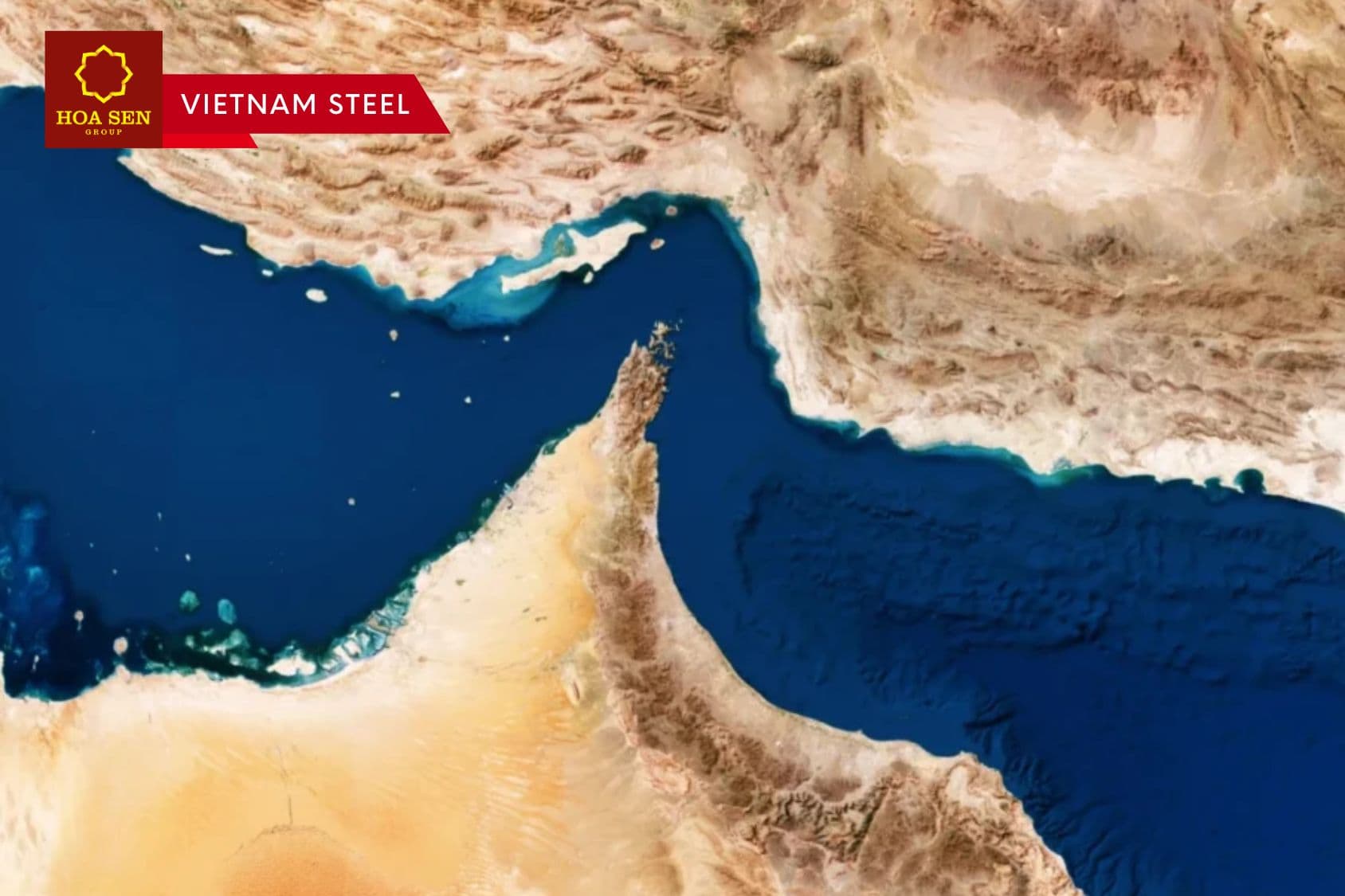
Goldman Sachs told clients on March 6 that oil prices are likely to exceed $100 per barrel next week if there are "no signs of a solution" to the severe disruption of flows through the Strait of Hormuz, and that the bank will revisit its oil price forecast soon if it does not see evidence supporting its assumption of gradual normalization over the next few days.
The bank’s base-case remains a Brent range "in the $80s for March and the high $70s for the second quarter," but Goldman warned its upside risks are "rapidly growing further" and said, "We now also think it’s likely that oil prices, especially for refined products, would exceed the 2008 and 2022 peaks, if Strait of Hormuz flows were to remain depressed throughout March."
Goldman’s client note, cited by the Financial Post and Reuters, named analysts Daan Struyven and Yulia Zhestkova Grigsby, who wrote there are "large upside risks" to the bank’s oil-price forecasts and that "We now think that oil prices would likely exceed $100 next week if no signs of solutions emerge by then." The note cited tighter-than-expected constraints on Hormuz shipping and limited Saudi Arabian capacity to shift crude exports to Red Sea ports as key drivers.
Other major financial houses and energy officials laid out steeper conditional paths. Barclays warned Brent could "potentially test $120 a barrel if the Middle East conflict persists for another couple of weeks." Aldo Spanjer, head of energy strategy at BNP Paribas, said, "We believe oil prices will continue their ascent for the next weeks if nothing changes in the conflict" and cautioned that "Onshore stocks filling up could drive production shut‑ins through March, amplifying the upside."
Markets have reflected the risk shock. Reuters and Investing reported crude was set for its strongest weekly gain since the spring 2020 COVID-19 turmoil, and the Investing page showed intraday moves with LCO up 8.93% and CL up 12.21%. Reuters added that "Physical oil markets are soaring too, an indication of demand for immediate supply," underscoring tightness in prompt cargoes.
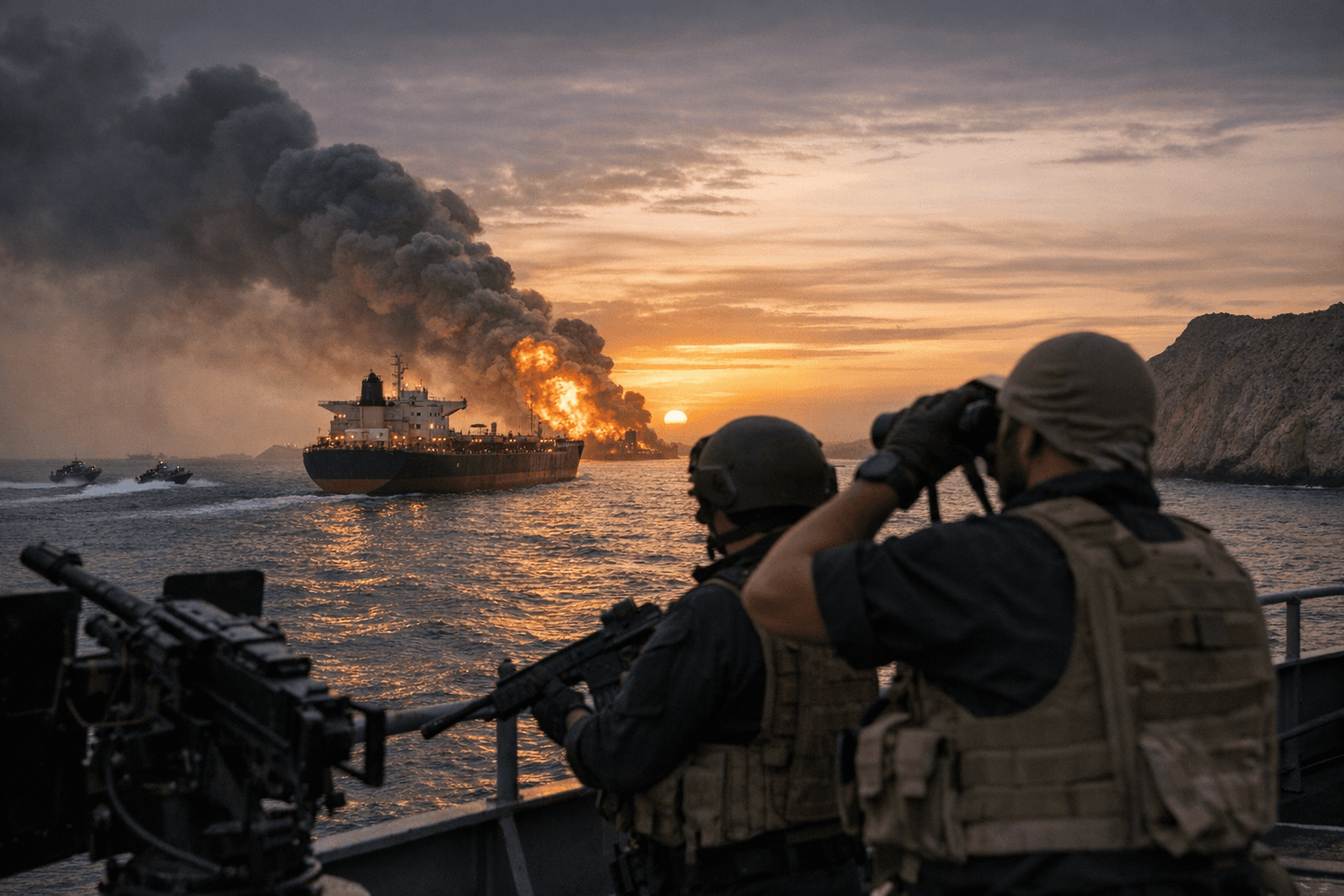
Goldman estimated average daily flows through the Strait of Hormuz are down 90%, a near halt compared with normal throughput for the route, which other reporting commonly places at roughly 20% of global oil transits. Operational limits matter: analysts flagged limited Saudi capacity to reroute barrels to Red Sea ports and the risk that tanks filling onshore could force production shut‑ins.
The Reuters coverage also carried a stark geopolitical passage quoting a spokesman for Iran’s Revolutionary Guards challenging U.S. President Donald Trump to deploy naval vessels to escort tankers, and cited Trump's demand for Iran's "unconditional surrender," language that Reuters linked to the wider conflict context in its dispatch.
An original briefing included a truncated line, "A $10 oil rise sustained 3 months could push US CPI fr", which remains incomplete and requires the underlying source for verification. For now Goldman has signaled a conditional emergency in the oil complex: if Hormuz shipping does not resume in the days ahead, traders and strategists from Goldman, Barclays and BNP see a near-term path above $100 and the potential for much higher peaks if disruptions persist through March.
Know something we missed? Have a correction or additional information?
Submit a Tip