AT&T ratifies new labor deal for 9,000 frontline workers
AT&T’s deal for 9,000 frontline workers sets a new benchmark on wages, scheduling, and job security that Home Depot managers will notice.

AT&T’s ratification for about 9,000 employees gives retail employers a fresh comparison point on what frontline work should pay and how much predictability it should offer. The Mobility Orange agreement covers retail, call center and customer service roles across 36 states, and AT&T said it closed out the company’s fourth ratified agreement of 2026, ending negotiations for contracts expiring this year.
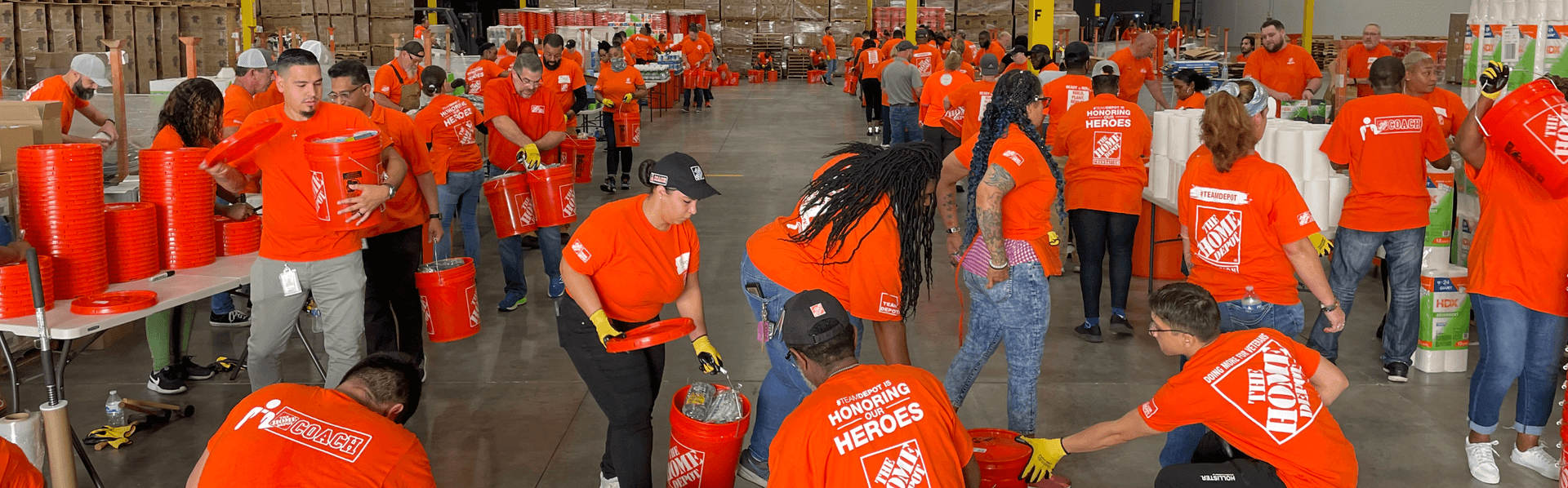
For Home Depot associates, department leads and store managers, the significance is not telecom-specific. The deal lands in the same labor conversation that shapes big-box retail: whether pay keeps up, whether schedules are stable enough to hold onto experienced people, and whether frontline workers are treated as a long-term asset rather than a stopgap. AT&T also said it has reached more than 60 agreements with union partners over the past 10 years and describes itself as the largest union employer in its industry, with nearly 100 years of union partnerships.

The contract itself is what makes the benchmark hard to ignore. CWA said the four-year agreement runs through February 15, 2030, and produces a compounded 15.6% base wage increase by the end of the term. The tentative deal also included a $1,000 ratification bonus if approved by May 22, 2026, along with improved benefits, job-security provisions, call-center scheduling changes and new FIRSTNET work. Those are the kinds of details workers in stores and service centers notice quickly because they reach beyond headline pay rates into the daily reality of whether a job feels sustainable.
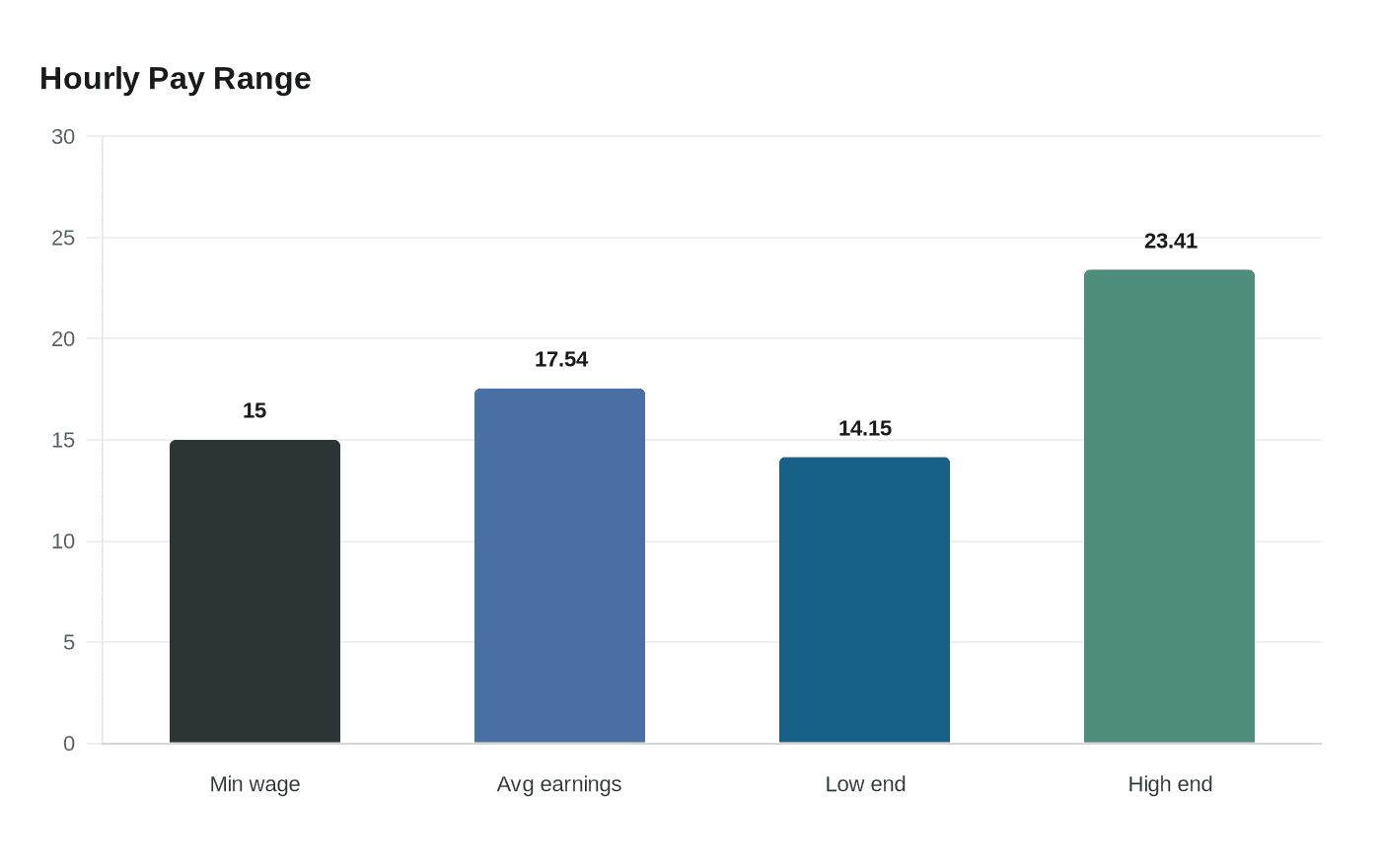
That matters at Home Depot, where the labor market is still shaped by a mix of hourly pay bands, trade knowledge and seasonal pressure. One current salary guide puts the company-wide minimum wage at $15 an hour, while third-party pay data puts average hourly earnings around $17.54, with a range from about $14.15 to $23.41. In a business built around pro customers, project deadlines and spring and summer rushes, even small gains in scheduling predictability can influence whether experienced associates stay long enough to build real product knowledge and customer trust.
The bargaining timeline also shows how these deals get built. CWA said negotiations with AT&T began in January 2026, and local union updates said a tentative agreement was reached after nearly four months of bargaining. By the time workers ratified it on May 22, the message was clear: in frontline jobs across retail and service, pay is only part of the equation now. Scheduling, security and retention have become part of the standard workers use to judge whether an employer is keeping up.
This article was produced by Prism’s automated news system from verified source data, official records, and press releases, then run through automated quality and moderation checks before publishing. The system is built and supervised by the people who set the standards it runs under. Read our full AI policy.
Did this article answer your question?