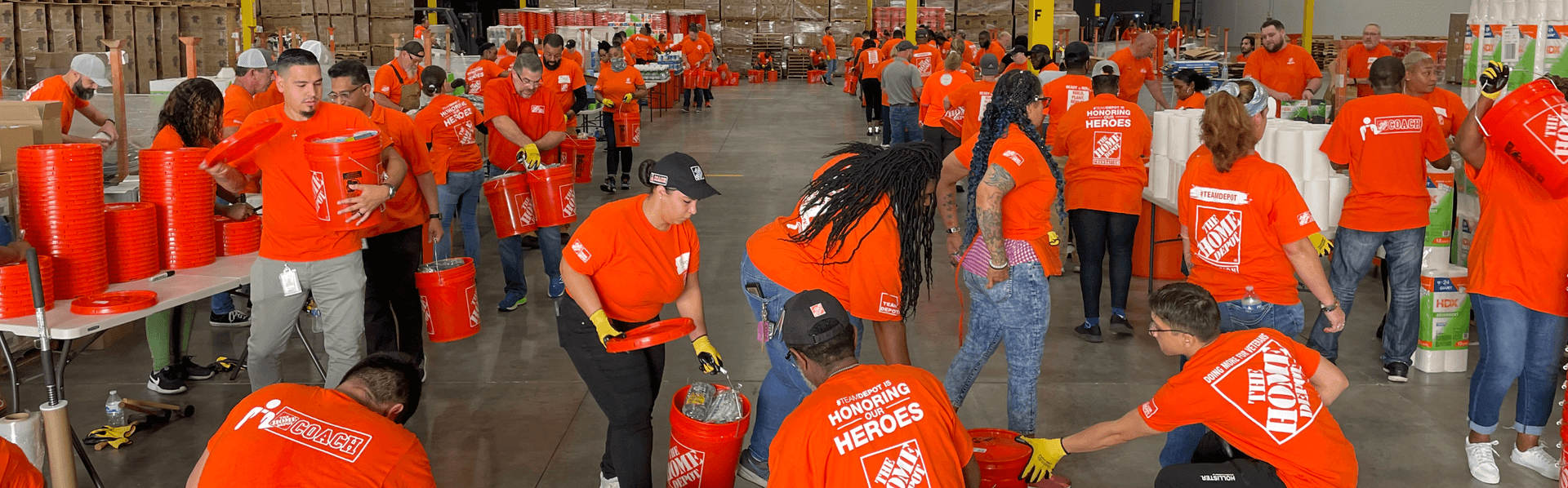
BLS productivity data underscores Home Depot’s push for store efficiency
BLS data shows labor costs rose faster than productivity, a signal Home Depot associates will feel in schedules, overtime, and cross-training.

The latest productivity numbers point to a familiar pressure inside Home Depot stores: every hour on the schedule has to work harder. The U.S. Bureau of Labor Statistics said nonfarm business sector labor productivity rose just 0.3% in the first quarter of 2026, while unit labor costs climbed 1.8% as hourly compensation increased 2.1%. Real hourly compensation fell 1.4%, and the labor share of output slipped to 53.7%, the lowest recorded level since the series began in 1947.
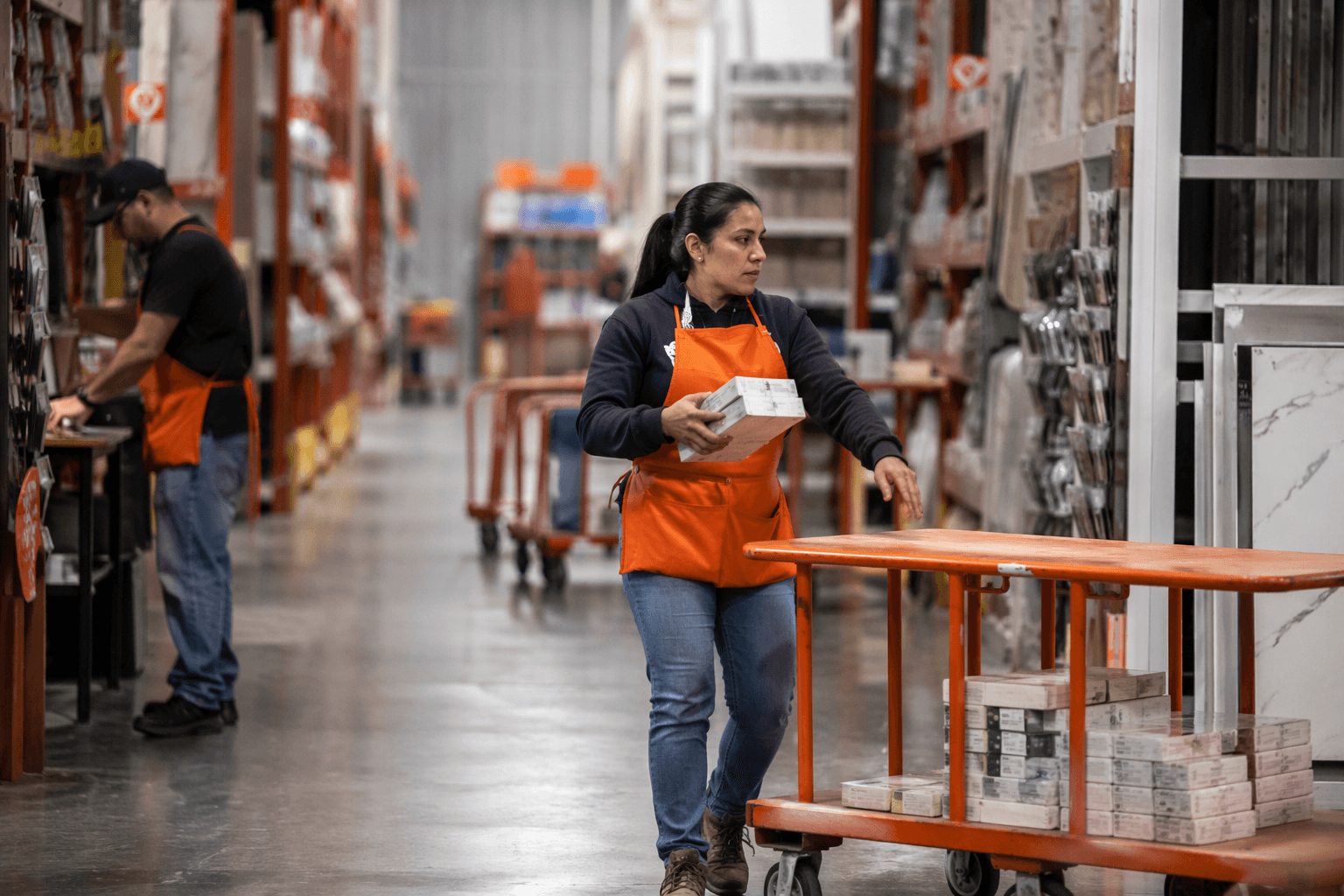
For store managers, that combination usually turns into tighter payroll control, stricter overtime approvals, and more attention to coverage by department and by hour. On the floor, it also raises the value of cross-training, cleaner freight flow, faster replenishment, and fewer wasted steps at the register or in the aisle. When labor costs are moving up faster than productivity, even a small delay in pickup, receiving, or stocking can show up quickly in the week’s numbers.
Home Depot has been signaling the same pressure from its own side of the business. The company said in its fiscal 2025 annual report that knowledgeable associates and on-shelf availability are critical to the store experience, and that it is empowering associates by enhancing training and product knowledge, optimizing processes, simplifying tasks, and leveraging technology. It also said it is investing in competitive wages and benefits, a reminder that labor discipline at the store level is happening alongside higher expectations for retention and service.
That balance matters more because the business is still growing. Home Depot reported first-quarter fiscal 2026 sales of $41.8 billion, up 4.8% from a year earlier, with comparable sales up 0.6%. Higher sales do not erase the need to watch labor productivity, especially in a chain built around seasonal project rushes, pro-customer traffic, and the constant challenge of keeping shelves full.
The company’s automation push adds another layer. In 2026, Home Depot said it offered more than a dozen AI-powered capabilities, expanded its Pro digital experience with project-management and AI tools, and launched agentic AI tools with Google Cloud on January 11, 2026. For associates and department leads, that can mean more digital support in some tasks, but it also raises the bar on speed, accuracy, and process discipline.

Home Depot has also tied part of its long-term strategy to labor scarcity in the trades through Path to Pro, launched in 2021 to help address the skilled labor shortage in the United States. The program offers free, on-demand training in English and Spanish. That broader shortage helps explain why the company is pressing both sides at once: invest in workers, but run stores with sharper efficiency.
This article was produced by Prism’s automated news system from verified source data, official records, and press releases, then run through automated quality and moderation checks before publishing. The system is built and supervised by the people who set the standards it runs under. Read our full AI policy.
Did this article answer your question?