Home Depot acquires SIMPL Automation to speed distribution centers
Home Depot bought SIMPL Automation after a Locust Grove pilot cut pick times, cycle times and product touches, a change that could speed store replenishment and delivery.
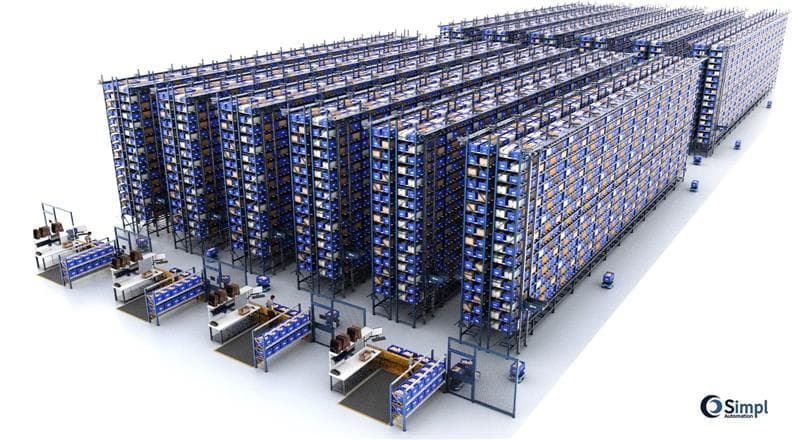
Home Depot is adding another layer of automation to the part of its business most associates never see but feel every day: the path from distribution center to store shelf, delivery truck and jobsite. The company said its acquisition of SIMPL Automation, announced April 15, builds on a pilot at the Locust Grove, Georgia, distribution center that produced faster pick speed, faster cycle times and fewer product touches.
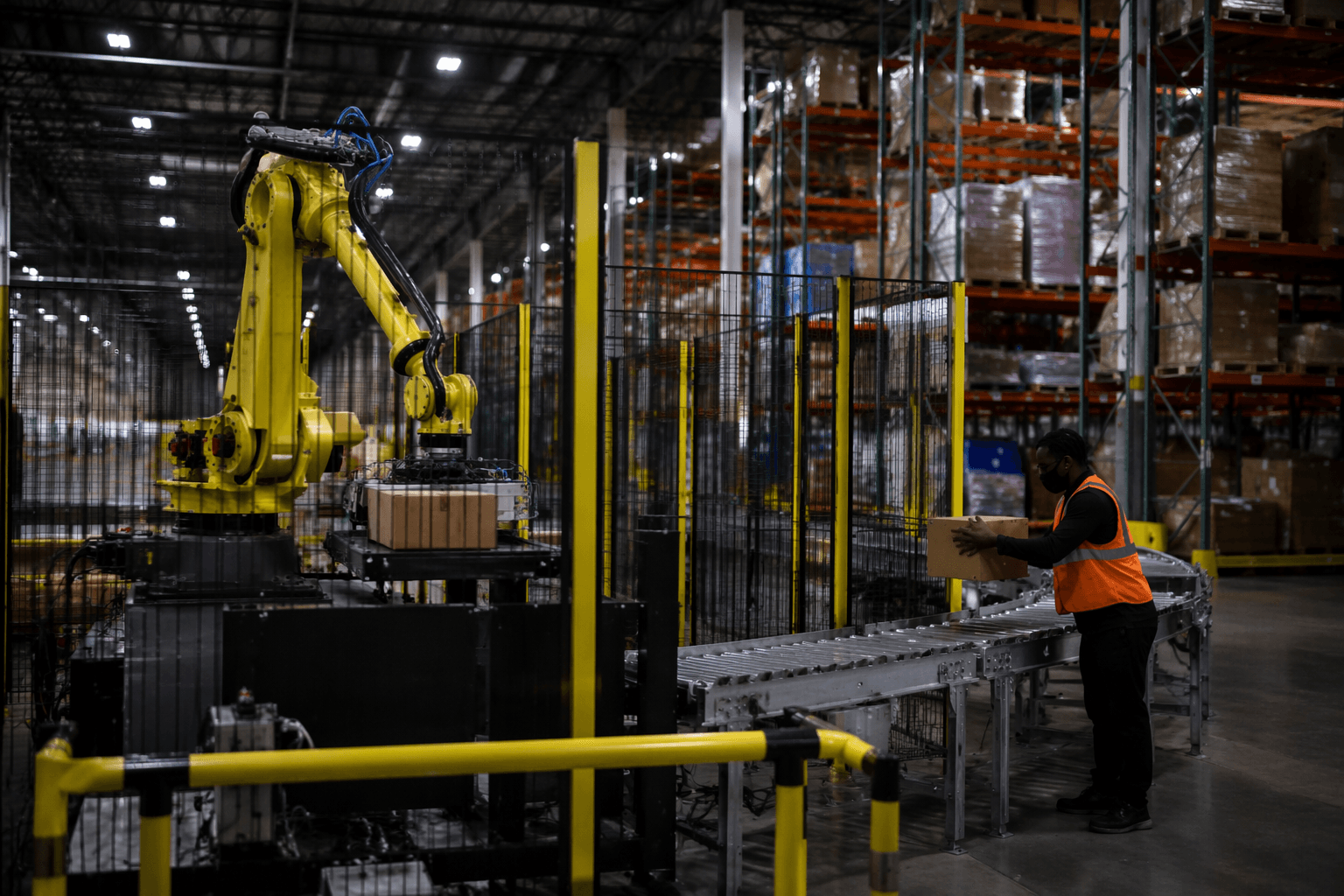
That matters on the sales floor because in-stock performance starts upstream. When distribution centers move product faster and with less handling, stores are more likely to get the right inventory on time, and customers pushing for same-day or next-day delivery are less likely to hear no when they need an item for a project that cannot wait. It also changes the warehouse job itself, shifting some work away from repetitive handling and toward tighter coordination with automated systems, safer execution and more consistent pace.
Home Depot said SIMPL brings modular warehouse automation and technology systems, including a patented storage and retrieval solution that helps maximize storage density. The retailer said the technology supports same-day and next-day fulfillment while improving safety and helping distribution center associates work more efficiently. SIMPL, founded in 2023 and based in Waltham, Massachusetts, had launched its ADAPTIV automated storage and retrieval ecosystem in early 2025 and later added a vertical lift module line to that system.
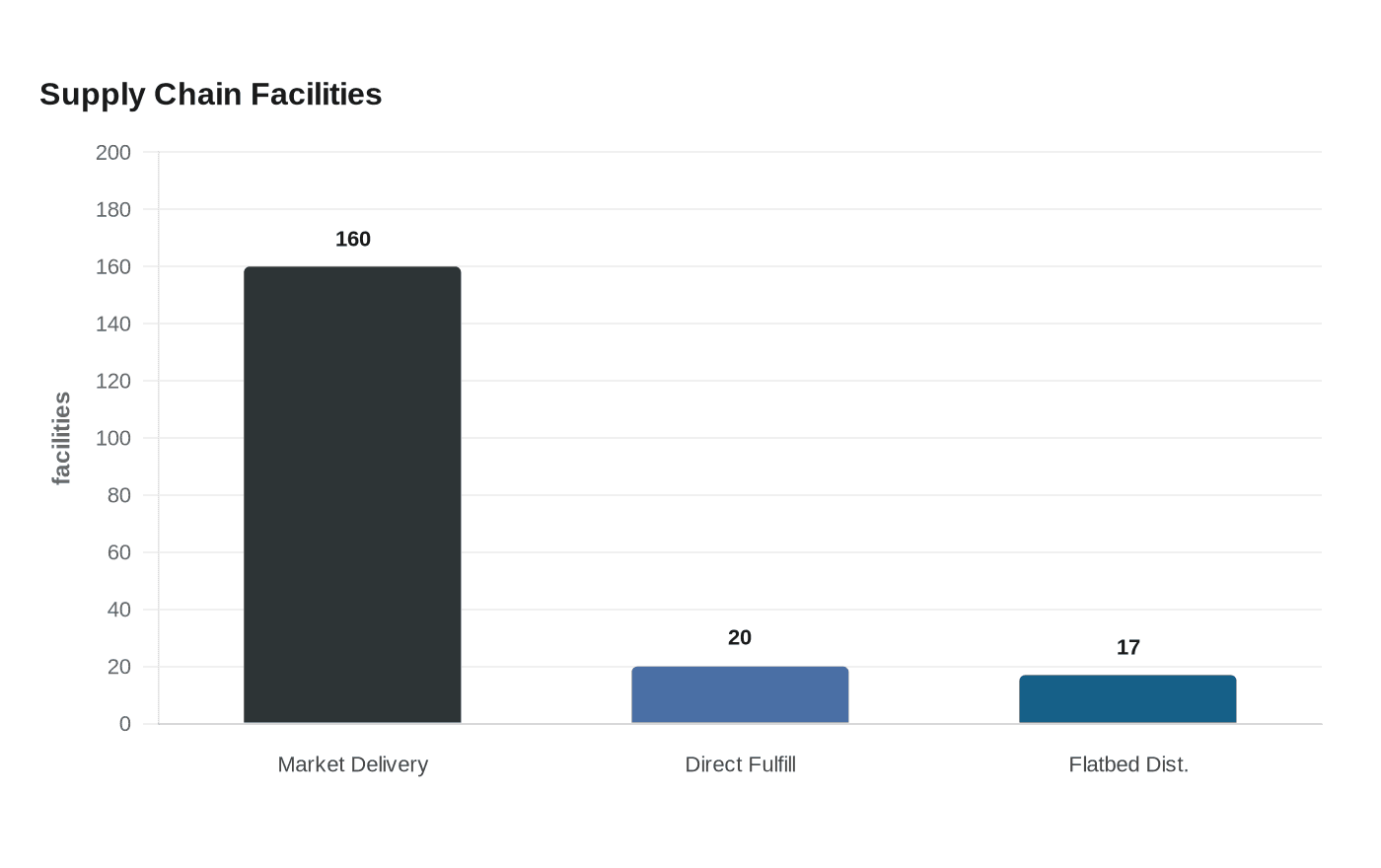
The move fits Home Depot’s larger supply-chain push. In December 2025, the company said 55% of deliveries for in-stock SKUs were arriving the same day or next day, more than triple the 2022 level. Home Depot also said it had added nearly 200 supply-chain facilities over the previous eight years, including 160 market delivery operations, 20 direct fulfillment centers and 17 flatbed distribution centers, as it widened the number of products available for rapid delivery from about 25 store-based SKUs to more than 100 SKUs from various locations.
The company’s fiscal 2025 results show why that speed race matters. Sales reached $164.7 billion and net earnings were $14.2 billion, as Home Depot kept investing in stores and supply-chain capabilities to support what it calls a frictionless, interconnected experience. For associates, that strategy is not an abstract logistics plan. It is the reason store replenishment, online promises and pro-customer service increasingly depend on how well the back end runs.
This article was produced by Prism’s automated news system from verified source data, official records, and press releases, then run through automated quality and moderation checks before publishing. The system is built and supervised by the people who set the standards it runs under. Read our full AI policy.
Know something we missed? Have a correction or additional information?
Submit a Tip