Home Depot's interconnected retail strategy boosts sales and delivery accuracy
Digital sales are now a floor-level issue at Home Depot, where inventory accuracy, routing, and handoffs decide whether orders land on time or get canceled.
Home Depot’s latest results show that interconnected retail is not a slogan, it is an operating model that is lifting sales and reshaping store work. The company reported $41.8 billion in first-quarter fiscal 2026 sales, up 4.8% year over year, while comparable sales rose 0.6% overall and 0.4% in the U.S. Those gains came as digital comparable sales increased more than 10% for the fourth straight quarter, making clear that the promise on the app and website now depends on what happens in the aisle, the back room, and at the loading bay.
The sales story is really an operations story
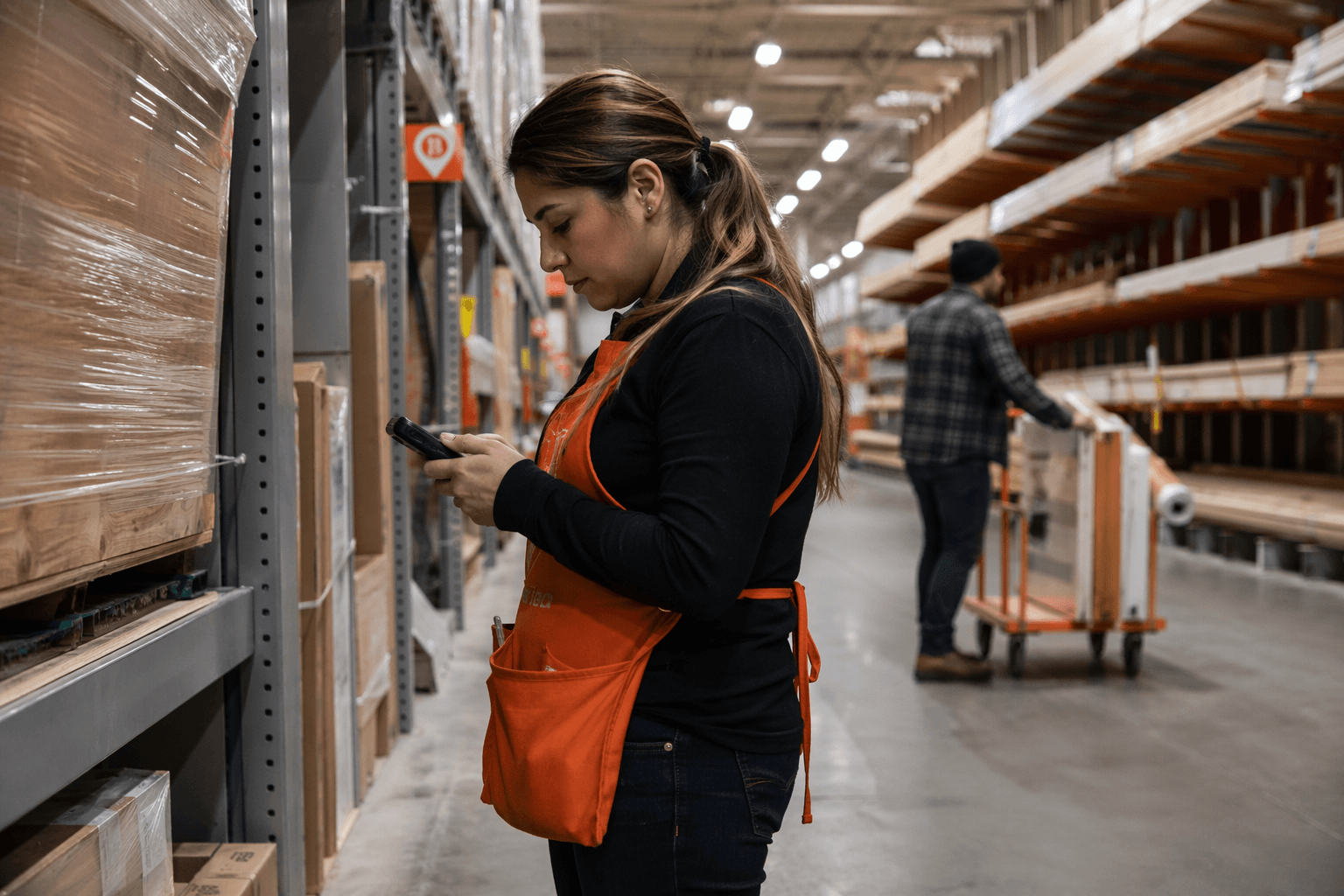
A June 2 analysis from Zacks framed Home Depot’s interconnected retail strategy as a real driver of operating results, and the company’s own filings support that view. Home Depot has said it is using Ship from Best Location and smarter order-routing logic to cut cancellations, speed delivery, and improve customer satisfaction. That matters for associates because a customer order is no longer finished when it is scanned into a system. It is finished when the right item leaves the right location, on time, with the right substitution if the shelf is empty.
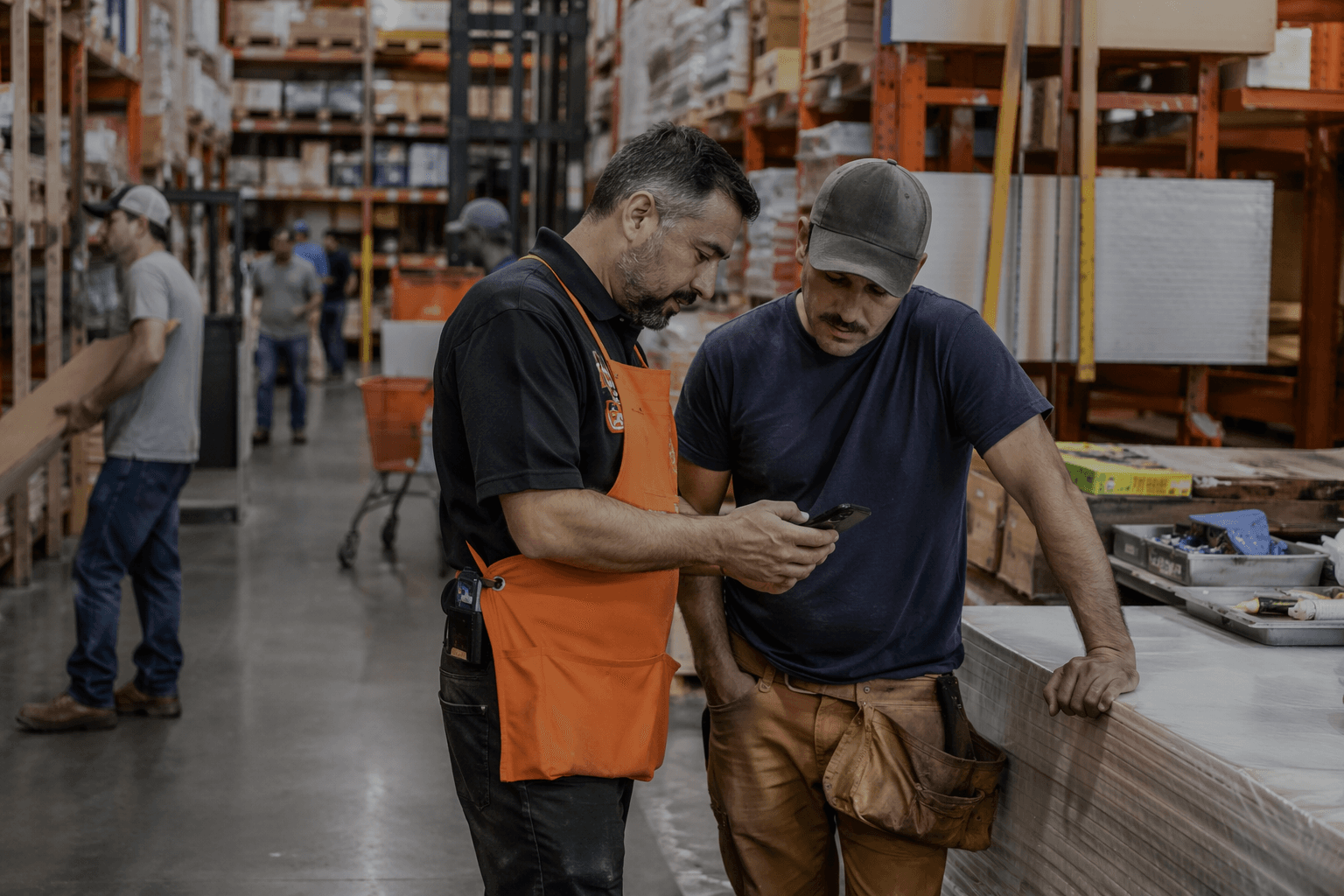
For store teams, that changes the meaning of accuracy. BOPIS pickups, curbside handoffs, delivery coordination, and inventory counts are now tied directly to customer trust, whether the shopper comes in through the Pro desk, the website, or a delivery route. When shelf counts are wrong or substitutions are handled poorly, the result is not just a back-room headache, it is a canceled order, a frustrated customer, and a harder shift for the associate who has to explain the miss.
Why Home Depot is leaning harder into interconnected retail
Home Depot describes its strategy as connecting stores, digital platforms, and supply-chain capabilities so customers can shop whenever and however they choose. That fits the way many shoppers already use the brand, moving between online research, store visits, pickup orders, and delivery expectations in one project. A customer may price out lumber on the website, confirm availability on the app, then show up expecting the store to have the order staged and ready without delay.
The company’s 2025 proxy said it aims to deliver shareholder value through a best-in-class interconnected experience, stronger sales to professional customers, and new store openings. That is not just a corporate growth plan. It is also a statement about where pressure lands on the floor, because the store remains the point where digital promises get translated into actual product availability, loading, and customer service.
What the company says it has built behind the scenes
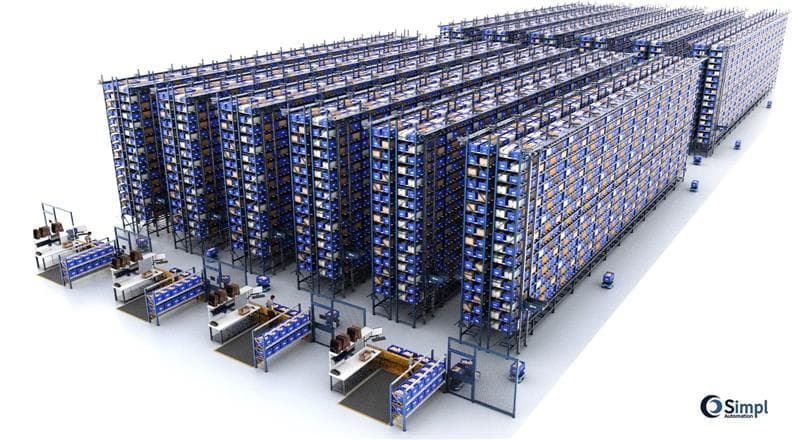
Home Depot’s annual report says it has strategically invested in its supply chain network to increase delivery speed and reduce lead times. The company points to 19 direct fulfillment centers, third-party last-mile providers, and technology improvements across more than 2,000 stores. In plain terms, that means the company is trying to move product through a network that reaches well beyond the four walls of any one location.
That network is designed to reduce friction, but it also raises the bar for execution inside the store. If a location is short on stock, slow to stage an order, or inconsistent on substitutions, the entire chain suffers. The company’s own filings are explicit that knowledgeable associates and on-shelf availability are critical to the store experience, which is another way of saying the digital business only works when the floor is disciplined.
What rising digital sales mean for store teams
The fourth straight quarter of double-digit online comparable sales growth tells managers where the workload is shifting. More digital sales usually means more picking, more staging, more customer questions about timing, and more pressure to keep aisle counts accurate enough that the system can trust them. It also means more cross-channel complaints when an order promised online does not match what is actually available in store.
That is why omnichannel service is no longer a separate digital function. It is front-line work. Associates on the sales floor are now part of the fulfillment chain, department leads are part of the accuracy chain, and store managers are part of the delivery-promise chain. The better the handoff between aisles, back rooms, and carriers, the fewer cancellations and the stronger the customer relationship.
Why the macro backdrop makes the performance more notable
Home Depot has been operating through elevated interest rates, cautious consumer spending, and a difficult housing backdrop. In that environment, sales growth and online momentum matter because they suggest execution can offset some of the pressure in the broader home-improvement market. The company said its first-quarter results were in line with expectations and reaffirmed fiscal 2026 guidance, signaling confidence even as shoppers remain selective.
That matters on the floor because cautious demand usually makes service failures more visible. A contractor who needs material today, or a homeowner trying to finish a weekend project, has less patience for missing inventory or a delayed delivery. The company’s digital gains therefore do double duty: they help revenue, and they raise the cost of getting the basics wrong.
What managers should watch next
If online growth keeps shifting work onto store teams, the operational signs to watch are straightforward:
- Are inventory counts accurate enough to support online promises?
- Are BOPIS and curbside orders staged on time, with clear handoffs?
- Are delivery substitutions handled consistently, especially for Pro customers?
- Are associates getting enough support to keep shelves, back rooms, and pickup areas aligned?
- Are cross-channel complaints being tracked as an operations issue, not just a service issue?
Home Depot’s scale makes the stakes larger than a single store or district. The company said fiscal 2025 net sales were $164.7 billion and earnings were $14.2 billion, and that it operates more than 2,300 retail stores across the United States, Canada, and Mexico. At that size, even small improvements in fulfillment, routing, and store accuracy can move a lot of volume. The flip side is just as true: when the floor breaks down, the customer feels it fast.
The message for associates and managers is direct. Interconnected retail is now part of the job description, and the stores that make it work will shape how Home Depot grows next.
This article was produced by Prism’s automated news system from verified source data, official records, and press releases, then run through automated quality and moderation checks before publishing. The system is built and supervised by the people who set the standards it runs under. Read our full AI policy.
Know something we missed? Have a correction or additional information?
Submit a Tip