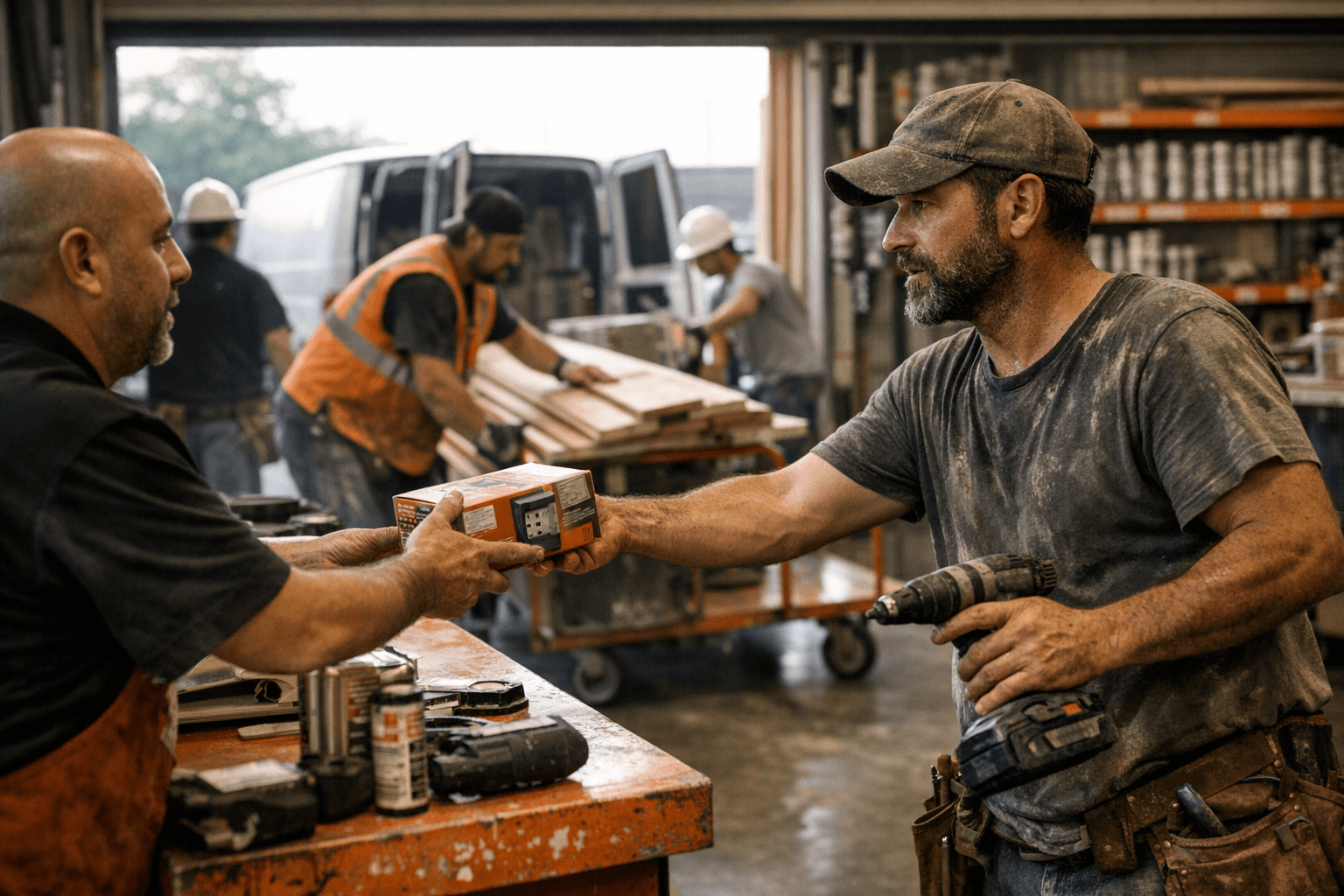
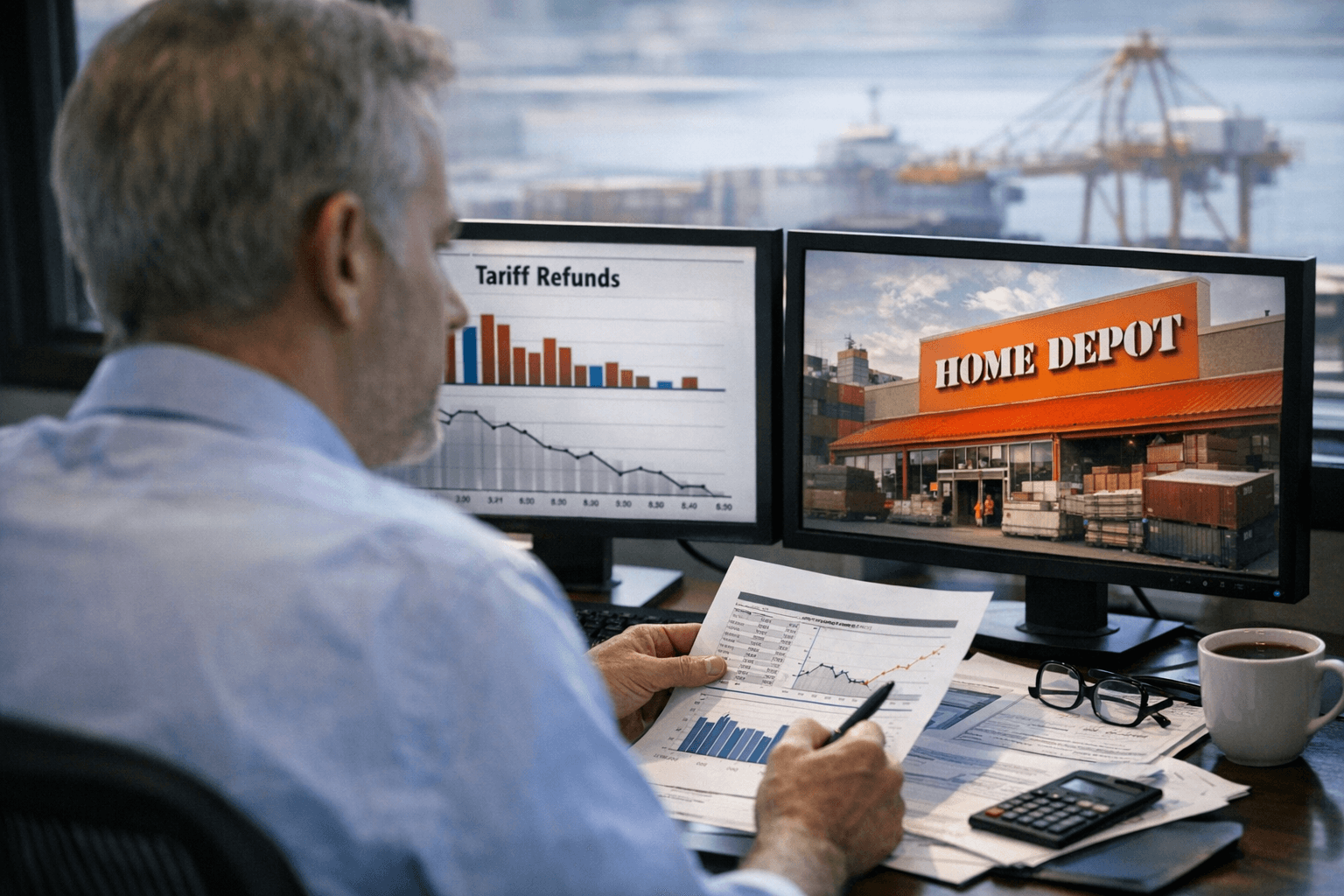
Home Depot associates brace for seasonal traffic spikes, shifting labor needs
Spring storms and weekend project rushes can outpace staffing fast, and Home Depot is betting on better training, tighter execution and more local labor discipline to keep up.
The first sign of a bad seasonal plan is a line forming before the store has caught up with the rush. At Home Depot, spring planting, storm prep, weekend DIY traffic and summer renovation work do not arrive evenly, and that is exactly why stores that staff too late feel the pain first at the service desk, in lumber, in seasonal and at checkout.
Forecasting the rush before it hits
Seasonal demand at a home improvement store is not just “busy season.” It is a series of predictable demand waves, each with its own pressure points. A warm weekend pulls traffic into outdoor projects and garden centers. A storm forecast can flip the floor overnight, sending customers straight to generators, batteries, tarps, pumps and water-management products. Once that happens, the store is no longer dealing with a general uptick. It is dealing with a sudden concentration of urgent needs that expose weak zoning, weak replenishment and weak labor coverage.
That is why department leads cannot think only in terms of item counts. They have to think in project clusters: what customers are trying to finish, what products those jobs require, and which aisles will get hit again and again in the same hour. A store that understands the rhythm of the season can get ahead of the wave instead of chasing it after the fact. A store that does not will spend the day playing defense, with associates answering the same questions while product sits unzoned or buried in the wrong place.
Where labor gets tight first
The labor squeeze is not the same in every department. On a weekend, the pressure often lands in checkout, pickup and loadout, where customer flow can stack up quickly. In storm-driven traffic, the pressure shifts toward the highest-velocity aisles and the categories that solve immediate problems, including generators, batteries, tarps, water-management items, pumps and lawn tools.
That makes staffing decisions feel different from a normal shift schedule. A manager who only looks at headcount can miss the real issue, which is whether the right people are in the right place at the right time. If the weather turns, extra bodies in the wrong department do less good than a few trained associates who can move fast, answer clearly and hand off to the right specialist without delay.
The daily pain points are familiar to anyone who has worked the floor. Customers want immediate answers, they do not want to feel like they are interrupting the store, and they need guidance that gets them to the right bay on the first try. That is especially true in service-heavy moments, when a customer is standing there with a project deadline and the store has to feel organized, not reactive.
What good seasonal execution looks like
The best seasonal stores do not wait for traffic to reveal the problem. They prepare before the rush by pre-merchandising, tightening signage, checking pallet placement, verifying top stock and briefing the team on what is expected to move. Those steps sound simple, but in a high-volume store they are the difference between a floor that sells and a floor that stalls.
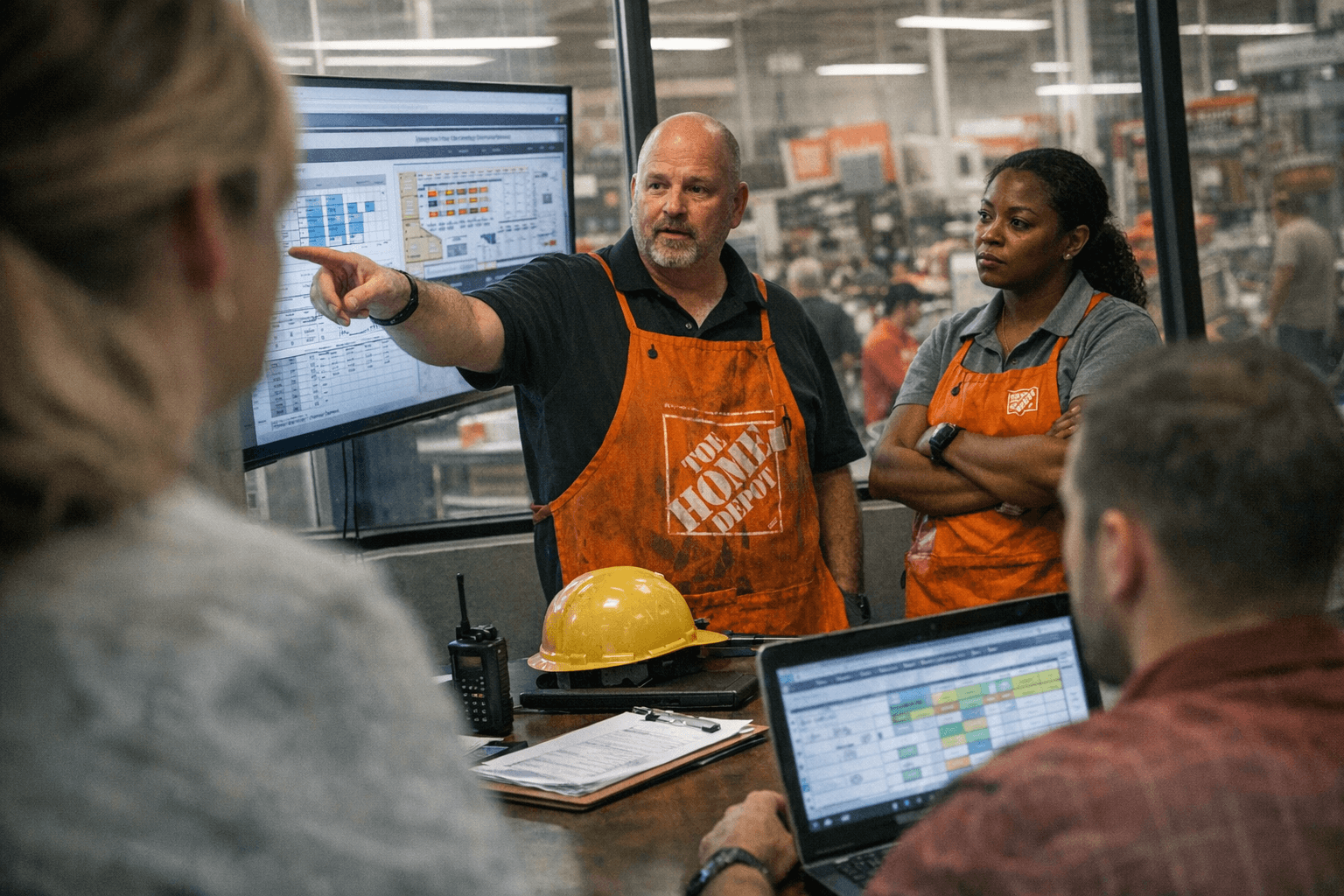
Huddles matter because they connect the plan to the reality on the floor. Associates need to know which departments need early zoning, which aisles will need extra recovery and which products are likely to sell out first. When that communication is clear, the team can spend less time searching for answers and more time keeping the floor shoppable.
The human side matters just as much as the product side. Calm, concise answers help protect both speed and service, especially when traffic is heavy and customers are already frustrated by the weather or the deadline in front of them. Associates who can triage a question quickly, escort a shopper to the right bay and then hand off to the right specialist help the store move faster without making the customer feel rushed.
Why the company is investing in readiness
Home Depot’s own materials make clear that this is not just a floor-level issue. The company says knowledgeable associates and on-shelf availability are critical to the store experience, and it says it is continuing to invest in associate training, product knowledge, process simplification and technology. That is a direct acknowledgment that seasonal execution depends on people as much as it does on inventory.
The company is also still building around demand. Home Depot announced a plan in 2023 to open 80 new stores over five years, and it said the 37 stores built over the prior three years were exceeding expectations. At its 2025 Investor and Analyst Conference, it said that after the roughly 80-store plan is completed in 2027, it expects to keep building 15 to 20 stores a year for the foreseeable future. That expansion strategy tells its own story: the business is still leaning on physical stores as the center of the customer experience, even as it keeps pushing more efficiency inside those stores.
That scale helps explain why seasonal pressure matters so much. In fiscal 2025, Home Depot reported total sales of $164.7 billion, up 3.2% from fiscal 2024. Comparable sales rose 0.3% overall and 0.5% in the U.S., modest numbers by retail standards but huge in absolute dollars for a chain this size. When a company that large sees traffic swing with weather, weekends and project season, the operational stakes fall directly on the people running the floor.
The broader expectation on associates and managers
Home Depot’s culture has long rested on the idea that store teams know the products, know the trade and can solve problems in real time. The company says its stores remain central to the business and that its orange-blooded associates are key to how the operation works. In practice, that means seasonal readiness is not just about having more boxes in the building. It is about whether the store has enough labor, enough training and enough local execution to turn a surge into a service win.
The Home Depot Foundation adds another layer of public expectation. It says it supports communities affected by natural disasters, and it has invested more than $400 million in veteran causes while improving more than 50,000 veteran homes and facilities. It has also pledged to invest half a billion dollars in veteran causes by 2025 and $50 million in training through Path to Pro. That puts a wider spotlight on the company when storms drive spikes in demand and recovery shopping, because the brand is already tied to disaster response and skilled-trades development.
For associates and managers, the lesson is blunt. Seasonal traffic is not random, and it is not something to absorb passively. The stores that win are the ones that prepare early, zone hard, stock for the likely project, and put the right people where the pressure will land first. When that happens, the customer sees a store that feels ready, and the team feels the difference in every aisle.
Know something we missed? Have a correction or additional information?
Submit a Tip