Tariff refunds could ease Home Depot pricing, margin pressure
Tariff refunds won't hit the sales floor overnight, but they could give Home Depot more room to hold prices, fund promos and ease reprice churn.
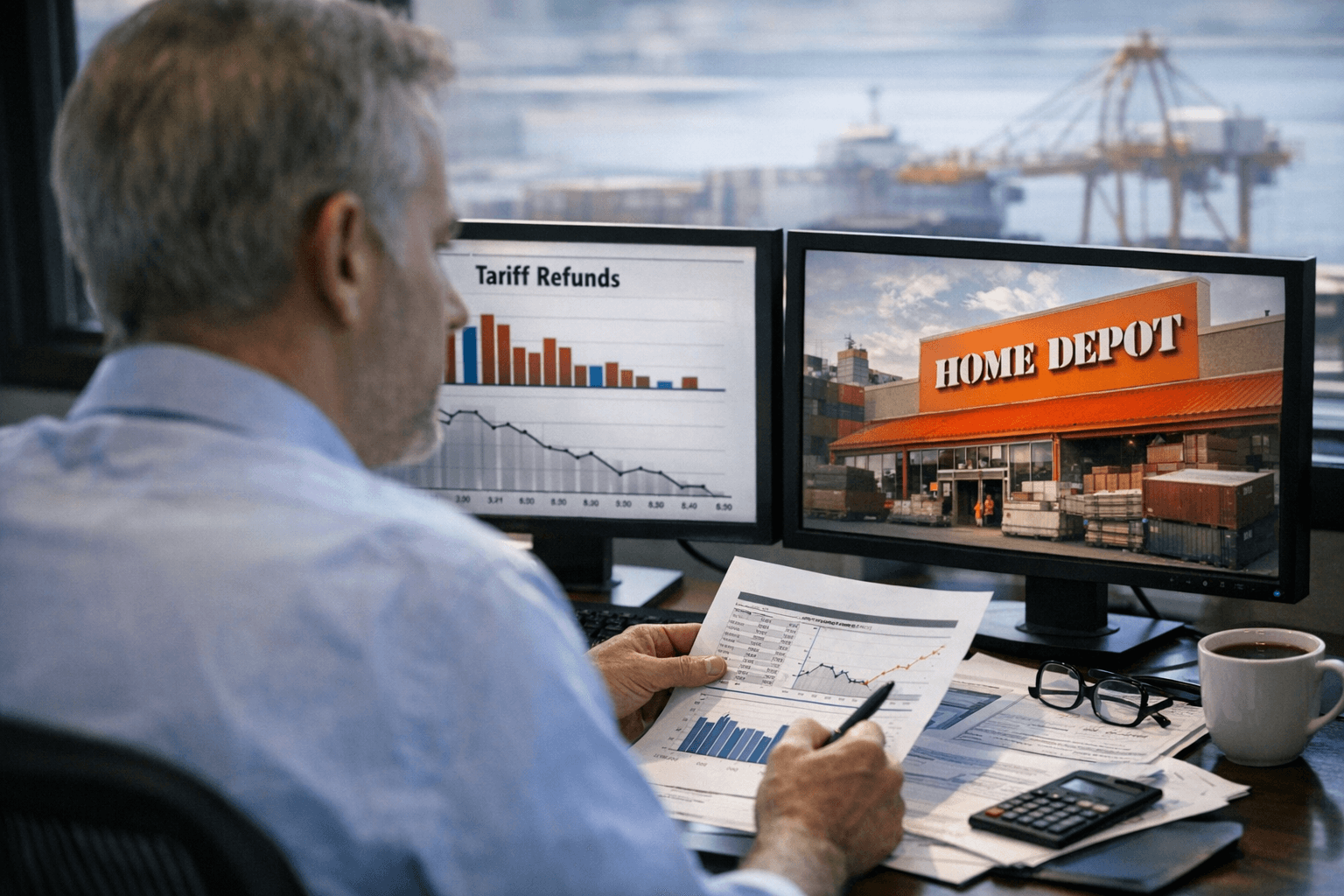
Tariff refunds could ease Home Depot pricing pressure, but not overnight
A refund check from Washington would not land in the aisle first. At Home Depot, the first sign would more likely be a quieter week of price changes, a little more room to protect margin on imported goods, and maybe a little more flexibility on promos when seasonal traffic spikes. More than $160 billion in tariff refunds is on the table for U.S. importers, but the money is going through a claims system, not appearing as an automatic windfall.
Why this matters to Home Depot teams
Home Depot is not a generic retailer with a few imported side items. The company says it is the world’s largest home improvement retailer, and its business runs through a wide assortment of building materials, lawn and garden goods, décor, and facilities maintenance and repair products. Its customers are also heavily pro-facing, including general contractors, remodelers, maintenance professionals, handymen and specialty tradespeople, so small cost changes can ripple quickly through contractor orders, attachment sales and shelf pricing in high-volume categories.
That is why tariff relief matters operationally, not just financially. Home Depot also says it centrally forecasts and replenishes most store products through inventory systems and relies on distribution centers to serve stores and customers. In practice, that means landed cost changes feed into replenishment plans, promotional calendars and the pace of price resets long before shoppers notice anything in the app or on the shelf tag.
What the refund process actually changes
The tariff refunds in play are tied to duties paid under the International Emergency Economic Powers Act. U.S. Customs and Border Protection says validated refunds will be processed through its new CAPE tool, that filings go through the ACE Secure Data Portal, and that refunds are paid electronically through ACH. CBP also says only the importer or authorized customs broker can submit the declaration, and the agency will roll the system out in phases.
That sequence matters for store teams because it explains why pricing relief would lag the headline. A refund does not automatically translate into lower shelf prices. Before any associate sees a change, the company has to file, validate, reconcile and actually receive the money, then finance, merchandising and merchant teams have to decide how to use it. In other words, the first operational effect is likely to be internal breathing room, not a sudden across-the-board markdown.
Where associates could feel the effect first
The earliest impact would probably show up in the day-to-day work of department leads and store managers. A high-volume imported item could stop getting repriced as often, a vendor pack change might be handled with a little less urgency, or a promo could stay live longer because leadership has more confidence in the margin behind it. That is the practical version of tariff relief: fewer pricing headaches, less emergency adjustment work, and more room to keep traffic-moving items competitive.
If the refunds are meaningful enough, associates could also see indirect benefits during the busier selling periods. Corporate teams may choose to redirect part of the savings toward advertising, labor hours or inventory support, especially in seasonal and contractor-driven aisles where product turns are fast and price sensitivity is high. If the money is used instead to absorb freight or repair margin, the floor may not see a dramatic shift at all, which is why the immediate takeaway is caution, not celebration.
A useful way to watch it on the floor is to look for three signals:
- fewer back-to-back price edits on imported merchandise
- more stable shelf tags in categories with heavy overseas sourcing
- a little more promo flexibility when merchants need to protect traffic without giving away margin
What has to happen before customers notice anything
Customers will not feel the refund until several things happen in order. The claims have to be submitted, the portal has to validate the entries, bank information has to be on file, and the money has to actually move through the system. Only after that would Home Depot leadership have enough room to decide whether to pass savings into price cuts, use them to hold the line on key imported items, or reinvest them in labor and promotional support.
That is why the realistic near-term takeaway for associates is simple: watch imported categories, not headlines. In a business built around trades knowledge, seasonal rushes and constant replenishment, tariff relief shows up first as operational flexibility. If the refunds come through smoothly, they can ease pressure on margins and make pricing less brittle. If they stall, the pressure stays on the shelf tag, and the store keeps doing what it has already been doing, managing every basis point of cost one product line at a time.
This article was produced by Prism’s automated news system from verified source data, official records, and press releases, then run through automated quality and moderation checks before publishing. The system is built and supervised by the people who set the standards it runs under. Read our full AI policy.
Did this article answer your question?