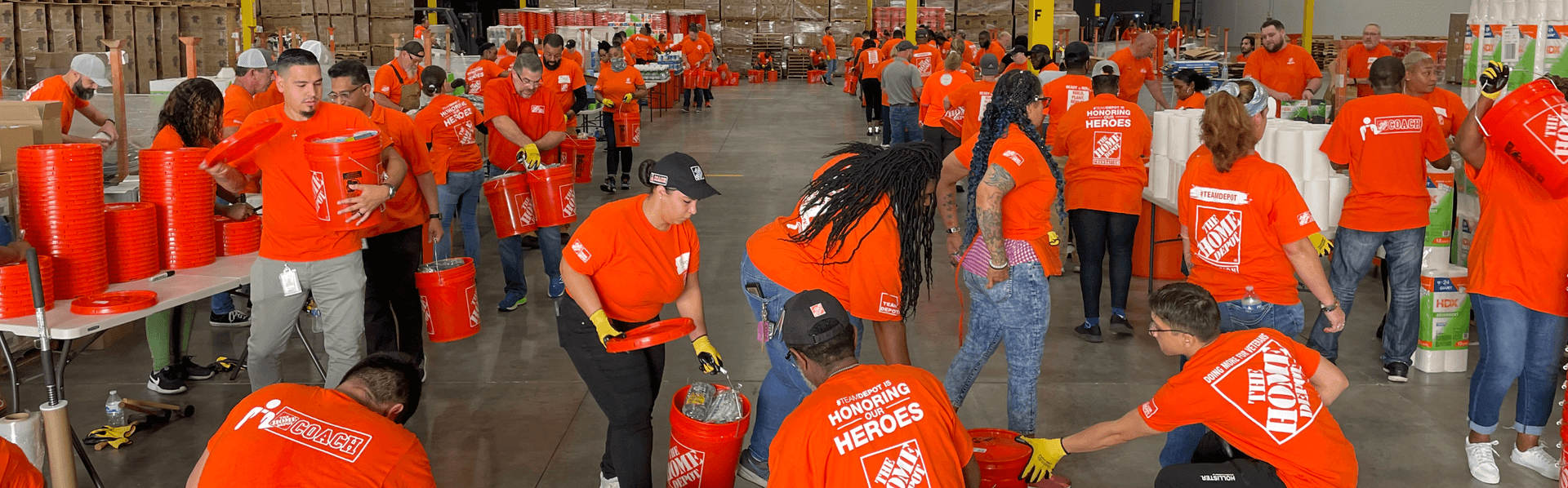
Home Depot associates build trade knowledge to guide smarter customer sales
A leak or wiring mismatch is where Home Depot associates win trust: ask better questions, catch risk early, and hand off before a wrong sale becomes a problem.
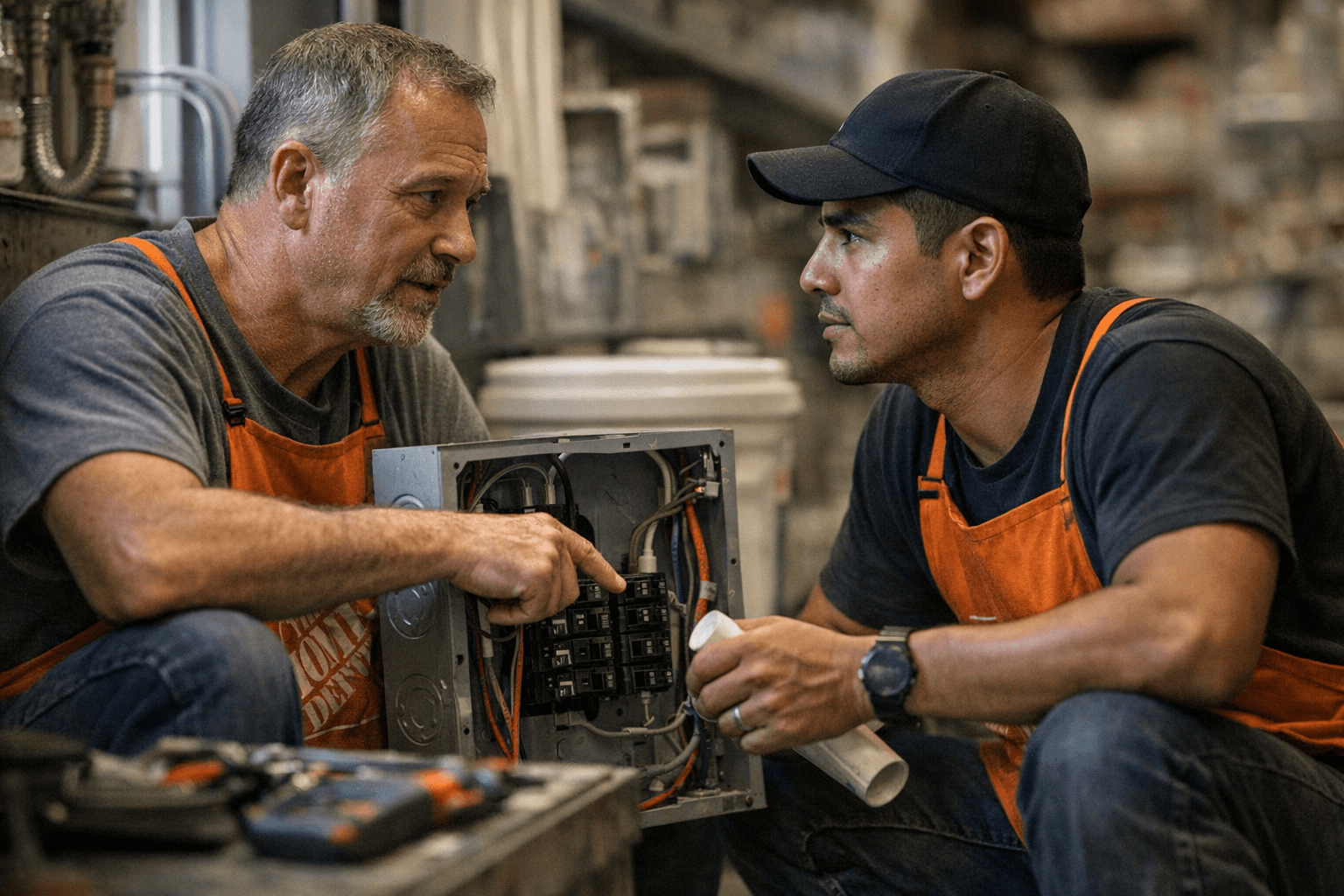
Trade knowledge changes the sale
A plumbing leak or an electrical mismatch is not the moment to bluff. The strongest Home Depot associates do not try to sound like licensed tradespeople, they slow the sale down just enough to ask the questions that keep a customer moving in the right direction: What are you building? What does the old part look like? What measurement do you already have? Is this a repair or a replacement? Are you matching an existing finish, size, or rating?
That approach turns a transaction into a useful conversation. It also makes the associate more credible than someone who rattles off product names without understanding the job. The goal is not to know every SKU from memory. The goal is to know enough to spot risk, narrow the search fast, and recognize when the customer needs a specialist.
The best associates start with the problem
In trade categories, the problem usually tells you more than the product request. A customer asking for a pipe fitting may really need help identifying the leak point. Someone in electrical may need a part that matches load, not just shape. A flooring buyer may be hiding a long list of add-ons, and a paint customer may not realize the finish or prep work will change the whole project.
That is why category fluency matters. Associates who learn the common failure points in each department can separate a quick fix from a likely return. In plumbing, that means knowing what usually causes leaks. In electrical, it means understanding which parts must match the load. In paint and flooring, it means recognizing where hidden costs or accessories tend to appear. In tools, it means remembering the accessories buyers often forget until the last minute.
The customer remembers the associate who saved them from the wrong purchase. That kind of trust is often worth more than perfect product recall.
What smart questions sound like on the floor
A good sales conversation in a trade aisle is practical, not theatrical. It should feel like a checklist built around the job, not a performance built around confidence. The right questions make it easier to protect the customer and easier to protect the store from returns, frustration, and wasted time.
A useful pattern looks like this:
- Ask what the project is, repair or replacement
- Ask what the old part looks like
- Ask for measurements already taken
- Ask whether the customer is matching size, finish, or rating
- Ask what the next step is if the part does not fit
Those questions do two things at once. They help the associate land on the right item faster, and they create a natural moment to hand off when the project reaches the edge of the associate’s knowledge. That honesty is not a weakness. It is part of the service.
Home Depot has explicitly told applicants that training is meant to make associates “experts in the aisle,” and it has also urged them to be honest about what they know and what they do not. That is a practical service rule, not a slogan. On the sales floor, the person who can say, “I want to make sure you get the right part, let me bring in someone who works this category every day,” often does more for the customer than the person who guesses.

Trade knowledge also changes merchandising
For department leads, trade fluency is not just about better conversations. It makes the store easier to shop. If the team knows what installers, pros, and repeat DIY customers ask for most often, you can keep those items closer, cleaner, and easier to find. That matters in a place where on-shelf availability shapes the customer experience as much as product knowledge does.
Home Depot says knowledgeable associates and on-shelf availability are critical to the store experience. The company also says it is empowering associates to drive sales by enhancing training and product knowledge, optimizing processes, simplifying tasks, and leveraging technology. In practice, that means the floor has to work like a system: the right items in the right place, with associates who understand why those items matter.
This is where merchandising and service meet. A store that is organized around real project flow helps associates answer better, helps pros move faster, and helps DIY customers avoid costly mistakes.
Technology is becoming part of the trade skill set
Home Depot is not asking associates to choose between human know-how and digital tools. It is pairing them. The company says associates use web-enabled handheld hdPhone devices to query inventory, access customer-service applications, and help locate products. That matters because the associate who knows the category and can check stock or track down an item is doing two jobs at once: solving the customer’s problem and reducing dead time on the floor.
The larger message is clear. Home Depot says its stores remain the core of the business, and it plans to keep investing in associates and the store experience. Technology is part of that investment, but it works best when it supports judgment rather than replacing it. A handheld can tell you where an item is. Trade knowledge tells you whether that item is the right one.
There is also a bigger operational signal here. Home Depot has been pushing digital tools deeper into customer support and project help, which shows how much the company values speed, accuracy, and fewer handoffs for the customer. The best associates are the ones who can use those tools without losing the human part of the sale.
Why this matters at Home Depot’s scale
This is not a niche skill inside a small chain. Home Depot says it operates more than 2,300 stores across the United States, Canada, and Mexico, with roughly 500,000 associates. The company was founded in 1978 and describes itself as the world’s largest home improvement specialty retailer. At that scale, a small improvement in how one associate diagnoses a plumbing issue or explains an electrical question can ripple across thousands of customer interactions.
That scale also explains why Home Depot cares so much about consistency. The company sells to both pros and DIY customers, which makes practical trade fluency especially valuable. Pros expect speed and accuracy. DIY customers often need help translating a project into parts, tools, and steps. The associate who can bridge those two worlds becomes part translator, part safeguard, and part guide.
The real lesson is simple: the best Home Depot associates do not pretend to know everything. They know how to ask, how to check, how to spot trouble, and how to hand off before a wrong answer becomes a wrong purchase. On a sales floor built around projects, that is what expertise looks like.
This article was produced by Prism’s automated news system from verified source data, official records, and press releases, then run through automated quality and moderation checks before publishing. The system is built and supervised by the people who set the standards it runs under. Read our full AI policy.
Did this article answer your question?