Home Depot associates face smaller, necessity-driven home improvement projects
Shoppers are coming in with smaller, need-it-now projects, and that changes the associate's job fast. The winning move is helping customers finish a repair, not sell a remodel.
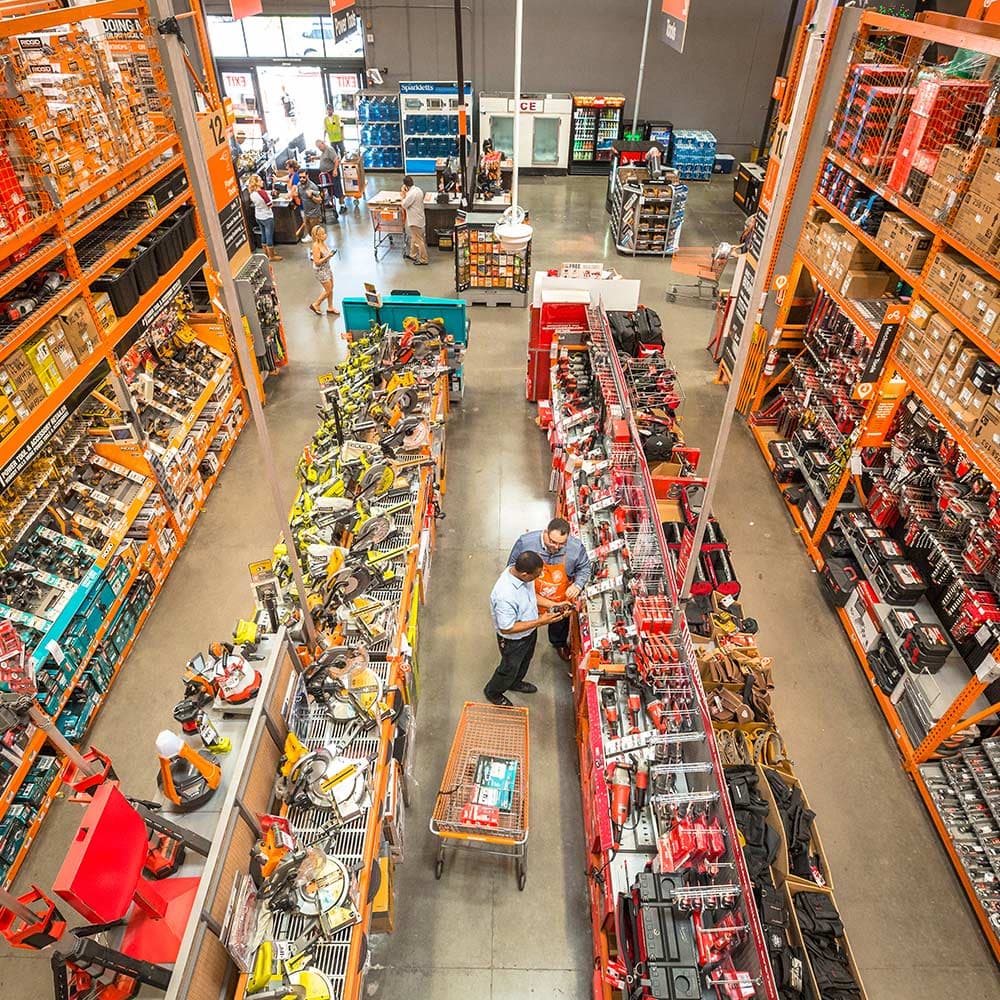
Home Depot associates are seeing a quieter kind of demand, and it is changing the conversation aisle by aisle. The Home Improvement Research Institute’s June 2026 update points to fewer households taking on home projects, narrower scopes, and a clear tilt toward necessity-driven repairs instead of big, multi-phase remodels. That is not just a macro trend. On the floor, it changes what customers ask first, what they are willing to spend on, and which associates are best positioned to win the interaction.
What smaller demand looks like in the store
When projects shrink, customer intent gets sharper. Instead of opening with a dream list for a kitchen, bath, or whole-room refresh, shoppers are more likely to arrive with one broken thing, one urgent fix, or one budget ceiling they refuse to cross. That means the opening question is less often “What else should I buy?” and more often “What is the minimum I need to get this done today?”
For associates, that makes product knowledge more important at the entry point. A customer working on a leaky faucet, a failing appliance hookup, damaged trim, or a patch job is not looking for a full redesign. They want the right gasket, valve, fastener, sealant, or replacement part, and they want it fast enough to avoid a second trip. The associate who can quickly narrow the basket to essentials becomes more valuable than the one who keeps pushing a bigger project.
That shift also changes the tone on the floor. In a market where shoppers are trimming scope, a good interaction is often less about aspiration and more about triage. Customers want help deciding what can be fixed now, what can wait, and which version of a product gets them back to work without overspending.
What to listen for in customer questions
The HIRI update gives associates a useful vocabulary for what they are hearing: fewer households engaging, tighter project scopes, and more necessity-driven work. Those are not abstract terms. They show up in questions that sound like budget checks and timing checks at the same time.
Expect more of these conversations:
- “What is the cheapest way to make this work without redoing everything?”
- “Can I buy the part I need now and come back later for the rest?”
- “Is there a better option if I want this to last, but I do not want to overbuy?”
- “What can I wait on if I only have time and money for the repair today?”
Those questions signal that the customer is not shopping a broad renovation. They are making a near-term decision under pressure. The associate who recognizes that pattern can steer them toward the right product tier instead of overwhelming them with options that belong in a different budget bracket.
That matters because the wrong recommendation can kill the sale. If a customer is trying to solve a problem with a repair-and-replace mindset, a big, premium, multi-step answer may feel disconnected from reality. The better move is to match the scope to the job, then explain what tradeoffs they are making if they choose a lower or higher tier.
Why value and inventory matter more now
The June materials also point to a slower start to 2026, which means stores cannot assume demand will fill itself in the way it sometimes does during stronger project cycles. In that kind of market, value and availability matter more because customers are already editing their plans before they reach the register. If the item they want is out of stock, too expensive, or bundled in a way that feels like overkill, they are far more likely to walk.
That makes inventory discipline a sales tool, not just an operational one. Associates who know what is on hand, what is nearby, and what alternative tier is acceptable can protect a sale that would otherwise disappear. The right substitution can keep a repair moving without forcing the shopper into a second store stop or a project delay.
It also puts more weight on helping customers make the order easy. A smaller project still has friction points: missing connectors, incompatible parts, unclear measurements, and last-minute add-ons. The best service now is often the one that reduces those friction points before the customer gets to the checkout line.
What this means for Pro and contractor conversations
HIRI says contractors remain cautiously optimistic, even with affordability and tariff concerns hanging over the market. That is a meaningful signal for Home Depot teams because Pro customers still need dependable inventory, accurate guidance, and realistic job planning, even when end customers are more selective. The contractor who is protecting margin is not looking for a philosophical discussion about the market. They are looking for dependable fulfillment.
For associates, that means faster, tighter, and more practical support. Pro customers are likely to care about whether the right material is in stock, whether the product tier matches the job spec, and whether they can get in and out without wasting labor time. If the end customer is trimming project scope, the contractor still has to keep the job moving, protect the estimate, and avoid buying more than the work requires.
That is where the store-level advantage lives. The associate who can help a contractor substitute smartly, keep the order within budget, and avoid rework is not just making a sale. They are helping preserve the economics of the job.
How teams can respond right now
The opportunity in this softer, necessity-driven market is not to push harder. It is to be sharper. Stores that do best will be the ones that help customers finish jobs instead of starting a bigger one they cannot complete.
That means a few habits matter more than usual:
- Start by identifying the true repair, not the aspirational project.
- Steer customers toward durable essentials when a lower-cost fix would only create another trip later.
- Know the difference between a good temporary solution and a false economy.
- Use inventory awareness to avoid promising products or tiers that are not actually available.
- For Pro customers, keep the conversation tied to speed, margin, and job completion.
The bigger lesson from HIRI’s June update is that demand is not disappearing. It is getting more selective. Customers are still trying to make their homes work better, but they are doing it one problem at a time, with more caution and less appetite for scope creep. The associates who recognize that shift will be the ones who turn a smaller basket into a completed job, and that is where the floor still wins.
This article was produced by Prism’s automated news system from verified source data, official records, and press releases, then run through automated quality and moderation checks before publishing. The system is built and supervised by the people who set the standards it runs under. Read our full AI policy.
Did this article answer your question?